

Budget progressive overload is the backbone of any muscle‑building program. Without it, you’ll hit a plateau and the gym will feel like a dead end. But what does it really mean, and how can a beginner on a budget keep pushing forward? In this post we’ll break down the science, show you how to apply it without breaking the bank, and give you a step‑by‑step plan that works whether you’re lifting at a full‑service gym or at home with a set of dumbbells.

What Is Budget Progressive Overload?
Think of your muscles like a muscle‑training machine that gets stronger when you turn the dial a little higher each time. Progressive overload is simply the idea that to build muscle, you must continually increase the demands placed on the muscle fibers. This can happen in several ways:
- Adding weight – The most obvious method. If you can lift 100 lb for 10 reps, try 105 lb next week.
- Increasing reps or sets – Push the same weight for more repetitions or add an extra set.
- Reducing rest time – Shorter pauses between sets increase intensity.
- Changing exercise tempo – Slower eccentric phases or pause reps add time under tension.
- Improving technique or range of motion – A deeper squat or a tighter lockout increases the challenge.
Every one of these adjustments forces the muscle to adapt, creating new fibers and increasing strength. The key is to make the change small enough that you can still complete the set with good form, but large enough to feel the strain.
Why Budget Progressive Overload Doesn’t Mean “Skip Progression”
Many new lifters think that expensive equipment or premium supplements are required to keep the overload engine running. That’s a myth. The principle works with bodyweight, a barbell, or a set of inexpensive dumbbells. What matters is consistency and intentionality. By focusing on budget progressive overload, you can continue to make gains even with limited equipment. Here’s how to keep the overload machine humming without a pricey gym membership. For more guidance, check out these beginner workout tips.
- Start with a solid baseline – Record the maximum weight you can lift for a given exercise with 8–12 reps. This becomes your reference point.
- Use the “2% rule” – When you can complete all sets and reps comfortably, increase the load by roughly 2% (or 2–5 lb for larger lifts). This is a minimal bump that’s easy to manage on a budget.
- Track everything – A simple spreadsheet or a free app like Google Sheets keeps you accountable and lets you see the incremental gains.
- Leverage free or low‑cost equipment – A sturdy bench, a pair of adjustable dumbbells, and a barbell with a set of plates can cover most compound movements.
- Use bodyweight tricks – Handstand push‑ups, pistol squats, and weighted dips are powerful overload tools when you can’t add plates.
Remember, the goal is to create a stimulus that the muscle can’t ignore. Even a small, consistent bump adds up over weeks and months.
Building a Practical Overload Plan for Beginners
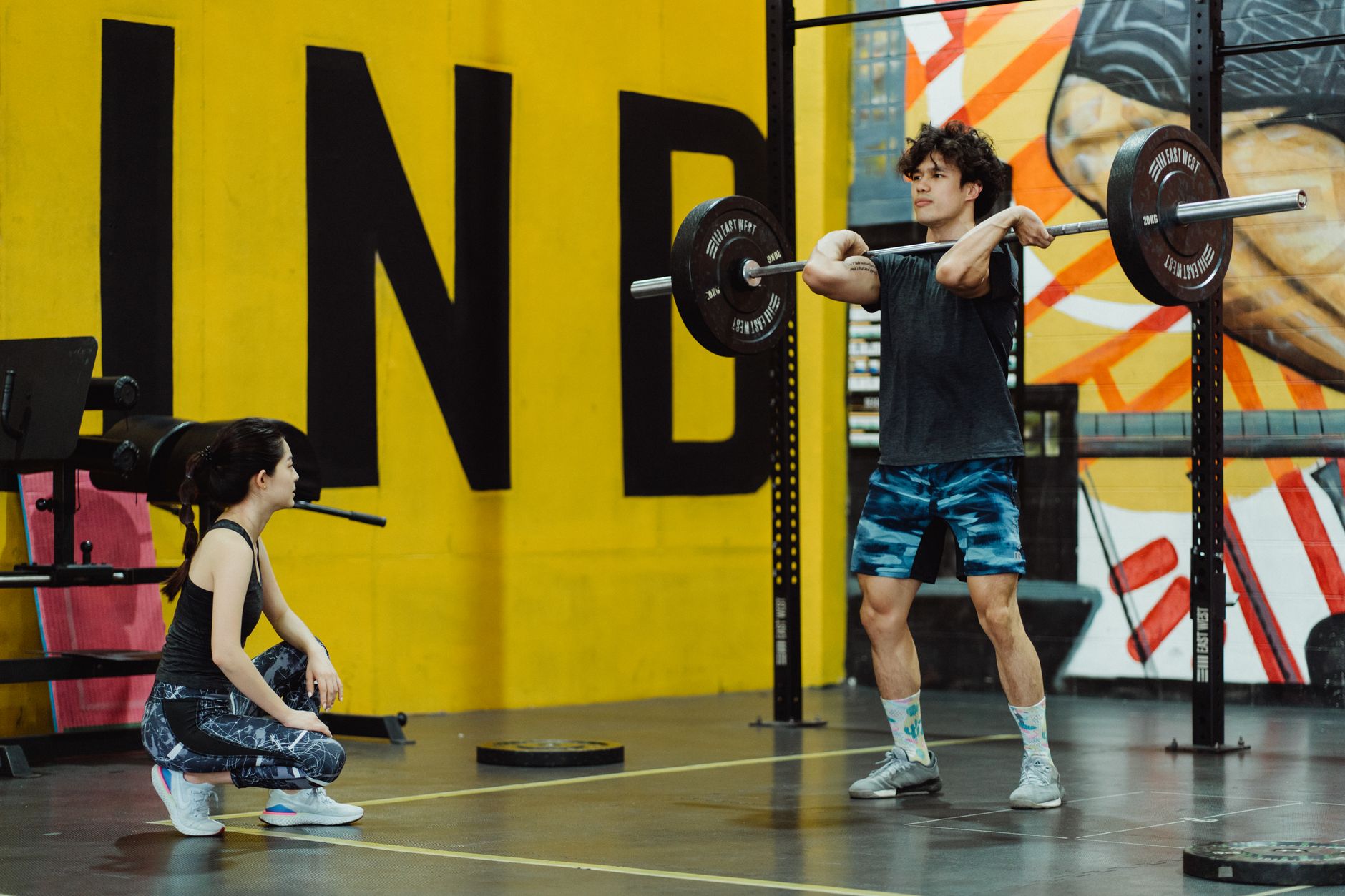
Below is a 12‑week framework that applies progressive overload to a three‑day split. Feel free to swap days or exercises based on your gym’s equipment. The plan is designed to be affordable and easy to track.
Week 1–4: Foundation Phase
Focus on form and establishing a baseline. Perform each exercise for 3 sets of 8–10 reps, resting 90 seconds between sets.
- Squat (barbell or goblet)
- Bench press or push‑up
- Bent‑over row
- Overhead press
- Pull‑up or lat pulldown (use a resistance band if needed)
- Plank (3 × 30 s)
After each workout, jot down the heaviest weight you could lift for the final set. This will be your starting point for overload.
Week 5–8: Incremental Load Phase
Now that you’ve got a baseline, add 2–5 lb to each lift every week, as long as you can finish the set with good form. If you can’t hit the target weight, drop back to the previous week’s load and try again next week.
- Keep sets and reps the same.
- Track your rest times; try to reduce them by 5 seconds each week.
- Introduce a pause at the bottom of each rep for 1–2 seconds to increase time under tension.
Week 9–12: Volume & Intensity Mix
At this point, the muscle has adapted. Increase volume by adding a fourth set to each exercise and/or bump the rep range to 12–15. If you’re using a barbell, add a small plate or two. If you’re using bodyweight, incorporate a weighted vest or backpack.
- Example: 4 sets of 12 reps for squats, with a 5‑lb increase each week.
- Alternate between “heavy” days (low reps, higher weight) and “light” days (high reps, lower weight) to keep the stimulus varied.
- Include a deload week (light weights, 50% volume) after week 12 to let the body recover.
Throughout this period, keep a simple log. Note weight, reps, rest time, and how you felt. This data is your roadmap for continued progression.

Common Mistakes That Stall Progress
Even the best plans can fail if you fall into these pitfalls:
- Skipping warm‑ups – A proper warm‑up primes the muscles and reduces injury risk. Spend 5–10 minutes on light cardio and dynamic stretches.
- Neglecting form for weight – A heavier load with bad form does more harm than good. Always prioritize technique.
- Not tracking progress – Without a log, you’ll be guessing. Small, consistent gains are easy to miss without data.
- Overtraining – If you’re sore and not recovering, you’re pushing too hard. Rest is where growth happens.
- Relying solely on one progression method
To stay on track, set a weekly “review” where you assess whether you’re hitting your targets and adjust accordingly.
Budget‑Friendly Ways to Add Overload
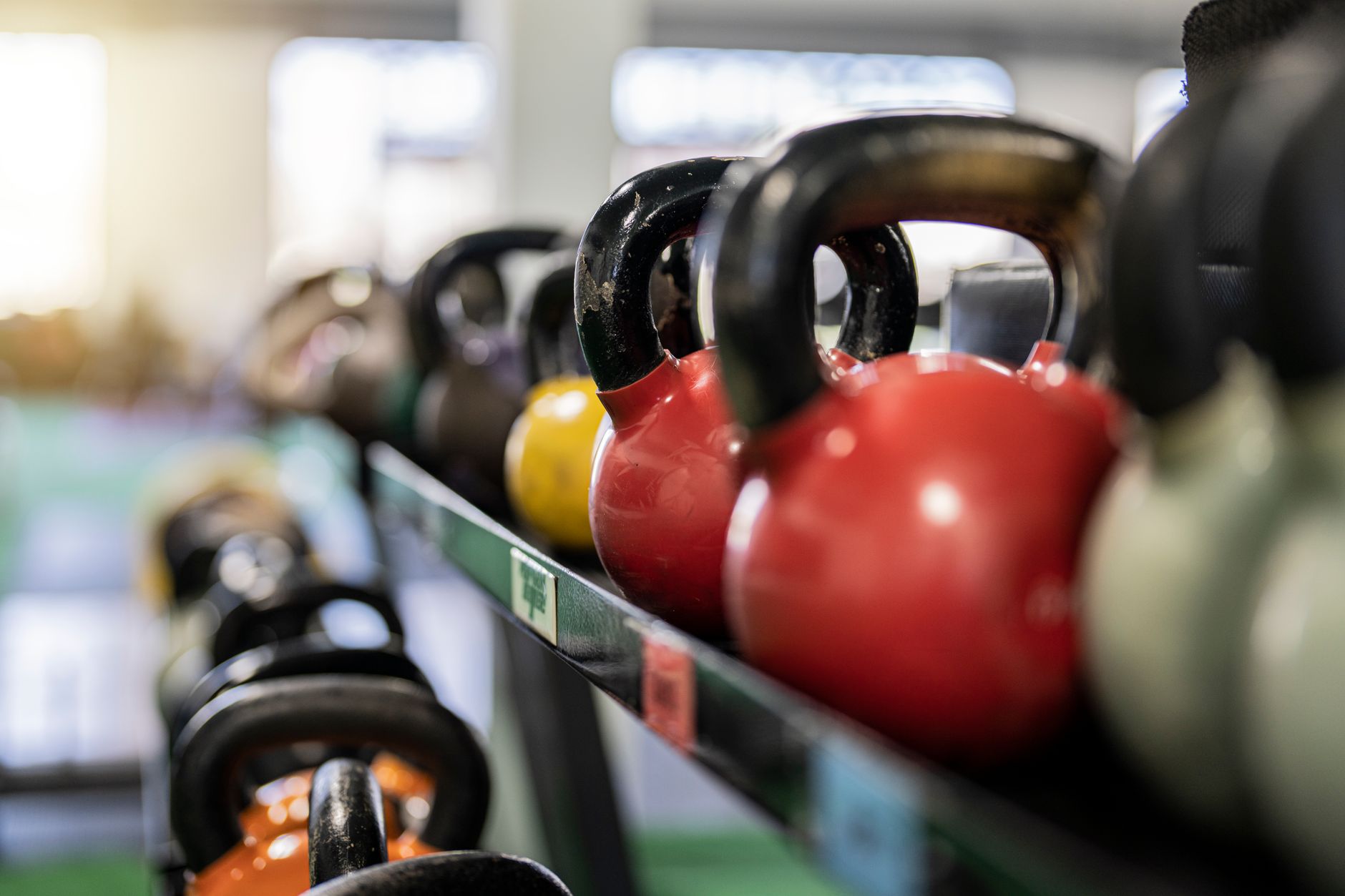
When you hit a plateau, you might think you need a new machine. That’s not true. Here are inexpensive or DIY options to keep the overload coming:
- Sandbag training – Fill a sturdy bag with sand or water bottles. It’s cheap, adjustable, and great for squats and deadlifts.
- Weighted backpack – Load it with books or canned goods for pull‑ups, rows, and