
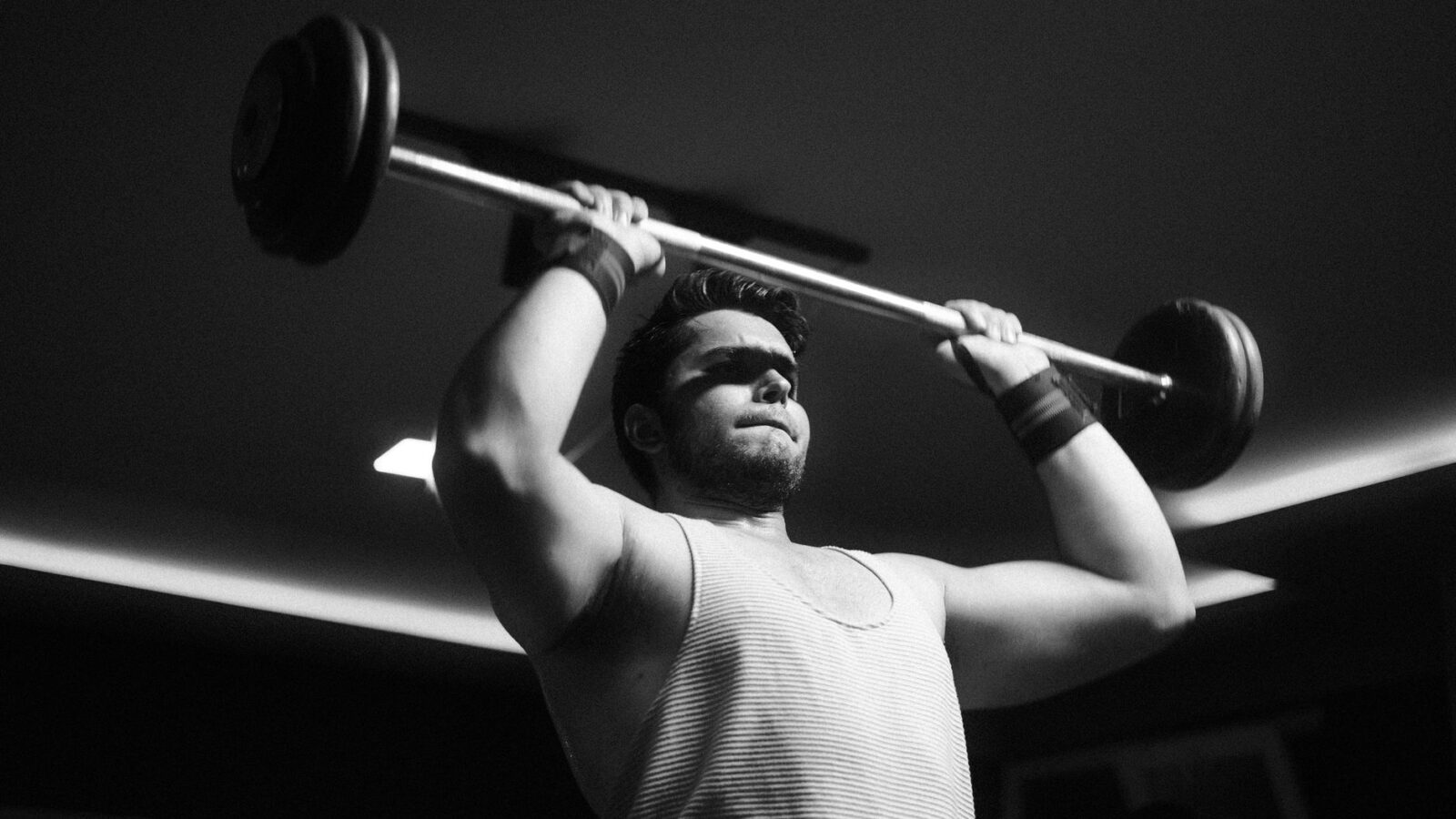
Choosing a budget training split can feel like picking a brand of protein powder—there are a dozen options, each promising a different path to muscle gains. But for most people, the decision comes down to two clear choices: a push‑pull‑legs split or a full‑body routine. Both can build strength and size, yet they differ in frequency, volume, and recovery demands. If you’re just getting into the gym, or you’re juggling workouts with a tight schedule or a limited budget, understanding which split fits your lifestyle is essential.
A budget training split helps you maximize results while keeping costs low.
In this post we’ll break down the mechanics of each split, compare how they affect muscle growth, and give you a concrete plan to try. By the end, you’ll know whether a three‑day full‑body routine or a three‑to‑four‑day push‑pull‑legs schedule is the right fit for you.

Understanding the Basics of a Budget Training Split: Push‑Pull‑Legs and Full‑Body
Before we dive into the pros and cons, let’s define the two most common training frameworks.
- Push‑Pull‑Legs (PPL) separates movements by muscle groups: push (chest, shoulders, triceps), pull (back, biceps), and legs (quads, hamstrings, glutes, calves). A typical PPL schedule runs 3–6 days per week, repeating each block once or twice per cycle.
- Full‑Body (FB) works the entire musculature in each session. Most beginners use a 3‑day per week model, hitting all major groups with a moderate volume.
Both splits aim to hit each muscle group 2–3 times per week. The difference lies in how often you train a specific area and how much work you can fit into a single session.
When you’re on a budget, the split you choose—your budget training split—can also affect equipment needs. PPL often requires more variety of lifts (e.g., separate bench press and overhead press days), while FB can be executed with a minimal set of compound movements—great if you’re using a home gym or a single power rack.
When to Choose a Budget Training Split: Push‑Pull‑Legs Benefits
If you can hit the gym 4–6 times a week, PPL is a solid choice. Because each workout focuses on a specific group, you can give each muscle more volume and intensity without overloading a single session.
Here’s a simple 3‑day PPL schedule that works well for a budget gym:
- Day 1 – Push: Bench press, overhead press, dumbbell lateral raises, tricep dips or pushdowns.
- Day 2 – Pull: Pull‑ups or lat pulldowns, barbell rows, face pulls, hammer curls.
- Day 3 – Legs: Squats or goblet squats, Romanian deadlifts, lunges, calf raises.
Repeat the cycle twice for a 6‑day week, or skip a day and rotate for 4‑day weeks. Because each muscle group is isolated, you can add more sets or heavier weights without compromising recovery.
Benefits of PPL on a budget:
- High frequency for each muscle group, which research shows can boost hypertrophy.
- Allows you to use heavier loads on compound lifts, maximizing strength gains.
- Can be tailored to the equipment you have; you can swap a barbell for a dumbbell set if needed.
However, PPL demands a decent amount of time in the gym each session—often 45–60 minutes. If you’re short on time or only can hit the gym twice a week, a full‑body routine might be more practical.
When to Choose Full‑Body: Ideal Scenarios and Benefits
Full‑body workouts are a favorite among people who can’t commit to frequent gym visits. They’re also great for beginners because they keep the nervous system engaged and provide a balanced stimulus.
A 3‑day per week full‑body template could look like this:
- Day 1 – Compound Focus: Squat (or goblet squat), bench press, bent‑over row, overhead press, barbell curl.
- Day 2 – Mixed Movement: Deadlift or Romanian deadlift, pull‑ups, dumbbell press, tricep pushdown, calf raise.
- Day 3 – Functional & Core: Front squat or split squat, dumbbell bench press, inverted row, plank variations, farmer’s walk.
Each session hits all major groups, but with moderate volume—usually 3–4 sets per exercise. This approach keeps your total weekly volume high enough for growth while allowing ample recovery.
Benefits of a full‑body split on a budget:
- Fewer total workouts per week, meaning less travel time and fewer missed sessions.
- Less need for multiple equipment sets; a single barbell and a few dumbbells can cover most lifts.
- Great for building a solid foundation of strength before moving to more specialized splits.
Because you’re working each muscle more often, you may find it easier to see progress if you’re new to lifting or if you’re constrained by a tight schedule.
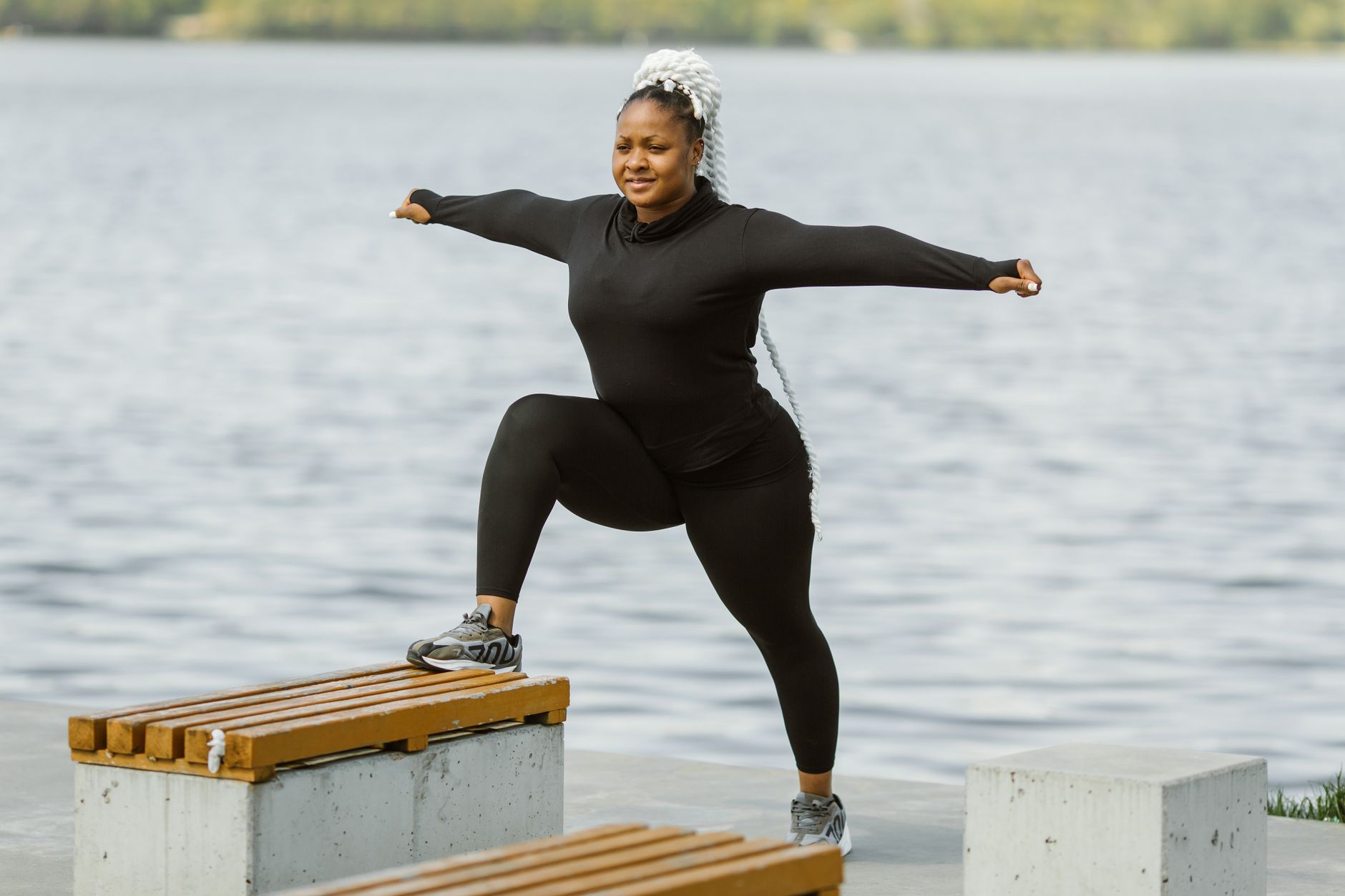
Comparing Outcomes: Muscle Growth, Strength, and Fatigue
Both splits can produce comparable gains if programmed correctly, but the path they take differs.
Hypertrophy: Studies suggest that training each muscle 2–3 times per week is optimal for growth. Harvard Health notes that frequency plays a key role in hypertrophy. PPL allows you to hit that target with higher volume per session, while full‑body achieves it through more frequent exposure with lower volume per workout. If you’re a beginner, full‑body may stimulate more neural adaptations; if you’re intermediate, PPL can help you push heavier loads.
Strength: PPL’s isolation of movement patterns lets you focus on compound lifts with heavier weights and fewer rest days between sessions. Full‑