
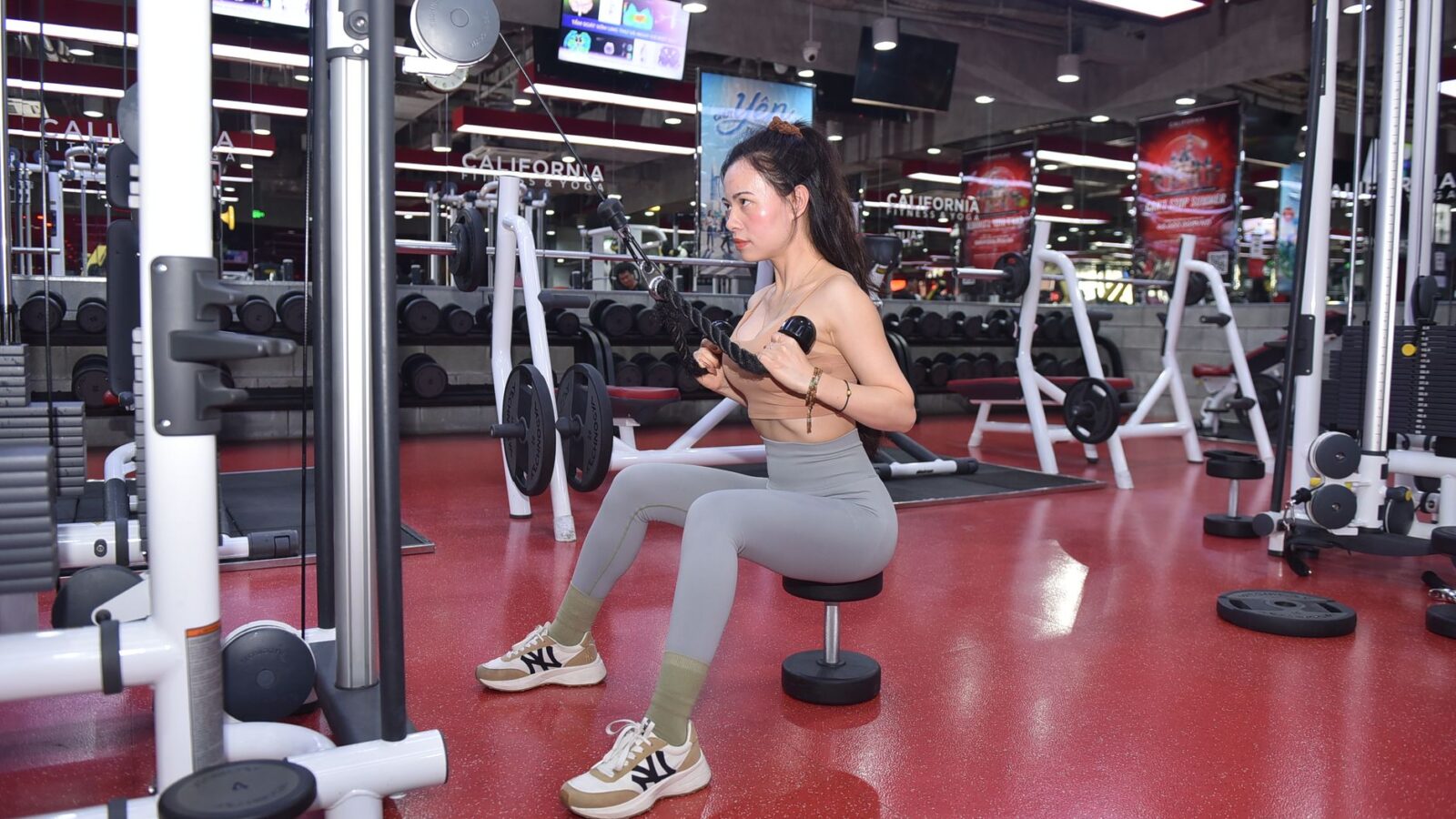
When you’re first stepping into the gym, grip strength training is often overlooked as you eye the big, shiny machines and think about how many reps you can do. But there’s one small, often overlooked factor that can hold you back from lifting heavier, even if you’re hitting your training volume and protein goals. That factor is grip strength. It’s not just about how tight you can hold a bar; it’s a linchpin that connects your body to the equipment and can be the difference between a good lift and a missed rep.
Many beginners and even seasoned lifters fall into the trap of thinking that “I’m strong enough” means I can lift whatever I want. Incorporating regular grip strength training into your routine can dramatically improve your lifts. In reality, the grip is one of the first muscle groups to hit fatigue, especially in exercises that involve a lot of pulling or heavy barbell work. If you’re struggling to finish a set of deadlifts or can’t hold a bar for a full set of bench presses, your grip may be the bottleneck. Understanding how grip strength affects overall lifting performance—and how to improve it on a budget—can unlock new gains without spending a fortune on fancy equipment.
Ready to see how a stronger hand can translate to a stronger body? Let’s dive into the mechanics, the impact on key lifts, and a practical plan that won’t break the bank.

Why Grip Strength Training Is a Performance Bottleneck
When you think about strength, you often picture the big lifts: squats, deadlifts, bench presses. But the grip is the first line of defense that keeps the bar from sliding out of your hands. In many compound movements, the muscles that actually move the weight are not the ones you’re training most intensely. Instead, the forearm flexors and extensors, the wrist, and the tiny stabilizing muscles in the fingers are constantly working to maintain contact. If they’re not strong enough, the lift stops long before your back or chest does.
Consider the deadlift. The bar is heavy, but the real test is how long your hands can hold it before the bar slips. A grip that fails after 50% of the lift means your back and legs never get the chance to fully activate. This is why you’ll see athletes who can deadlift 1,200 pounds with a “dead” grip that’s still weak—they often rely on straps or a thicker bar to compensate, but the underlying issue remains.
Similarly, the bench press may feel like a chest exercise, but if your grip is weak, the bar will start to rotate or slide, forcing you to adjust your hand position mid-rep. This not only reduces the effective load but can also increase the risk of injury. Pull-ups, rows, and even kettlebell swings share the same dependency on a firm grip.