
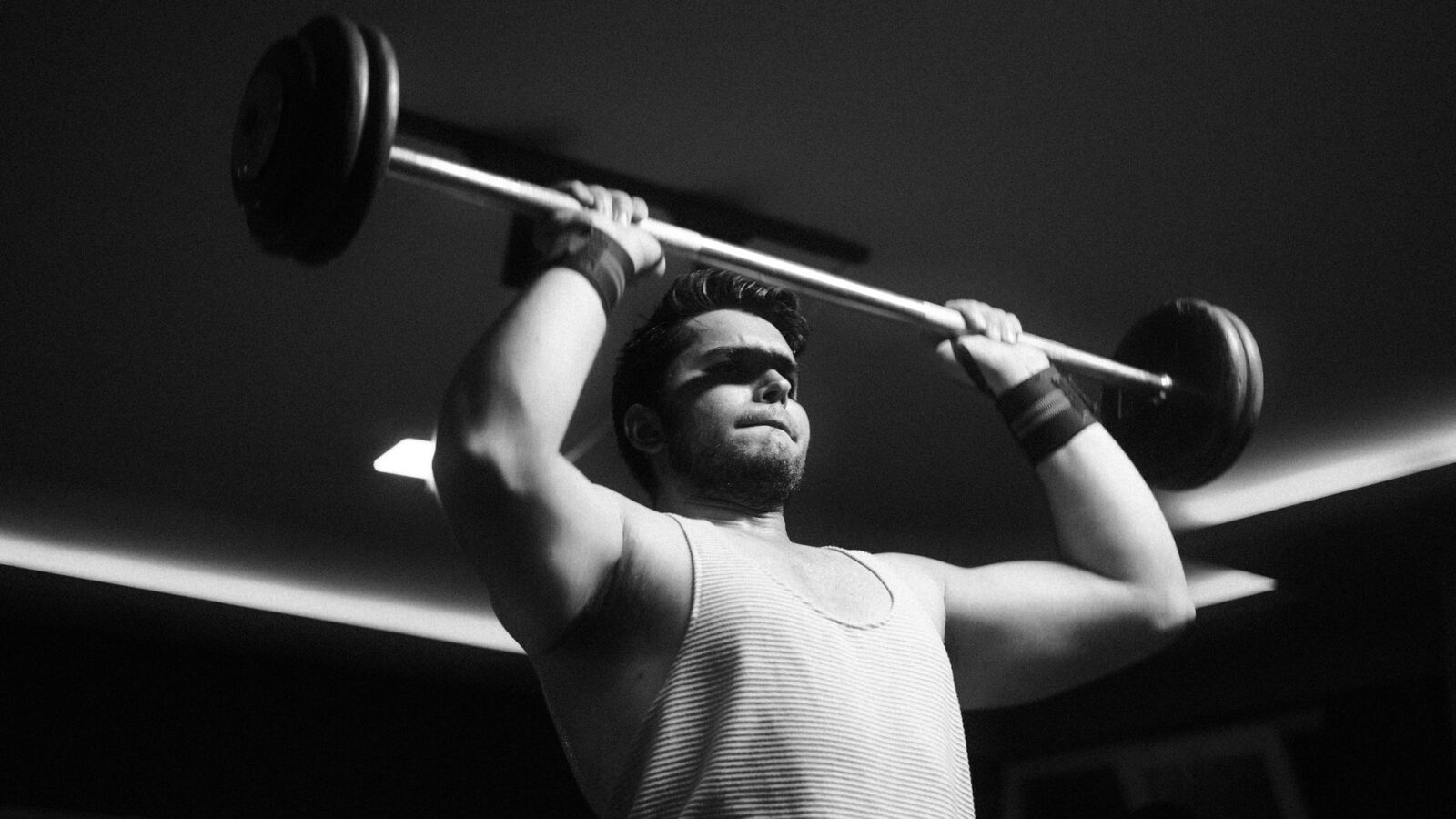
Choosing the Right Workout Split: Push‑Pull‑Legs or Full‑Body?
When you first step into a gym, you might wonder which push pull legs split is right for you. Your eyes scan the equipment, the weight stacks, the treadmill, and you wonder: how do I turn that visual into real muscle? One of the first decisions you’ll face is picking a workout split. Two of the most common options are the Push‑Pull‑Legs (PPL) cycle and the Full‑Body (FB) routine. Both can get you big, strong, and lean, but they’re built on different philosophies. Knowing which one fits your lifestyle, goals, and budget can save you time, money, and frustration.
In this guide, we’ll break down each split, compare the pros and cons, and give you a clear path to decide which one is right for you. Think of this as a chat over a post‑workout protein shake—no fluff, just solid, budget‑friendly advice.

Understanding the Foundations: What Is a Push Pull Legs Split?
Before we dive into the two popular splits, let’s define what a “split” actually is. A workout split is a way to divide your training days so you can hit each muscle group with the right frequency, volume, and intensity. Splits exist to balance recovery and stimulus, especially when you’re working out several times a week.
There are two main categories you’ll hear about:
- Push‑Pull‑Legs (PPL) – separates movements into three groups: pushing muscles (chest, shoulders, triceps), pulling muscles (back, biceps), and legs (quads, hamstrings, glutes, calves).
- Full‑Body (FB) – each workout hits all major muscle groups in a single session, usually 3–4 times a week.
Both can be performed with barbell, dumbbell, or body‑weight movements. The choice comes down to how often you want to train each muscle, how long you have, and how quickly you want to recover.
Push‑Pull‑Legs Split: The Classic Three‑Day Cycle
Push‑Pull‑Legs is a tried‑and‑true split that has been a staple in gyms for decades. It works because it groups movements that share similar primary joints or muscle groups. The typical weekly structure looks like this:
- Monday – Push
- Tuesday – Pull
- Wednesday – Rest or light cardio
- Thursday – Legs
- Friday – Push
- Saturday – Pull
- Sunday – Rest or optional recovery work
This layout lets you train each muscle group twice a week, with a day of rest between sessions that target the same muscles. It’s great for:
- Intermediate lifters who need more volume per muscle.
- Those with a decent amount of time at the gym (45–60 minutes per session).
- People who like to focus on a specific body part each day, so they can spend more time on technique.
The push pull legs split allows you to train each muscle group twice a week, optimizing growth while still providing ample recovery.
Why it’s budget‑friendly
Because each session focuses on a specific set of muscles, you can use the same equipment each time. For example, a bench press bar and a set of dumbbells can serve the Push day, while the same barbell can be used for the Pull and Leg days. You’re not buying a separate set of equipment for each muscle group. If you’re using a public gym or a home gym with a power rack and a few dumbbells, you’re set.
Sample Push Day (30‑45 minutes)
- Barbell bench press – 4 sets x 6–8 reps
- Overhead press – 3 sets x 8–10 reps
- Incline dumbbell fly – 3 sets x 10–12 reps
- Tricep push‑down – 3 sets x 12–15 reps
- Skull crushers – 2 sets x 12 reps
Notice the focus on compound lifts first, followed by isolation work. That structure keeps the session efficient.
Full‑Body: The High‑Frequency, Low‑Volume Approach
Full‑Body workouts have a different vibe. Instead of splitting by muscle group, you hit all major groups in one session. A typical schedule might be:
- Monday – Full‑Body
- Wednesday – Full‑Body
- Friday – Full‑Body
Or, if you’re a busy person, you can add a fourth day, but keep the intensity moderate. This split is especially appealing to:
- Beginners who want to practice form and build a foundation.
- People with limited time or who can’t commit to 5–6 days a week.
- Those who enjoy a quick, total‑body burn each time they hit the gym.
Why it’s budget‑friendly
Because you’re not spending extra time or equipment for separate muscle groups, you can fit the whole workout into a short session. A single set of dumbbells, a barbell, and a bench are enough to cover most exercises. Even a home gym with a single barbell and adjustable plates will do. And if you’re short on equipment, you can swap in body‑weight moves or resistance bands.
For further reading on the benefits of full‑body training, see Harvard Health.
Sample Full‑Body Routine (30‑40 minutes)
- Barbell squat – 4 sets x 8–10 reps
- Bench press – 3 sets x 8–10 reps
- Pull‑ups or lat pull‑downs – 3 sets x 10 reps
- Dumbbell row – 3 sets x 10 reps each side
- Standing calf raise – 3 sets x 15 reps
- Plank – 3 rounds x 60 seconds
This routine hits the core, legs, back, chest, shoulders, and arms in one go.
Key Factors to Compare: Which Split Wins for You?
Let’s break down the main differences that can sway your decision. Each factor is a trade‑off, so consider which matters most for your goals and lifestyle