
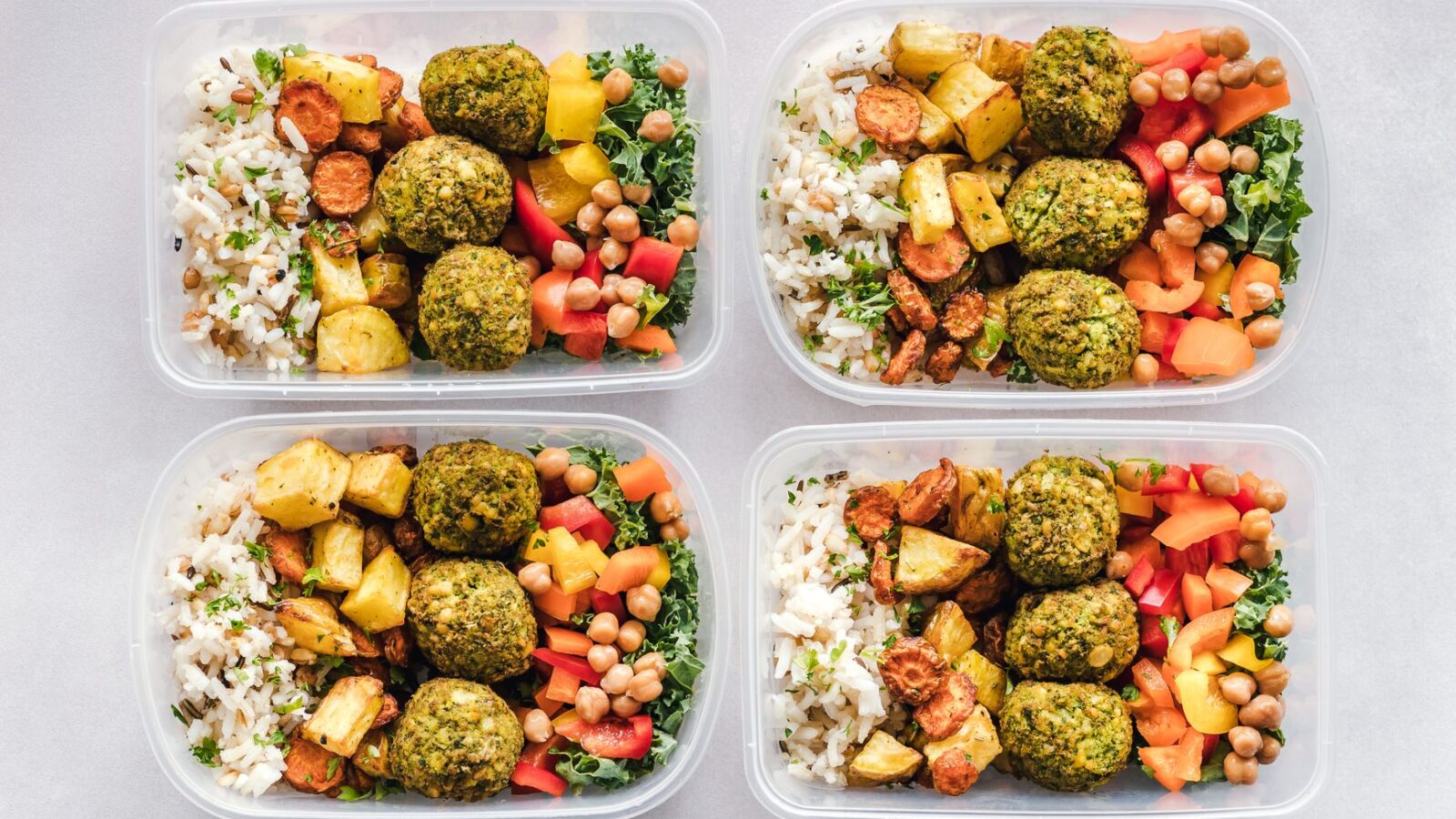
When you’re just starting out on a muscle‑building journey, finding budget protein foods is often the first challenge, alongside the dumbbells, the gym membership, and the “pump” you’ll get from a good workout. But if you want to see real gains, you’re going to need to feed your muscles the right building blocks. That means protein. And for a lot of us, that also means keeping the wallet happy.
Protein is the backbone of muscle repair and growth. Harvard Health notes that adequate protein intake is essential for muscle repair and growth. If you’re training hard but not eating enough of it, your gains will stall. And if you’re hunting for high‑protein foods and you’re on a budget, the options can feel overwhelming. Luckily, there are plenty of affordable foods that pack a punch of quality protein without breaking the bank. Choosing budget protein foods allows you to meet your macros without overspending.
In this post, we’ll dive into the science behind protein for muscle building, break down the best foods you can buy at any grocery store, and give you practical ways to slot them into your meals. We’ll explore how to select budget protein foods that deliver high quality protein while keeping costs low. Think of it as a friendly roadmap from the pantry to the gym.
1. Why Budget Protein Foods Matter for Muscle Growth
Muscles are made of proteins called myofibrils. When you lift weights, you create tiny micro‑tears in those fibers. Protein supplies the amino acids that repair and rebuild them stronger than before. The body’s ability to synthesize new muscle protein is called muscle protein synthesis (MPS), and protein intake is a key trigger for that process.
Daily protein needs vary with age, sex, activity level, and goal. For someone looking to build muscle, a common recommendation is 1.6 to 2.2 grams of protein per kilogram of body weight. That translates to about 0.7 to 1 gram per pound. For a 150‑lb beginner, that’s roughly 105 to 150 grams of protein each day.
But it’s not just the amount that matters. The quality of protein—its amino acid profile—determines how efficiently your body can use it. Animal proteins (meat, dairy, eggs) contain all nine essential amino acids in optimal ratios, making them “complete” proteins. Most plant proteins are missing one or more essential amino acids, but you can combine them to achieve a complete profile.
From a budget perspective, the goal is to get the most protein per dollar while keeping meals interesting and sustainable. That means looking beyond the usual protein supplements and exploring whole foods that can be bought in bulk or on sale.
2. Budget Protein Foods: Whole‑Food Protein Powerhouses
Below is a deeper look at the types of foods that provide high protein without a high price tag. Instead of a list, we’ll focus on categories and give you concrete examples and cost benchmarks. These budget protein foods are not only cheap but also versatile for many recipes. For more ideas, check out our budget-friendly nutrition tips.
Animal‑Based Proteins
Animal proteins are typically the most protein‑dense and convenient. They also tend to have a high biological value, meaning your body can use a large proportion of the protein you consume.
- Chicken breast – A 3‑oz cooked portion delivers about 26 grams of protein. Buying a whole chicken or larger packs of breasts can reduce cost per pound. Look for sales or store brands.
- Ground turkey or beef – 4‑oz cooked gives 22–25 grams. Ground meats are versatile for stir‑fries, tacos, or pasta sauces.
- Eggs – One large egg has 6 grams of protein. They’re cheap, fast to cook, and can be turned into omelets, hard‑boiled snacks, or baked into muffins.
- Greek yogurt – A 6‑oz serving offers around 15 grams. Opt for plain, low‑fat varieties and add fruit or oats for extra calories.
- Canned tuna or salmon – About 20 grams per 3‑oz can. They’re shelf‑stable and great for salads or sandwiches.
Price points vary by region, but generally, buying in bulk or choosing store brands can bring the cost down to under $1 per gram of protein in many cases.
Plant‑Based Proteins
Plant proteins are often cheaper and can be combined to create a complete amino acid profile. They also bring fiber, vitamins, and minerals that help overall health.
- Lentils – One cup cooked provides 18 grams of protein. Lentils are inexpensive, especially when bought dried, and cook quickly in a pot or pressure cooker.
- Black beans – A cup cooked has about 15 grams. Beans can be paired with rice or whole grains for a balanced meal.
- Quinoa – One cup cooked contains 8 grams. While slightly pricier than rice, its complete protein status makes it a worthwhile investment.
- Chickpeas – One cup cooked has 15 grams. Chickpeas can be turned into hummus, roasted snacks, or added to salads.
- Peanut butter – Two tablespoons provide 7–8 grams. Peanut butter is calorie‑dense, which helps if you’re also looking to hit a higher energy intake.
- Tofu – 3‑oz block offers 8–10 grams. Tofu is inexpensive, absorbs flavors well, and can be stir‑fried or baked.
When shopping for plant proteins, buying dried beans, lentils, or bulk grains can save money compared to pre‑packaged or canned versions. Pairing beans with whole grains, like brown rice or whole‑wheat pasta, ensures you hit all essential amino acids.
Dairy & Alternatives
Milk, cheese,