
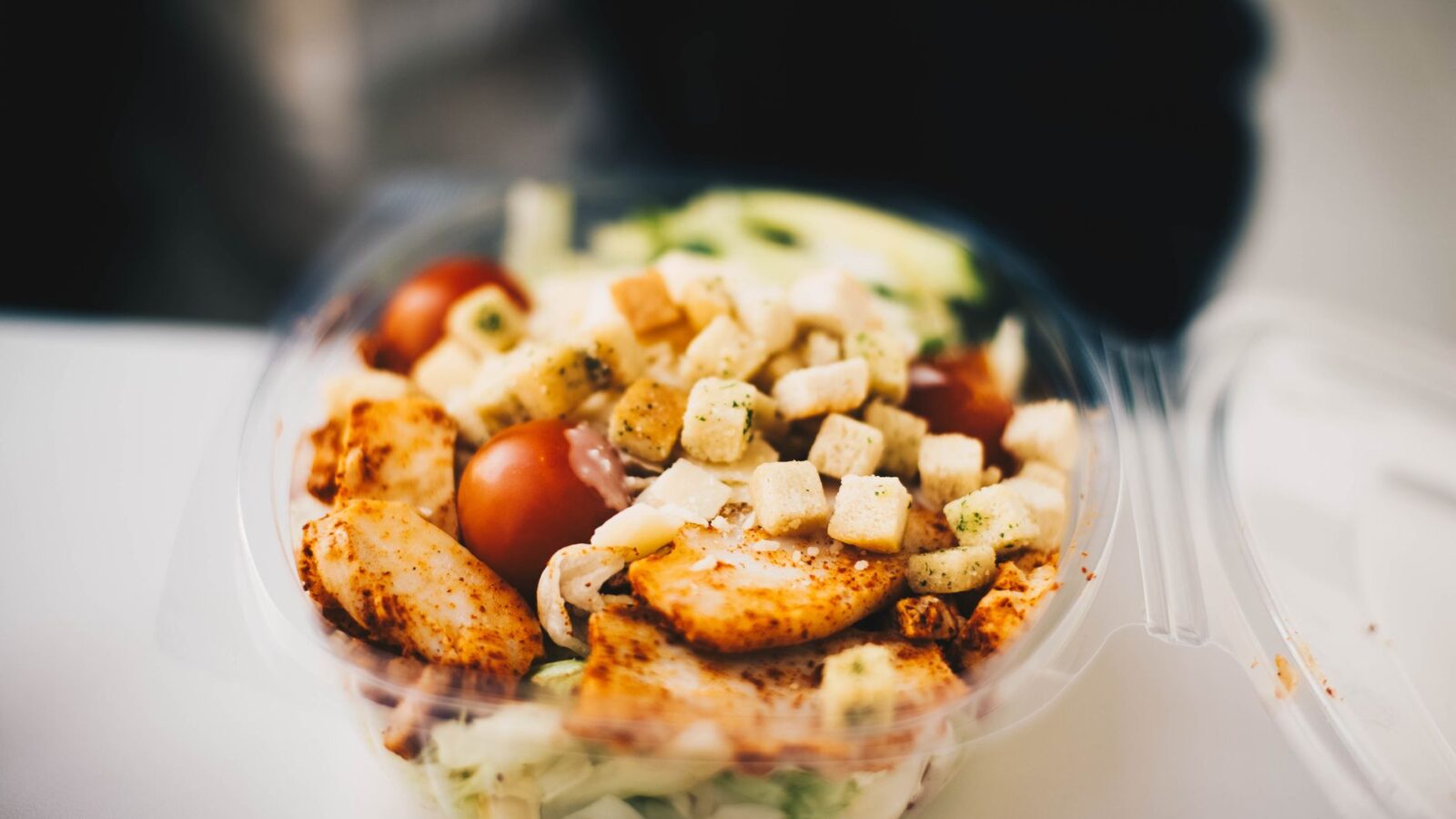
Budget muscle meal prep is the cornerstone of building size without draining your wallet. Getting bigger muscles isn’t just about lifting heavier weights or spending hours on a treadmill. The food you put in your body is the fuel that tells your muscles when to grow. For people who are just starting out and keeping an eye on the bank account, the idea of “muscle‑building meals” can feel like a pricey, complicated recipe book. The truth? You can build solid, lean muscle on a budget if you treat meal prep like a smart investment, not a luxury.
In this guide I’ll walk you through a practical, one‑week meal‑prep system that keeps protein high, carbs smart, and costs low. With a solid budget muscle meal prep plan, you’ll never have to choose between protein and price. Think of it as your personal playbook for feeding the gains you’re working for, while still leaving room for the rest of your life. Ready to stop guessing at dinner and start stacking muscle? Let’s dive in.

1. Budget Muscle Meal Prep: Set Clear Macro Targets Without Breaking the Bank
A well‑designed budget muscle meal prep strategy starts with knowing how many calories and grams of protein, carbs, and fats you’re aiming for. Before you even pick up a grocery bag, you need to know how many calories and grams of protein, carbs, and fats you’re aiming for. A good rule of thumb for beginners is: protein 1.0‑1.2 grams per pound of body weight, carbs 2‑3 grams per pound, and the rest from healthy fats. If you weigh 150 pounds, that’s roughly 150‑180 grams of protein, 300‑450 grams of carbs, and 50‑70 grams of fats per day.
Don’t let the numbers scare you. You can hit these targets with a handful of inexpensive staples. Here’s a quick reference for budget‑friendly foods and their macro content per 100 grams:
- Chicken breast (cooked): 31g protein, 0g carbs, 3.6g fat
- Eggs: 13g protein, 1.1g carbs, 11g fat (whole) or 3.6g if just whites
- Brown rice: 2.6g protein, 23g carbs, 0.9g fat
- Black beans (cooked): 8.9g protein, 20g carbs, 0.5g fat
- Oats: 13g protein, 66g carbs, 7g fat
- Peanut butter: 25g protein, 20g carbs, 50g fat (use in moderation)
- Frozen mixed veggies: 2g protein, 10g carbs, 0.5g fat
Using these building blocks, you can design a menu that hits your macro goals without splurging on fancy cuts or exotic superfoods.
2. Budget Muscle Meal Prep: Build a Simple Shopping List and Stick to It
A grocery list is your budget’s best friend. Write down everything you need for the week, then compare it to what’s on sale or in bulk. Here’s a sample list that covers a full week of meals for a 150‑pound person aiming for 180 grams of protein daily:
- Chicken thighs or drumsticks – cheaper than breast but still high in protein.
- Ground turkey or beef – great for stir‑fries and burgers.
- Eggs – buy a dozen, use for breakfast or quick snacks.
- Oats – buy a large container.
- Brown rice or whole‑grain pasta – bulk options save money.
- Black beans or chickpeas – canned for convenience or dry for a deeper discount.
- Frozen mixed veggies – cheaper than fresh and just as nutritious.
- Sweet potatoes – budget friendly and carb‑dense.
- Peanut butter – for a quick protein boost.
- Spices (salt, pepper, paprika, cumin, garlic powder) – essential for flavor without extra cost.
- Olive oil or canola oil – a small bottle for cooking.
When you hit the store, look for items on clearance or in the bulk section. Buying in bulk reduces per‑ounce cost and reduces waste. Keep an eye on weekly flyers and use a budgeting app to track your spend in real time. For more ideas, see our nutrition and meal plans collection.
Remember: the goal is consistency. If you’re buying more than you can use before it spoils, you’ll waste money and food. A one‑week prep plan keeps portions tight and waste low.

3. Master the Batch‑Cooking Workflow
Batch cooking is the backbone of muscle‑building meal prep. Pick one day—Sunday works best for most people—to cook everything you need for the week. Here’s a step‑by‑step flow:
- Prep the protein. Season chicken thighs with paprika, garlic powder, salt, and pepper. Roast in a single layer on a sheet pan at 400°F for 35–40 minutes. While that’s cooking, sauté ground turkey with a splash of oil, add a can of black beans, and a handful of frozen veggies. This two‑step protein routine gives you variety without extra effort.
- Cook the carbs. Bring a pot of salted water to a boil. Cook brown rice or whole‑grain pasta according to package instructions. For a sweet‑potato side, toss cubed potatoes with olive oil and bake at 425°F for 25 minutes.
- Divide and conquer. Use a kitchen scale to portion out 200‑gram servings of each protein and 150‑gram servings of each carb. If you’re a big eater, adjust the weight to hit your macro goals.
- Cool and store. Let everything cool to room temperature before placing in airtight containers. Use clear, stackable containers so you can see what’s inside at a glance.
- Label and date. Write the date and meal name on the container. This helps you rotate foods and keep the fridge fresh.
Optional: Use a slow cooker or Instant Pot to simplify the process. Cook a large pot of beans or a chicken pot roast in the morning; the rest of the week, you’ll just grab a portion and reheat.
Time is money. By investing a few hours on Sunday, you’re saving dozens of minutes each day, letting you focus on workouts and recovery.
4. Portion Control and Container Hacks
Portion control is essential for muscle building. Overeating can lead to excess fat gain, while undershooting protein can stall progress. Here’s a quick guide to visual portion cues:
- Protein: size of a deck of cards or a golf ball.
- Carbs: size of a baseball or a fist.
- Veggies: fill half your plate.
Use a set of