

The budget protein guide explains that protein is the building block of muscle. Every time you lift, your body breaks down muscle fibers and then rebuilds them stronger. If you’re new to the gym and still figuring out how to stack plates and hit your gains, the first thing that will pop up on your mind is: “How do I get enough protein without spending a fortune?” You don’t need a pantry full of fancy powders or a diet that feels like a science experiment. You just need a clear, simple plan that keeps your budget intact and your muscles on track.
This budget protein guide will walk through the basics of protein math, the cheapest ways to meet those numbers, and a few tricks to keep your meals straightforward. Harvard Health emphasizes that meeting protein needs doesn’t have to be expensive, and a solid plan can keep both your muscles and your wallet healthy.
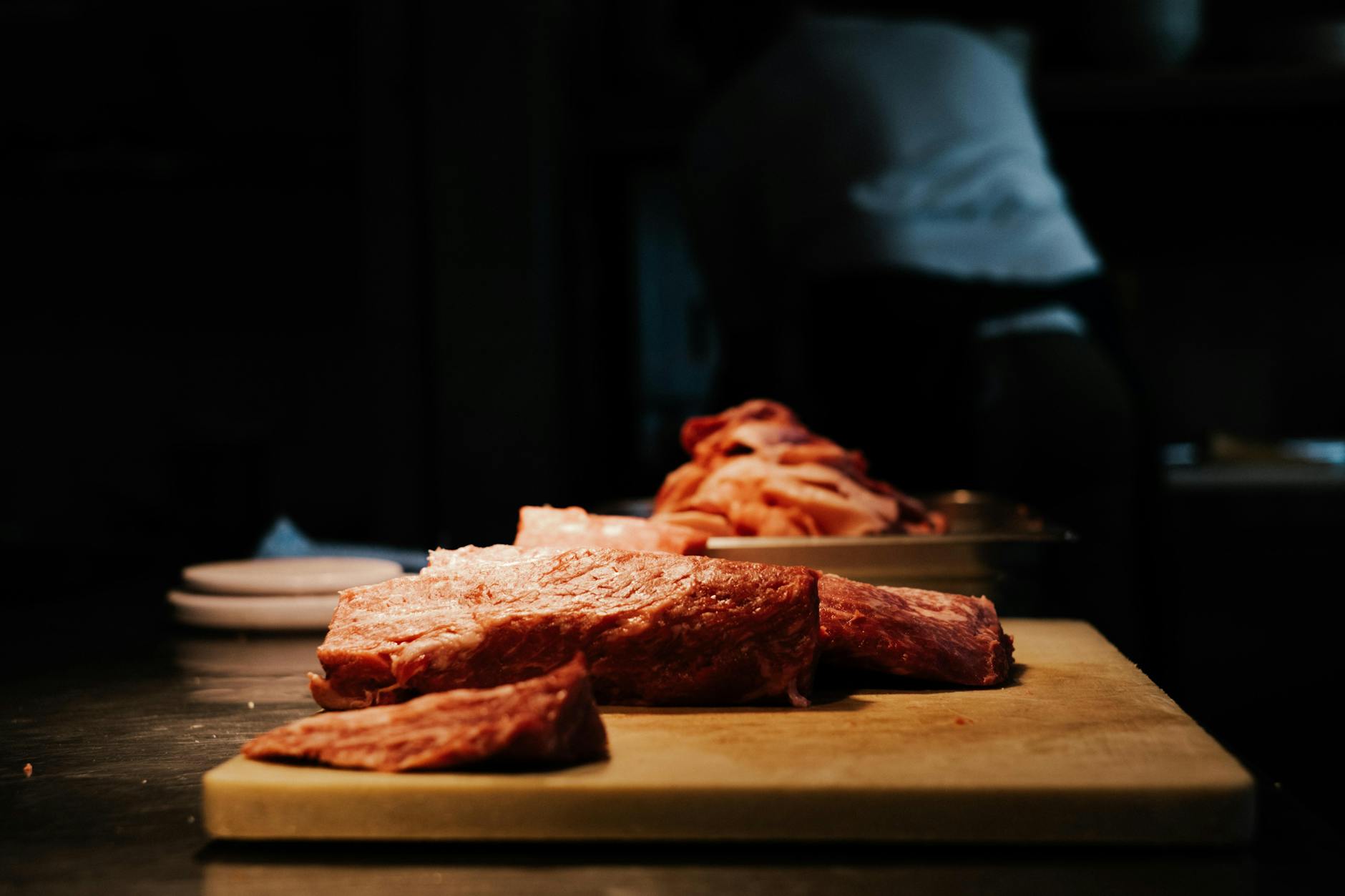
Know Your Numbers: How Much Protein Do You Need?
Before you start hunting for protein, you have to know how much you actually need. The most common rule of thumb for muscle building is 1.2 to 1.6 grams of protein per kilogram of body weight, or about 0.5 to 0.7 grams per pound. If you’re 160 pounds, that’s roughly 80 to 112 grams of protein per day.
Don’t stress over perfect precision. Aim for the lower end if you’re just starting out, then bump up as you get stronger or add more volume to your workouts. The key is consistency—getting that protein in chunks throughout the day, not a single massive meal.
To see how this translates into real foods, let’s break down a few common items:
- Eggs (large) – 6 grams per egg
- Chicken breast (cooked) – 31 grams per 100 grams
- Greek yogurt (plain, 200g) – 20 grams
- Canned tuna (in water, drained) – 25 grams per 100 grams
- Lentils (cooked) – 9 grams per 100 grams
- Peanut butter (2 tablespoons) – 8 grams
Notice how a single egg or a cup of Greek yogurt can make a big dent in your daily total. That’s the first hint that protein can be simple and inexpensive when you pick the right foods.
Budget Protein Guide: Low‑Cost, High‑Protein Staples
Many people think protein has to come from expensive cuts of meat or pricey supplements. In reality, there are a handful of foods that deliver a lot of protein for a small price tag. Below is a quick guide to the most budget‑friendly options, along with a few ways to stretch them even further.

1. Eggs – The king of affordable protein. A dozen eggs can cost as little as $1.50 in bulk. They’re versatile: scramble, hard‑boil, or add to a stir‑fry. Buy in bulk, keep them in a cool place, and you’ll have a protein source that lasts a week or more.
2. Canned Tuna or Salmon – A single can of tuna often costs under $1.00 and contains 25 grams of protein. Mix with a little mayo or Greek yogurt for a quick sandwich or salad topper. Look for “in water” to keep calories low.
3. Chicken Thighs or Drumsticks – While breasts are lean, thighs are cheaper and still pack plenty of protein—about 24 grams per 100 grams. Buy in bulk, freeze in portions, and roast or grill a batch on a Sunday to use throughout the week.
4. Greek Yogurt (Plain, Bulk) – A 32-ounce tub can cost around $3.00 and gives you roughly 40 grams of protein. Add fruit or a drizzle of honey for flavor without extra cost.
5. Lentils and Beans – Dry lentils cost less than $1 per pound and provide 9 grams of protein per 100 grams cooked. Canned beans are convenient but check for sodium; you can rinse them to reduce salt. Pair with rice or whole‑grain pasta for a complete meal.
6. Whey Protein Powder – A 2-pound tub of a basic whey isolate can be $30–$40. That’s about 1 gram of protein per $0.10. Use it as a post‑workout shake or mix into oatmeal. Buying in bulk or looking for sales can shave even more off the price.
7. Peanut Butter and Other Nut Butters – While not the most protein‑dense, they’re cheap and add healthy fats. Two tablespoons give you 8 grams of protein. Spread on whole‑grain bread or stir into a smoothie.
When you stack these foods into your weekly grocery list, you’ll find that hitting 80–100 grams a day is more than doable. The trick is to plan around these staples so you’re never scrambling for a protein source.
Simple Meal Patterns in a Budget Protein Guide
Once you know your protein targets and have a list of budget foods, the next step is to map out a meal pattern that keeps protein spread evenly across the day. Here’s a basic template you can adapt to your taste and schedule:
- Breakfast – Greek yogurt with a scoop of whey, a handful of berries, and a spoon of peanut butter. Total: ~30 grams.
- Mid‑morning Snack – One hard‑boiled egg and a piece of fruit. Total: ~6 grams.
- Lunch – Chicken thighs (200g) with brown rice and steamed veggies. Total: ~48 grams.
- Afternoon Snack – A small can of tuna mixed with a dash of mustard, served on whole‑grain crackers. Total: ~25 grams.
- Dinner – Lentil soup with a side of whole‑grain bread. Total: ~20 grams.
- Evening Snack (Optional) – A small cup of cottage cheese or a protein shake if you’re still short. Total: ~15 grams.
That’s roughly 140 grams of protein in a day—more than enough for most beginners. Notice how each meal is a simple, inexpensive combination of the staples we listed earlier. No need for fancy sauces or exotic ingredients.
To keep things from feeling repetitive, swap out the protein source or the carb base. For example, replace chicken with canned beans on a low‑budget day, or swap Greek yogurt for a scoop of whey in the morning. The goal is variety for taste