

Building muscle isn’t just about showing up to the gym and throwing weights around; avoiding muscle growth mistakes is essential. It’s a science that blends stress, recovery, and nutrition. Even the most budget‑friendly routine can stall if a few key mistakes creep in. If you’re feeling stuck, it’s time to look beyond the weights and dig into the habits that keep your gains from growing.
We’ll walk through the three biggest training missteps that hold many beginners back and give you clear, actionable fixes. Think of this as a chat with a friend who’s already carved out a solid routine—no fluff, just the real stuff that gets results.
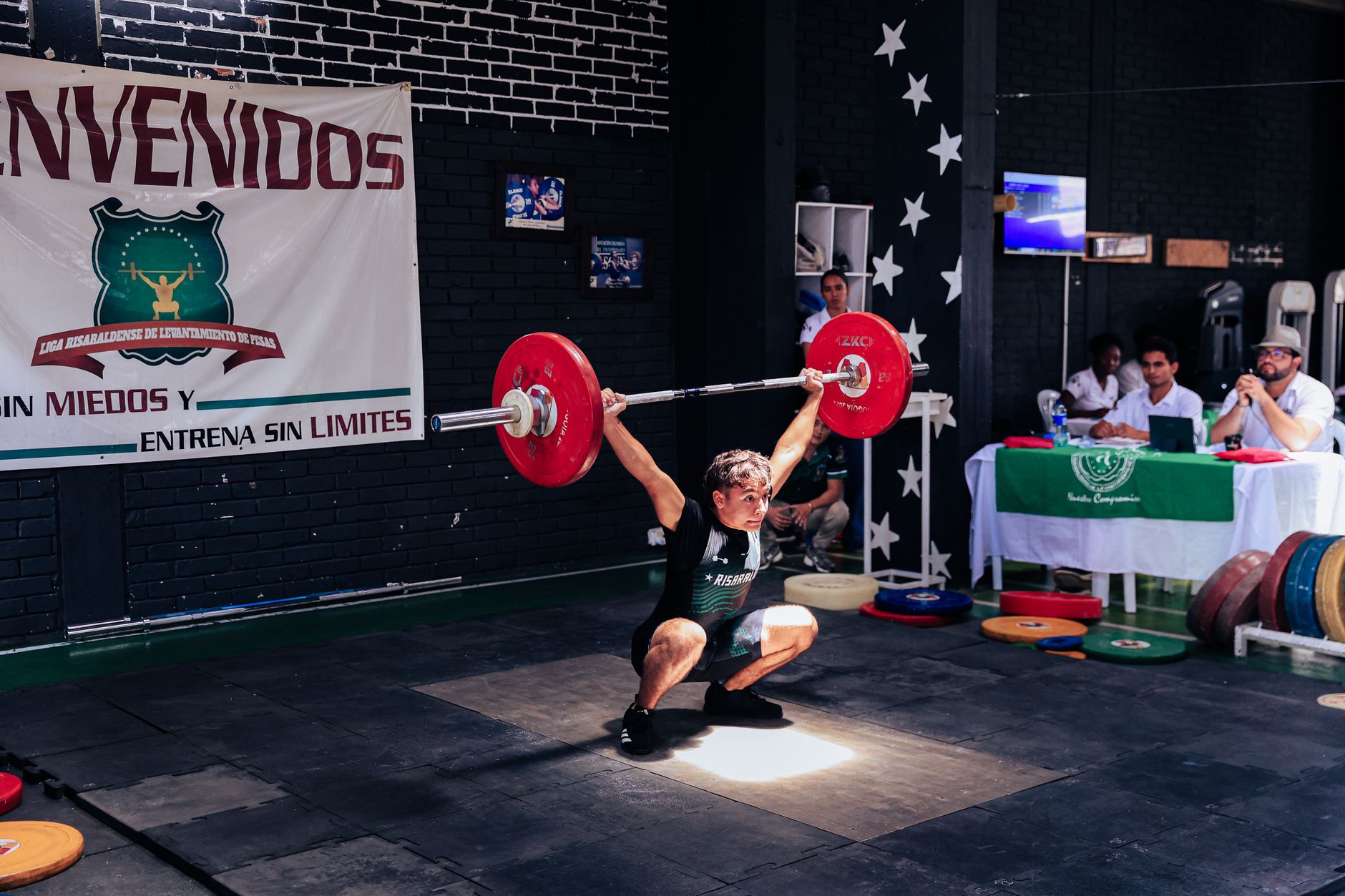
1. Ignoring Progressive Overload – a common muscle growth mistake
Progressive overload is the backbone of muscle growth. It’s the principle that muscles need a continual increase in demand to adapt. Many muscle growth mistakes stem from neglecting progressive overload. If you’re lifting the same weight for weeks, your muscles won’t know they need to grow.
Common signs you’re stuck: you hit the same rep range, you can’t add a single plate, or you’re not feeling the same burn after a workout. These are red flags that you’re not pushing enough. The trick is to make small, consistent gains—whether that’s adding a pound, increasing reps, or tightening form.
Budget‑friendly ways to ramp up:
- Use body‑weight progression. Switch from a standard push‑up to a decline push‑up or add a weighted vest.
- Track your sets and reps. A simple spreadsheet or a free app can remind you to add 1–2 reps each session.
- Swap in lighter dumbbells for heavier barbell work. If you can’t get a heavier bar, add a few extra dumbbells to the same movement.
Ask yourself: Are you recording your lifts? If not, start a log. Beginner mistakes and tips can help you stay consistent.
2. Skewed Volume and Frequency – another muscle growth mistake
Volume is the total amount of work you do (sets × reps × weight). Frequency is how often you hit each muscle group. Both are crucial for hypertrophy, but many beginners get them wrong. Skewed volume is a classic muscle growth mistake that hampers progress.
Too little volume and you’re not stimulating enough fibers. Too much, and you’re overtaxing recovery. The sweet spot depends on experience, but a good rule of thumb for most people is 10–20 sets per muscle group per week, split across 2–3 sessions.
Common pitfalls:
- Doing only one set per exercise.
- Skipping a muscle group entirely to focus on “big” lifts.
- Training the same muscle every day without adequate rest.
Fixes on a budget:
- Use a “3‑day full body” split if you’re short on time or money. It hits each muscle twice a week without needing a pricey gym membership.
- Incorporate supersets or drop sets to increase intensity without extra equipment.
- Keep a simple log of total sets and adjust when you feel fatigue stacking up.
Question time: How many times a week do you train each muscle? If you’re only hitting a chest once, you’re probably missing a big chunk of growth potential.

3. Bad Form and Neglecting Recovery
Muscle growth is a response to micro‑damage. When you lift with improper technique, you either shift that damage to joints or you’re not stressing the muscle enough. That means your body spends energy on repairing something else, not on building.
Typical errors:
- Racking a bar too high or too low on a squat.
- Letting elbows flare on a bench press.
- Using a “pumping” rhythm that skips the eccentric phase.
Recovery is the partner to training. Bad form and poor recovery are also frequent muscle growth mistakes. If you’re not sleeping, fueling, or giving muscles time to repair, your gains will stall.
Practical, cost‑effective fixes:
- Use a mirror or record yourself to check form. Even a phone camera works.
- Start with lighter weights to master technique before adding load.
- Incorporate foam rolling or simple mobility drills post‑workout.
- Aim for 7–9 hours of sleep. If you’re budget‑conscious, try a dark, cool room and a consistent bedtime.
- Keep protein intake steady—aim for 1.2–1.6 g/kg body weight. Cheap sources include eggs, canned tuna, and beans.
Remember, a solid form not only maximizes muscle recruitment but also reduces injury risk, keeping you on the grind longer.

Common Training Mistakes That Stall Muscle Growth (and How to Fix Them)
Below is a quick cheat sheet for the most frequent blunders that can keep you from seeing results. Treat this as a quick reference to keep in your gym bag or phone.
- Skipping warm‑ups. Even a 5‑minute jog or dynamic stretch can increase blood flow and reduce injury risk.
- Not tracking progress. Without data, you can’t see if you’re adding weight or reps.
- Using “heavy” as a goal. Prioritize controlled movement over lifting the heaviest load.
- Overtraining. Two days in a row of heavy squats? Your quads will be sore for a week.
- Ignoring accessory work. Neglecting smaller muscles can create imbalances and limit overall strength.
- Neglecting sleep. Muscle repair happens during rest—skip it and stall growth.
- Eating on a “just enough” budget. Skipping protein or carbs means your body has nothing to rebuild.
Each of these is a simple tweak away from a more effective routine. Pick one to tackle this week and watch the difference.

Stalling muscles is frustrating, but it’s usually a sign you’re doing something wrong—maybe a tiny detail you’re overlooking. Fixing these common mistakes will set you on a clear path to steady, sustainable growth. For evidence‑based advice, see Harvard Health. Grab your log, check your form, and keep pushing. Your future self will thank you for the effort you put in today. Happy lifting!