
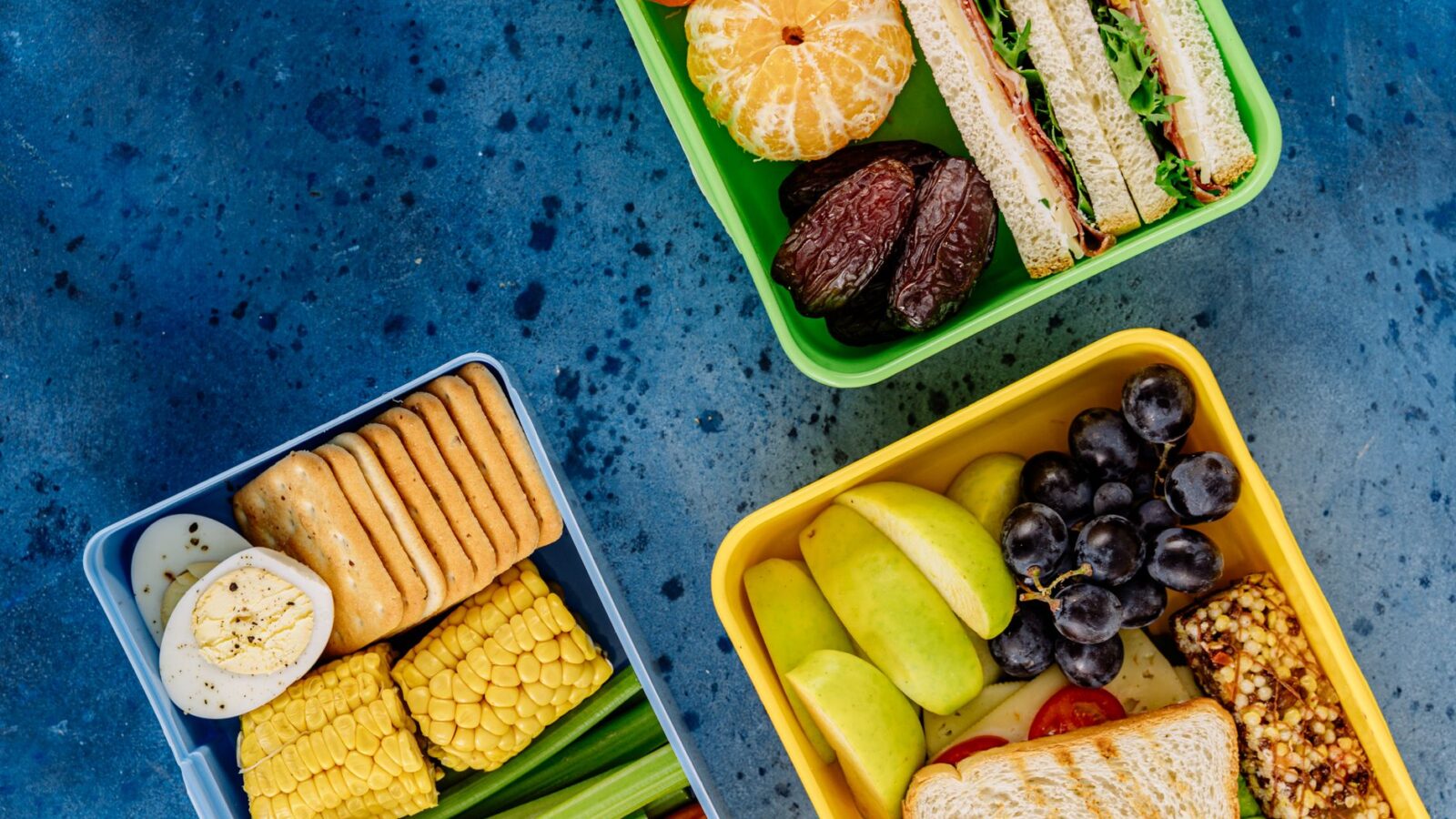
Hey, new lifter, welcome to budget muscle meal prep. You’re probably wondering how to keep the muscle‑building momentum going without breaking the bank or spending hours in the kitchen every day. Using a budget muscle meal prep approach saves both time and money. The truth is, if you can get your meals prepped once or twice a week, you’ll be able to hit your protein targets, stay on a budget, and keep the gym on your calendar. This post dives into one concrete meal‑prep strategy that works for beginners and keeps your gains steady.
We’re talking about a 3‑Day Batch Cooking System – a simple, repeatable routine that lets you cook enough food for three workout days, store it in the fridge or freezer, and grab it on the go. It’s a game‑changer for anyone who wants muscle growth, consistent protein intake, and a clear, affordable plan.
Ready to lock in a system that saves time, money, and energy? Let’s break it down.
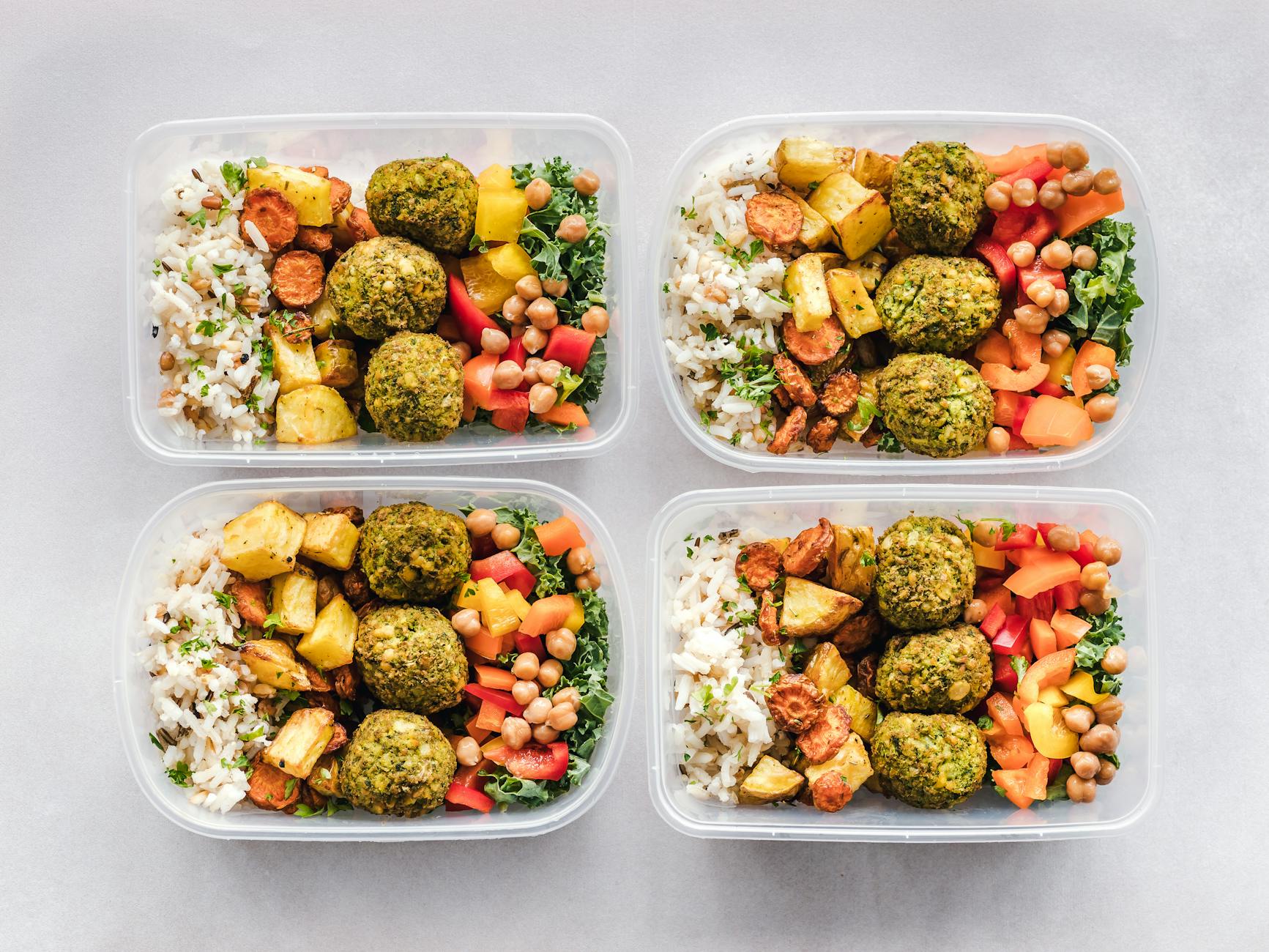
Why a Budget Muscle Meal Prep 3‑Day Batch System Works for Muscle Building
When you’re just starting out, the biggest hurdles are usually time and consistency. A lot of people think that building muscle means spending a fortune on fancy protein powders or hiring a personal chef. That’s not true. Muscle growth is about protein, calories, and recovery. If you can deliver those consistently, the rest follows.
A 3‑day batch system has three core advantages:
- Time savings – You spend a few hours on the weekend cooking once instead of daily.
- Cost control – Buying in bulk and using staples like rice, beans, and frozen veggies cuts prices.
- Macro precision – You know exactly how much protein, carbs, and fat each meal contains, so you can tweak portions to hit your daily goals.
Think of it like a workout split – you’re dividing your time into manageable chunks. The same logic applies to food.
Step 1: Build Your Budget Muscle Meal Prep Macro Blueprint
Before you grab any groceries, calculate your daily needs. A general rule for beginners is 1.2–1.5 grams of protein per pound of body weight. Add 10–15% more if you’re in a lean bulking phase. For carbs, aim for 2–3 grams per pound, and keep fats around 0.4–0.6 grams per pound. According to Harvard Health, adequate protein is essential for muscle repair.
Example: A 150‑lb beginner aiming for 200 g protein, 300 g carbs, and 50 g fats per day.
Once you have your totals, decide how many meals per day. A 3‑day batch system often works best with 3–4 meals per day, including a post‑workout shake or snack.
Here’s a quick template you can copy:
Meal 1: Breakfast
Meal 2: Mid‑morning snack
Meal 3: Lunch
Meal 4: Post‑workout protein shake
Meal 5: Dinner
Now, let’s pick foods that are cheap, protein‑dense, and easy to cook in bulk.
Step 2: Pick Your Staples
Choose a mix of proteins, carbs, and fats that you can buy in bulk and keep for several days. Keep it simple – you’re not looking for culinary perfection, just reliable nutrition. These items are perfect for a budget muscle meal prep routine.
- Proteins – Chicken breast, lean ground turkey, canned tuna, eggs, Greek yogurt, cottage cheese, lentils, and black beans.
- Carbs – Brown rice, oats, sweet potatoes, whole‑wheat pasta, and frozen mixed veggies.
- Fats – Olive oil, peanut butter, avocado, and nuts.
- Seasonings – Salt, pepper, garlic powder, paprika, and dried herbs. A few jars of sauce (e.g., low‑sodium soy sauce or salsa) add flavor without much cost.
Buying in bulk or at discount stores cuts price per pound dramatically. For example, a 5‑lb bag of chicken breast can be less than $10, and you’ll have enough for 15 meals.
Sample Grocery List for a 3‑Day Batch
- 5 lb chicken breast – $9
- 1 lb ground turkey – $4
- 3 lb brown rice – $3
- 2 lb sweet potatoes – $2
- 1 lb lentils – $1.50
- 1 lb frozen mixed veggies – $1.50
- 12 eggs – $2
- 1 lb Greek yogurt – $3
- 2 tbsp olive oil – $1
- Seasonings – $2
- Misc (nuts, peanut butter, etc.) – $4
Total: ~ $30 for 3 days of meals, or about $10 per day. That’s a fraction of what you’d spend on individual protein shakes or dining out. For more ideas, explore our nutrition and meal plans for budget-friendly options.
Step 3: Cook, Portion, Store
Allocate 2–3 hours on a weekend day. Use a large pot or slow cooker for the bulk items, then divide into containers. Here’s a sample recipe that works for most days:
Protein‑Rich Chicken & Veggie Bowl
Ingredients (serves 6):
- 3 lb chicken breast, diced
- 3 cups brown rice, cooked
- 3 cups frozen mixed veggies
- 3 tbsp olive oil
- Seasonings: salt, pepper, garlic powder
Method:
- Cook the rice per package instructions.
- In a large pan, heat olive oil and sauté chicken until cooked.
- Add veggies and cook until tender.
- Season with salt, pepper, and garlic powder.
- Divide rice, chicken, and veggies into 6 equal portions.
- Store in airtight containers. Freeze if you plan to eat beyond 3 days.
Repeat with ground turkey or lentils for variety. For a quick post‑workout shake, blend Greek yogurt, a banana, and a scoop of protein powder (if you’re using it). The shake can be pre‑made in a blender bottle and stored in the fridge.
Storage Tips
- Use clear containers so you can see the contents.
- Label with date and meal type.
- Keep the fridge at 40°F or lower.
- For longer storage, freeze individual portions and thaw in the morning.
When you’re ready to eat, just grab a container, reheat, and go. No more last‑minute scrambling.
Step 4: Adjust Portion Sizes to Meet Your Goals
After you’ve cooked your batch, weigh one portion to get a baseline. Use a kitchen scale or a measuring cup to determine how many grams of protein, carbs, and fats are in each meal. Then, adjust by adding or subtracting a small amount of a single ingredient.
For instance, if a chicken bowl has 30 g protein but you need 35 g per meal, add a hard‑boiled egg (about 6 g protein). If you’re over on carbs, reduce the rice portion slightly.
Keep a simple spreadsheet or use a free app to track macros. It’s not about perfection, but about consistency.
Common Mistakes and How to Avoid Them
Even a great meal prep system can slip if you overlook a few details. Here are the most frequent pitfalls and quick fixes.
1. Skipping the Post‑Workout Shake
Muscle recovery starts right after you hit the gym. A protein shake with carbs is a fast, inexpensive way to get nutrients into your system. If you’re on a tight budget, blend a scoop of whey or a simple egg white shake with a banana.
2. Over‑cooking Vegetables
Over‑cooked veggies lose nutrients and become mushy. Use a quick steam or sauté method and keep them bright. If you’re using frozen veggies, microwave them briefly and add a splash of water to keep them crisp.
3. Mixing Too Many Flavors
While variety is good, too many different sauces can complicate portion control. Stick to a few seasonings and keep sauces on the side. That way, you can mix and match without changing macros drastically.
4. Not Reheating Properly
Reheating can affect taste and texture. Use the microwave for 1–2 minutes or heat in a skillet with a splash of water to keep foods from drying out. If you’re using a slow cooker or instant pot, you can reheat directly there.
5. Forgetting to Hydrate
Protein synthesis needs water. Pair your meals with a glass of water or a low‑sugar electrolyte drink. A simple rule: aim for at least 3 liters per day.