
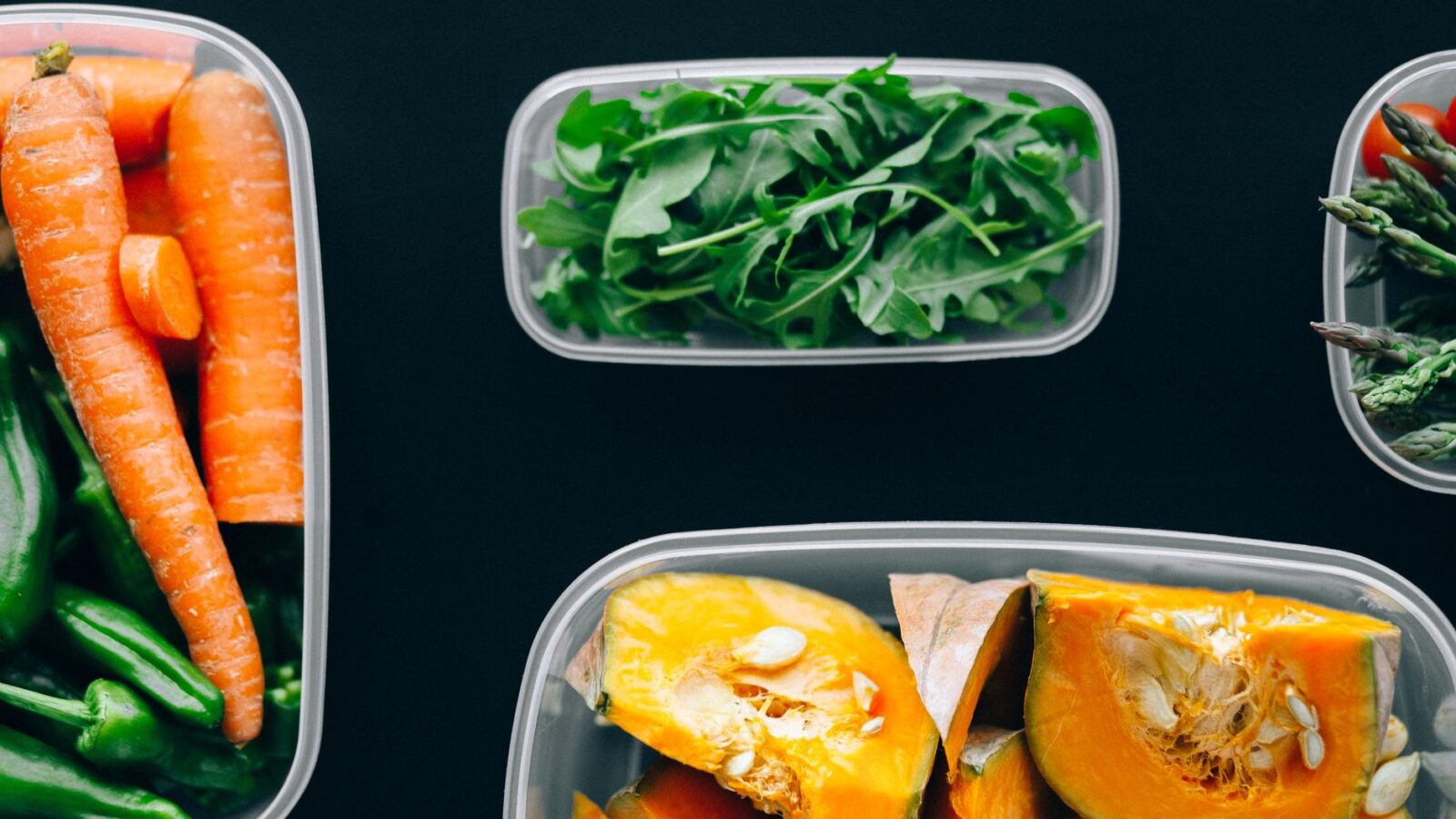
A budget muscle meal prep plan is essential because building muscle isn’t just about hitting the gym hard; what you put in your body every day is just as critical. For people who are new to lifting and still watching the wallet, a smart meal‑prep routine can be the secret weapon that turns effort into real gains. Instead of buying pricey protein shakes or chasing the latest diet trend, you can create a steady supply of affordable, nutrient‑dense meals that keep you fed, satisfied, and on track.
In the next few hundred words, I’ll walk you through a single, repeatable budget muscle meal prep strategy that balances protein, carbs, and fats, cuts grocery costs, and saves time. Think of it as your “muscle‑building kitchen hack” that you can run every week with minimal fuss.
Why a Budget Muscle Meal Prep Is the Backbone of Muscle Growth
When you’re new to strength training, the first mistake many people make is “I’ll just eat whatever’s on hand.” That approach leads to sporadic protein intake (Harvard Health), uneven energy levels, and ultimately, stalled progress. Muscle repair and growth happen when you provide the body with a steady stream of amino acids and calories—especially after a workout. A budget muscle meal prep ensures you consistently meet your protein goals without overspending.
Consistent meal prep:
- Guarantees you hit your daily protein target (usually 1.2–1.6 g/kg for beginners).
- Helps avoid the temptation of late‑night junk food that can sabotage muscle‑building calories.
- Reduces grocery shopping time, letting you focus on lifting.
- Keeps your budget in check by buying in bulk and cutting waste.
In short, meal prep turns nutrition from a chaotic afterthought into a reliable foundation for growth.
Step One: Build a Budget Muscle Meal Prep Template
The simplest way to keep your meals muscle‑friendly is to use a “template” that you can tweak each week. Below is a base template that works for most beginners. Feel free to swap ingredients if you have dietary restrictions or taste preferences.
Template for 5 days, 3 meals + 2 snacks per day
| Meal | Protein (g) | Carbs (g) | Fats (g) |
|---|---|---|---|
| Breakfast | 25 | 35 | 12 |
| Mid‑morning Snack | 15 | 15 | 5 |
| Lunch | 30 | 45 | 15 |
| Afternoon Snack | 15 | 15 | 5 |
| Dinner | 30 | 45 | 15 |
That totals roughly 135 g protein, 155 g carbs, and 52 g fats per day—adjustable based on your weight and activity level. The key is to keep the ratios consistent so the body knows what to expect.
Now, let’s translate this into real foods that are cheap, widely available, and easy to cook in