
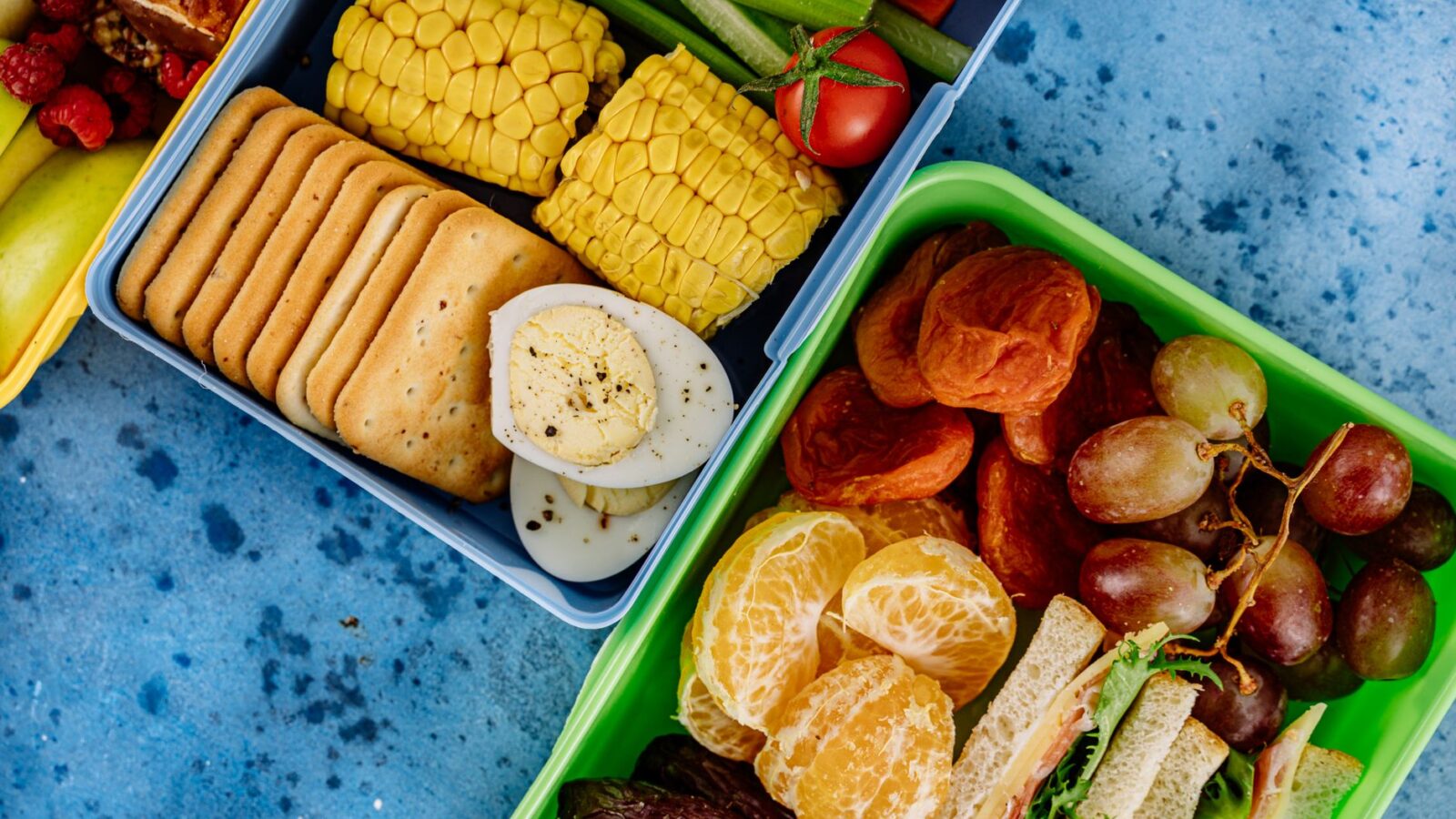
Budget muscle meal prep is a lot like putting together a well‑planned playlist: every track (or meal) needs to hit the right note at the right time. When you’re new to the gym and watching the bank account, the idea of a fancy protein shake or a line of specialty meats can feel like a luxury. The truth is, you can keep your gains on track without breaking the bank—just by mastering a few meal‑prep habits that keep protein steady, calories balanced, and food costs low.
In this post we’ll dive into one specific strategy: batch‑cooking a protein‑centric weekly menu using inexpensive staples. From the science behind protein distribution to a step‑by‑step prep routine, you’ll get a playbook you can follow every week. And because we’re talking muscle, we’ll also cover how to tweak portions, swap ingredients, and stay on schedule without losing the flavor or the gains.
Ready to turn your kitchen into a muscle‑building factory? Let’s get started.
A well‑designed budget muscle meal prep plan ensures you stay on track with protein goals while keeping grocery bills low.

Why Budget Muscle Meal Prep Matters for Muscle Growth
Muscle protein synthesis—the process that builds new muscle fibers—needs a steady supply of amino acids. That means you don’t have to eat a ton of food all the time, but you do need to hit a protein target each day and spread it out across meals.
Studies show that consuming about 0.25–0.3 grams of protein per pound of body weight per meal (roughly 20–30 grams) maximizes muscle protein synthesis. If you’re eating three meals a day, that’s 60–90 grams of protein daily. For a budget‑conscious beginner, the trick is to pick foods that are cheap, versatile, and easy to cook in bulk. For detailed guidance on protein needs, see the recommendations from Harvard Health.
Meal prep helps you:
- Keep portions in check—no more guessing how much protein you’re actually getting.
- Avoid the temptation of fast‑food or pricey take‑outs.
- Save time—once the week is cooked, you’re just reheating and eating.
- Reduce waste—buy in bulk, use leftovers creatively.
When you line up a week’s worth of protein‑rich meals ahead of time, you’re setting yourself up for consistent gains, even on a tight budget.
Choosing Affordable, High‑Protein Staples
Below are some of the most cost‑effective protein sources that also play well with a variety of flavors. The key is to buy in bulk, look for sales, and pair with cheap carbs and veggies for a balanced plate.
Implementing a budget muscle meal prep routine with these staples makes it easy to hit daily protein targets without overspending.
For more ideas, explore our nutrition and meal plans.
- Chicken thighs (skin‑on or off) – Cheaper than breasts, but still lean when trimmed. A pound can yield 3–4 servings of 30 grams of protein each.
- Eggs – One large egg packs about 6 grams of protein. Stock up on a dozen; you’ll have enough for breakfasts and quick snacks.
- Ground turkey or beef – Look for 80/20 or 90/10 mixes; they’re cheaper than fresh cuts and still deliver 20–25 grams of protein per 3 ounces.
- Canned tuna or salmon – Great for salads and sandwiches; one can gives around 20 grams of protein.
- Lentils and beans – While they’re not as high in protein per gram, they’re cheap, fiber‑rich, and can be paired with a protein source to hit the target.
- Greek yogurt (plain, low‑fat) – A 170‑gram container has about 15–20 grams of protein. Use it as a snack or in smoothies.
- Peanut butter or other nut butters – 2 tablespoons provide 8 grams of protein and healthy fats. Pair with whole‑grain bread for a quick meal.
When you’re buying these items, look for store brands, buy in bulk, and use coupons. Most supermarkets offer weekly specials on chicken or eggs that can shave a few dollars off your total.
Planning Your Weekly Budget Muscle Meal Prep Flow
Once you’ve got your protein sources, the next step is to map out a simple, repeatable workflow. Below is a framework that works for most people who want to keep things straightforward.
- Set a prep day. Pick a day—Sunday or Saturday works well—when you have a few hours to cook and store. This way you’ll have fresh food ready for the whole week.
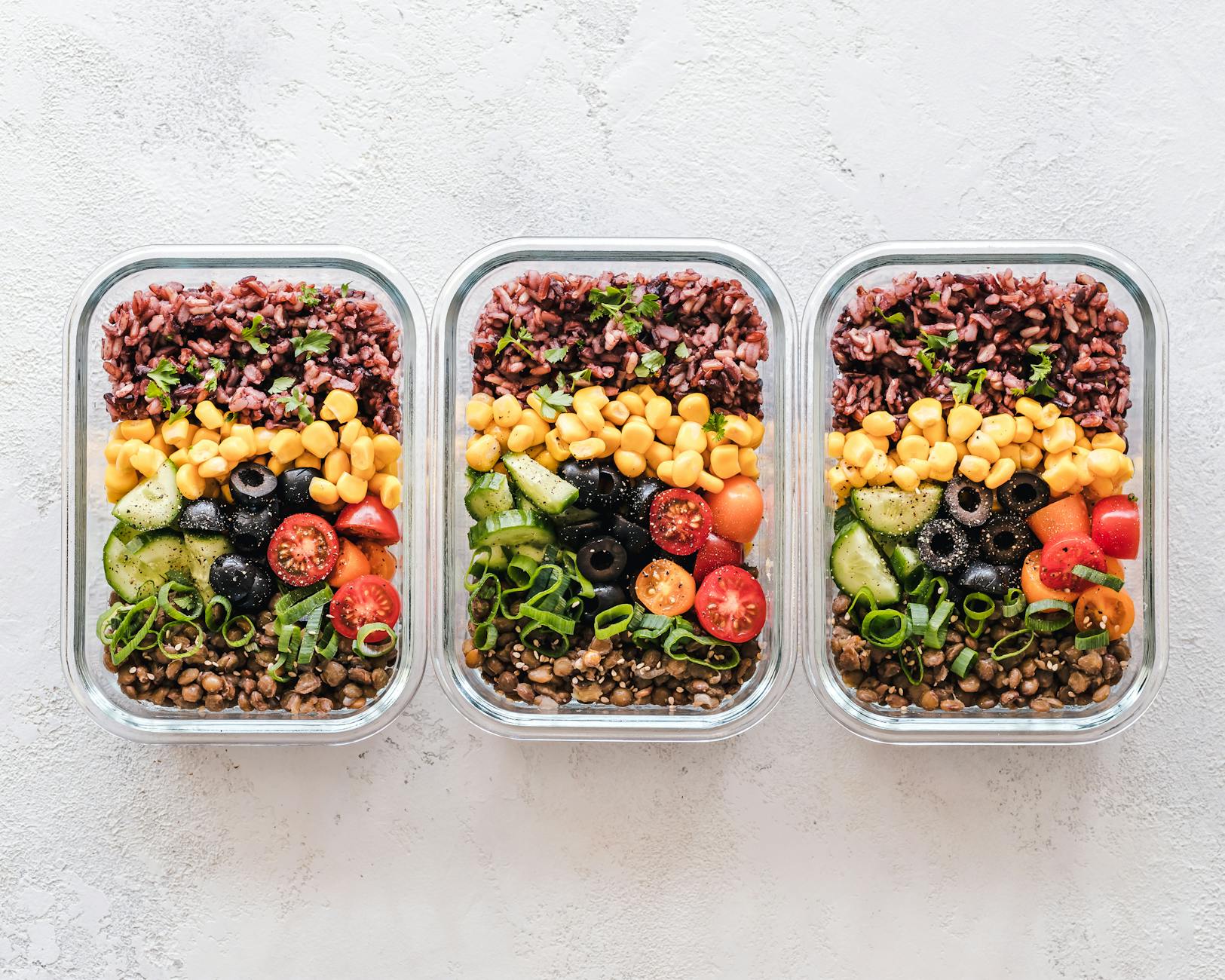
- Batch cook a single protein. For example, roast a large tray of chicken thighs or cook a big pot of lentils. This reduces cooking time and ensures you have a base for each meal.
- Cook a bulk carb. Rice, quinoa, or pasta are great options. Cook a large quantity and divide into portions.
- Prepare a vegetable mix. Steam or roast a big batch of broccoli, carrots, or mixed bell peppers. Portion into containers with the protein and carb.
- Portion and label. Use clear containers or freezer bags. Label with date and meal type. This helps you avoid the “what’s in this box?” confusion.
- Keep a simple seasoning kit. A few spices—salt, pepper, garlic powder, paprika—can transform a plain dish into something flavorful. Store in a small jar or packet.
With this routine, you’ll have three main meals and two snacks each day that all hit the protein target. You can swap the protein source or add a side like Greek yogurt or a handful of nuts to keep variety.
Sample Daily Menu Using the Prep Strategy
Here’s a realistic example that uses the items we listed above. Feel free to swap out any ingredient for something you already have on hand.
- Breakfast (pre‑workout) – 2 scrambled eggs, 1 slice of whole‑grain toast, a spoonful of peanut butter. Total protein: ~22 grams.
- Mid‑morning snack – 170‑gram plain Greek yogurt, a drizzle of honey, and a handful of berries. Protein: ~15 grams.
- Lunch (post‑workout) – 6 ounces of roasted chicken thighs, 1 cup of cooked brown rice, roasted broccoli. Protein: ~35 grams.
- Afternoon snack – 1 can of tuna mixed with a teaspoon of mayo, served on whole‑grain crackers. Protein: ~20 grams.
- Dinner – 4 ounces of ground turkey in a tomato sauce, 1 cup of lentils, mixed salad with olive oil dressing. Protein: