

When you’re just stepping into the world of strength training, one of the first questions that pops up is how to get budget protein muscle results. The answer is simpler than it sounds: feed them protein. But protein isn’t just a number on a label; it’s a complex mix of amino acids that your body needs to repair and build new muscle tissue. For beginners on a tight budget, figuring out where to get the most bang for your buck can feel overwhelming. Don’t worry – I’ve broken down the science, the economics, and the practical meal strategy so you can hit the gym, eat smart, and keep your wallet happy.
Why Budget Protein Muscle Is the Cornerstone of Muscle Growth
First, let’s get the basics straight. Muscles aren’t built from muscle fibers alone; they’re built from the building blocks of protein, specifically the 20 amino acids that your body either synthesizes or must obtain from food. When you lift weights, you create tiny micro-tears in muscle fibers. The body repairs those tears with new protein strands, which results in bigger, stronger muscles over time.
When budgeting for your gains, focusing on budget protein muscle options can make all the difference.
Research consistently shows that consuming 1.6 to 2.2 grams of protein per kilogram of body weight each day is optimal for most people looking to build muscle. According to Harvard Health, that translates to roughly 0.7 to 1 gram per pound. It’s not a magic number – if you’re eating 2,000 calories a day, you’ll want about 150-180 grams of protein to stay on track. The trick is getting that protein from foods that are affordable, accessible, and delicious.
Why do we care about the quality of protein? Animal sources like chicken, turkey, and fish contain all nine essential amino acids – they’re “complete” proteins. Plant sources often lack one or more of those essential amino acids, but you can combine foods (like rice and beans) to get a full profile. For muscle building, the body cares more about the total amount of high‑biological‑value protein than the exact source, as long as you’re meeting your daily goal.
The Budget Protein Muscle Value Equation: Cost, Quantity, and Digestibility
When budgets are tight, the question isn’t whether to buy protein, but which protein gives you the most grams per dollar without compromising on quality. Think of it like a grocery store price‑per‑ounce chart, but for protein. Below, I’ll walk through the key variables that make a food a “high‑protein, budget‑friendly” choice.
1. Protein Density – grams of protein per serving. A food that packs 25 grams of protein in a 5‑ounce portion will out‑value a 3‑ounce portion that has only 15 grams. Look for foods where the protein content is high relative to the calorie count. This is especially important if you’re trying to stay lean while gaining muscle.
2. Cost Per Gram – price divided by protein grams. A $5 bag of beans that gives 10 grams per cup costs $0.50 per gram. A $4 chicken breast that yields 30 grams of protein costs $0.13 per gram. That’s a huge difference, but remember that beans also provide fiber, vitamins, and minerals. You can combine a cheaper plant protein with a modest animal protein to hit your goals.
3. Digestibility and Bioavailability – not all protein is absorbed equally. Animal proteins typically have a higher digestibility coefficient (around 90‑95%) compared to plant proteins (70‑80%). That means you actually get more usable protein from the same weight of chicken than from the same weight of lentils. But the trade‑off is cost and sometimes taste.
4. Versatility and Prep Time – a protein source that can be cooked in bulk, frozen, or used in multiple dishes saves time and money. Bulk‑cooking chicken or canned tuna can be a lifesaver for a busy schedule.
By weighing these factors, you can create a protein “portfolio” that keeps your meals varied, affordable, and muscle‑friendly.
Building a Muscle‑Building Plate on a Budget
Now that you know what to look for, let’s translate that into a real, actionable meal plan. I’ll focus on a single high‑protein food that ticks all the boxes for cost, density, and versatility: canned tuna. It’s inexpensive, shelf‑stable, and can be used in dozens of dishes. Pair it with a few other budget staples, and you’ll have a simple, repeatable strategy that keeps your protein intake high without breaking the bank.
The key to success is to consistently hit your budget protein muscle targets each day.
Below is a sample daily menu that provides roughly 170 grams of protein, about 2,200 calories, and costs under $15 for a week of meals. Feel free to swap out foods for seasonings or spices to keep flavors fresh.
- Breakfast: Overnight oats with Greek yogurt, chia seeds, and a scoop of protein powder (if you have it). 30 grams of protein.
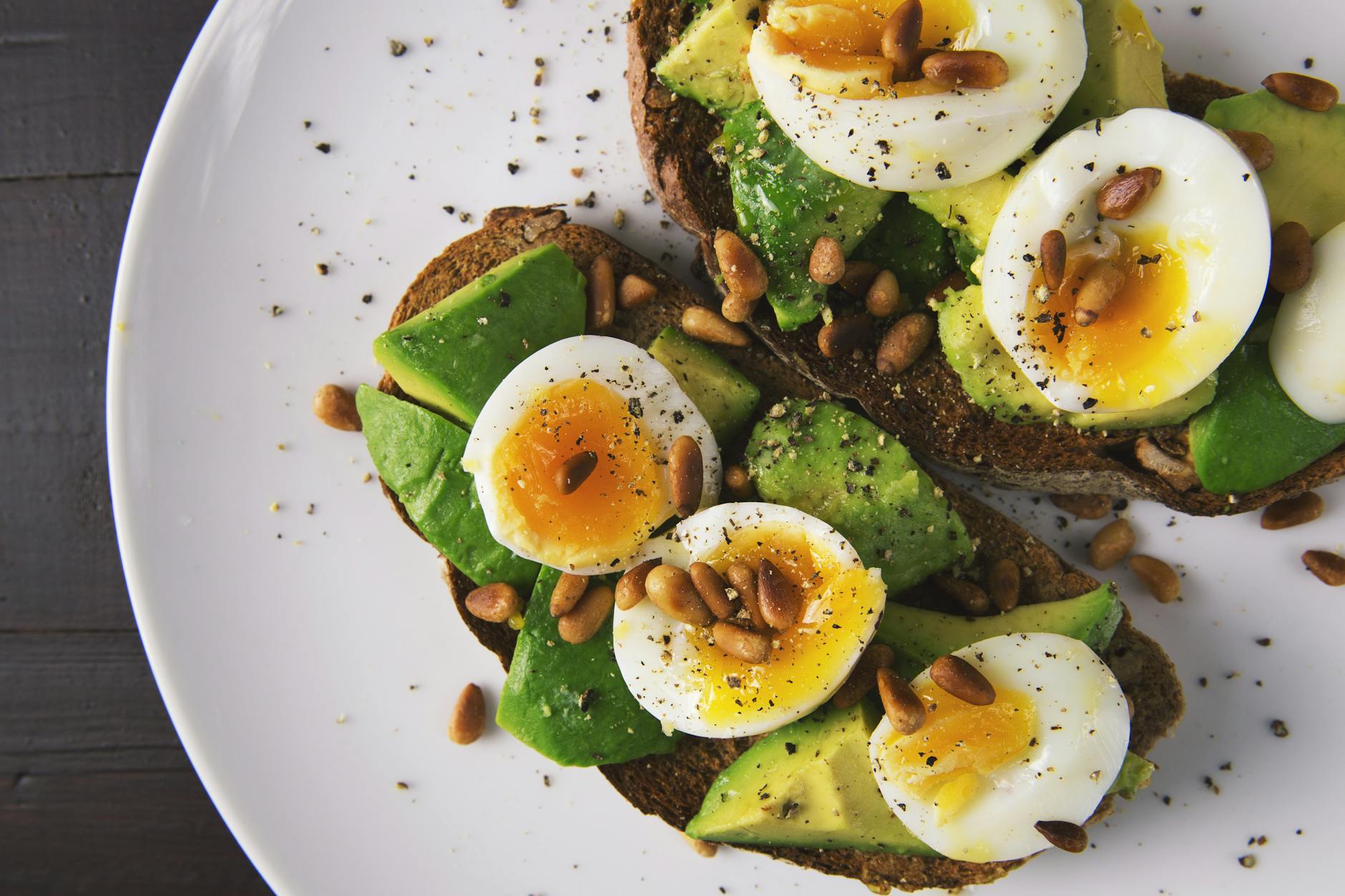
- Mid‑Morning Snack: Hard‑boiled eggs (2 eggs) and a small banana. 12 grams of protein.
- Lunch: Tuna salad made with 1 can of tuna (about 20 grams), mixed greens, cherry tomatoes, and a drizzle of olive oil. 20 grams of protein.
- Afternoon Snack: Cottage cheese (1 cup) with sliced peaches. 28 grams of protein.
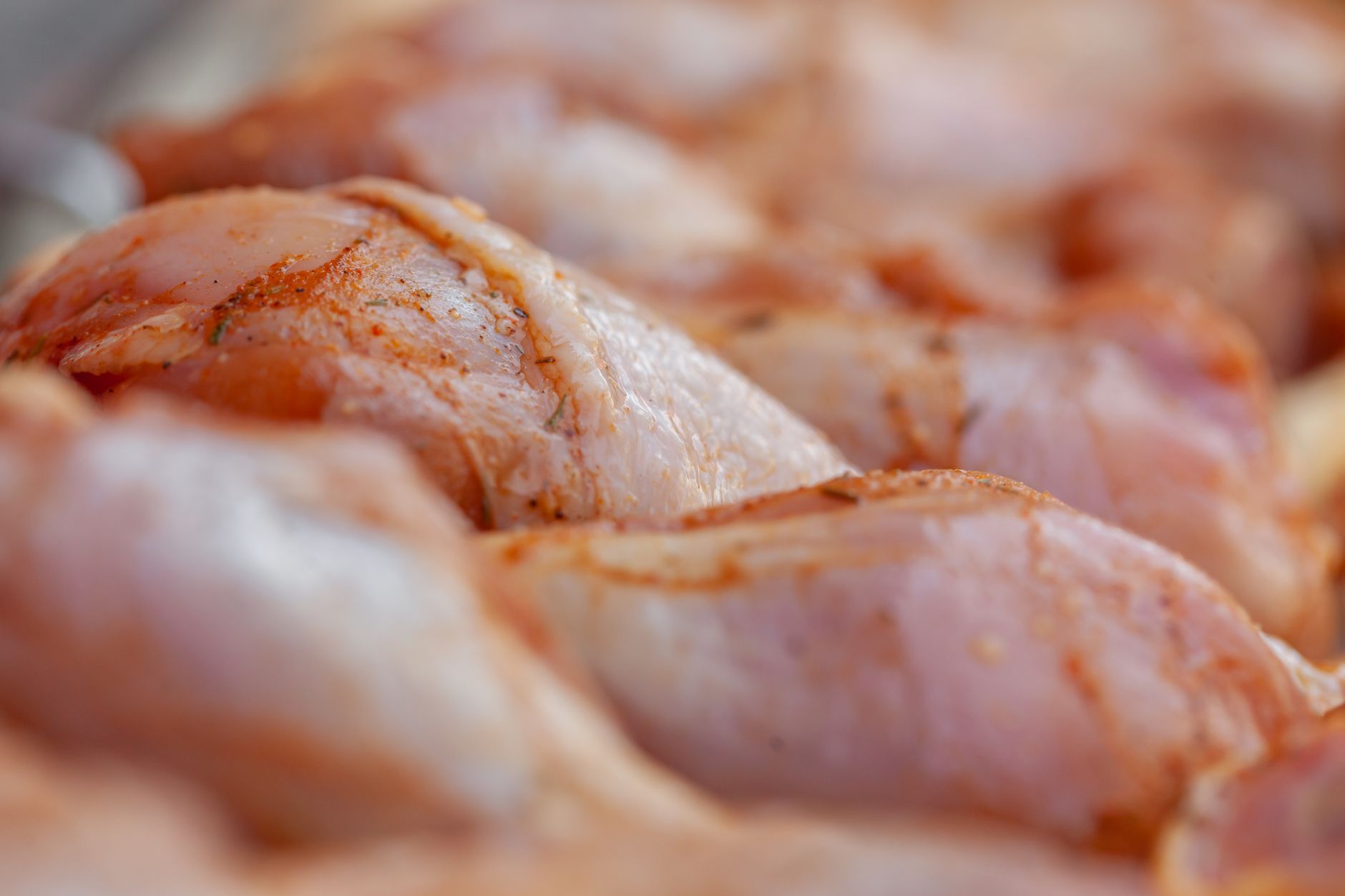
- Dinner: Grilled chicken thighs (4 oz) with quinoa and steamed broccoli. 35 grams of protein.
- Evening Snack: Casein or whey protein shake with a splash of milk. 30 grams of protein.
That’s about 165 grams of protein total – plenty for most beginners. The key is consistency and portion control. If you’re looking to cut calories, swap a portion of the quinoa for a side of sweet potato or add more vegetables to keep volume without adding too many calories.
What if you’re vegetarian or don’t like tuna? The same principles apply. For example, a can of chickpeas provides about 15 grams of protein per cup, and you can mix them into salads, stews, or make hummus. Pair chickpeas with a small portion of whole‑wheat pasta or rice to cover the missing amino acids.
Remember, muscle growth is a marathon, not a sprint. Your body needs consistent protein over time, not just a single high‑protein meal. Aim to spread protein intake evenly across 3–4 meals and snacks.

Practical Tips and Common Mistakes to Avoid
Even with a solid plan, there are pitfalls that can derail your