
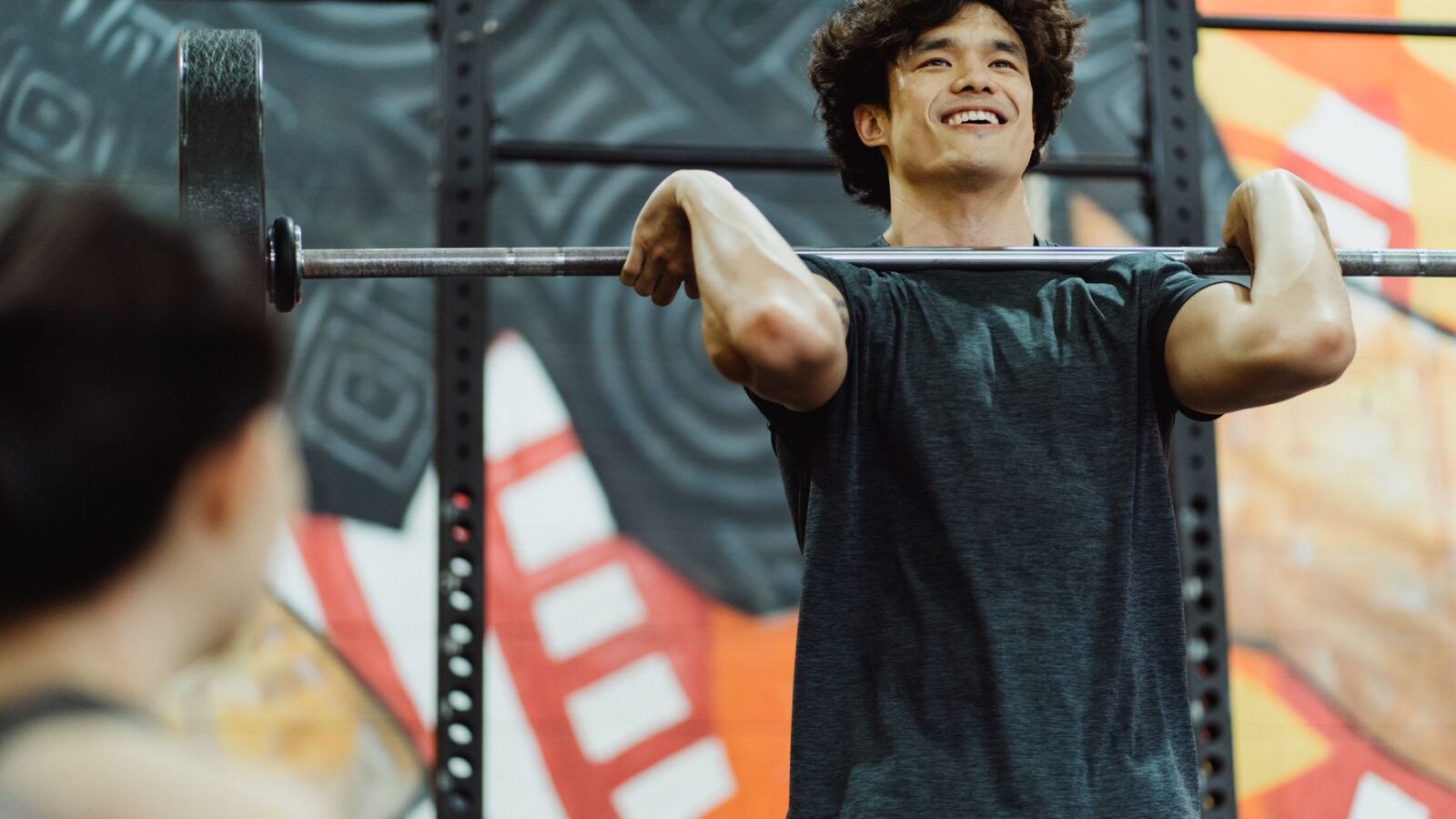
When you first step into a gym, the push pull legs split is often displayed on the wall of posters and a wall‑mounted chart that looks like a maze. “Push‑Pull‑Legs,” “Upper/Lower,” “Full Body,” “Split,” “Hypertrophy.” It’s easy to get lost. You’re probably wondering which split will get you bigger arms, stronger legs, or a leaner core without sending your wallet into a panic.
There’s no one‑size‑fits‑all answer. The right split depends on how often you can hit the gym, how quickly you recover, and what kind of progress you’re after. In this post we’ll break down the pros and cons of two popular options—Push‑Pull‑Legs (PPL) and Full‑Body—and help you decide which one is the best fit for your routine.
Let’s cut through the jargon and get straight to the point: whether you’re a 3‑day a week beginner or a seasoned lifter with 8+ hours of sleep a night, you can find a split that maximizes muscle growth, keeps training interesting, and respects your schedule.

Understanding the Push Pull Legs Split
Push‑Pull‑Legs divides the body into three distinct groups: pushing muscles (chest, shoulders, triceps), pulling muscles (back, biceps), and legs (quads, hamstrings, glutes, calves). Each group gets its own workout, usually 1–2 times per week, depending on volume goals.
The push pull legs split is especially popular among intermediate lifters because it balances frequency and recovery.
Why it works:
- High training frequency for each muscle group—up to twice a week in many programs.
- Clear separation of movement patterns reduces fatigue and keeps lifts fresh.
- Easy to scale volume: add or drop sets without reshuffling the whole routine.
Typical weekly layout:
- Day 1 – Push
- Day 2 – Pull
- Day 3 – Legs
- Day 4 – Push
- Day 5 – Pull
- Day 6 – Legs
- Day 7 – Rest
Or, for a lighter schedule, you can do a 3‑day version: Push, Pull, Legs, then repeat after a rest day. This keeps each workout short (30–45 minutes) and allows plenty of recovery between sessions.
Common mistakes:
- Trying to cram too many isolation moves into one session and losing focus on compound lifts.
- Neglecting core work because it feels like “extra.”
- Overlooking leg volume—many PPL programs under‑train the lower body.
Because each muscle group gets dedicated time, you can hit high intensity and volume without overtaxing the body on a single day. That’s why PPL is favored by lifters who can spend 4–5 days a week in the gym.
Full‑Body Workouts: The All‑In One Approach
Full‑body training hits every major muscle group in one session. You’ll usually do 3–4 sessions per week, each lasting 45–60 minutes. The principle is simple: use compound movements that recruit multiple joints and muscle groups, then add a couple of isolation exercises for balance.
Why it works:
- Higher overall frequency for each muscle group—often 3–4 times a week.
- Efficient use of time—great for people who can’t commit to a 5‑day split.
- Greater caloric burn per session, which can help with fat loss goals.
Typical weekly layout:
- Day 1 – Full Body A
- Day 2 – Rest or light cardio
- Day 3 – Full Body B
- Day 4 – Rest or light cardio
- Day 5 – Full Body A
- Day 6 – Rest or light cardio
- Day 7 – Full Body B
Each session might include a squat or deadlift, a bench press or overhead press, a row or pull‑up, and a couple of accessory moves. The idea is to keep each lift within a moderate rep range (6–12) and to avoid excessive fatigue before the next session.
Common mistakes:
- Overloading the volume so each session feels like a marathon.
- Neglecting progressive overload because you’re trying to do too many exercises.
- Skipping warm‑ups—full‑body sessions can be demanding on the joints.
Full‑body routines are a staple for beginners because they teach compound movements early on and promote balanced development. They’re also ideal for people who want to maximize training frequency without a large time commitment.

Choosing the Right Push Pull Legs Split for You
There’s no single answer, but you can use a decision framework that looks at your goals, schedule, and recovery capacity. Below is a quick matrix to guide you. When planning your week, consider how the push pull legs split aligns with your personal schedule and recovery capacity.
For additional guidance, check out more workout tips on our site.
Harvard Health notes that balanced training improves overall health and can reduce injury risk.
- Goal: Hypertrophy & Strength – Both splits can deliver. PPL allows more volume per muscle group, while full body increases frequency.
- Goal: Lean & Toned – Full body may help burn more calories per week, but PPL can also be effective if you keep the cardio low.
- Time Availability – 3–4 days a week: full body. 5–6 days a week: PPL.
- Recovery & Lifestyle – If you’re prone to overuse injuries or have a busy schedule, full body keeps each session shorter.
- Experience Level – Beginners often start with full body to master fundamentals. Advanced lifters may prefer PPL to fine‑tune volume and intensity.
Here’s a side‑by‑side look at how each split affects key variables:
| Variable | Push‑Pull‑Legs | Full Body |
|---|---|---|
| Training Frequency per Muscle Group | 2–3 times per week | 3–4 times per week |
| Session Length | 30–45 minutes | 45–60 minutes |
| Volume per Session | Higher for each group | Lower per group, higher overall |
| Recovery Load | More focused, can be heavy on one area | More evenly spread, but can be tiring overall |
| Suitability for Beginners | Good if you have time to train 3+ days | Excellent for building a base |
Ultimately, the split that keeps you consistent, matches your lifestyle, and lets you hit progressive overload will win. Try one for 6–8 weeks, track your lifts and how you feel, then switch if it no longer serves you.
Sample Workouts to Get You Started
Below are two simple, no‑equipment‑required routines—one PPL and one full body. Pick the one that fits your schedule and tweak the reps or sets to match your level.
Push‑Pull‑Legs Sample (3‑Day Version)
Push Day
- Barbell Bench Press – 4 sets of 6–8 reps
- Overhead Press – 3 sets of 8–10 reps
- Incline Dumbbell Fly – 3 sets of 10–12 reps
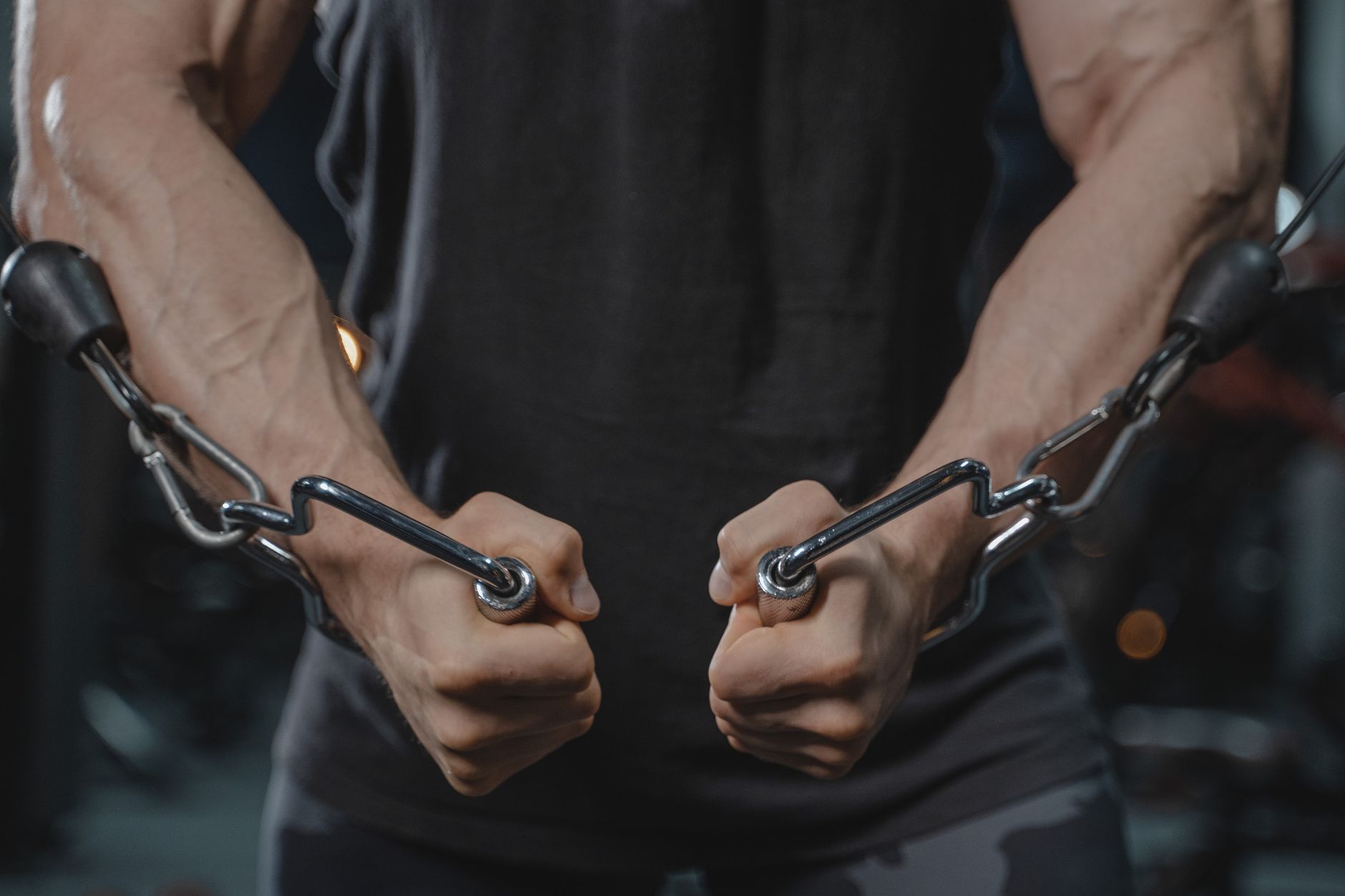
- Tricep Rope Pushdown – 3 sets of 12–15 reps
- Plank – 3 × 45 seconds
<