
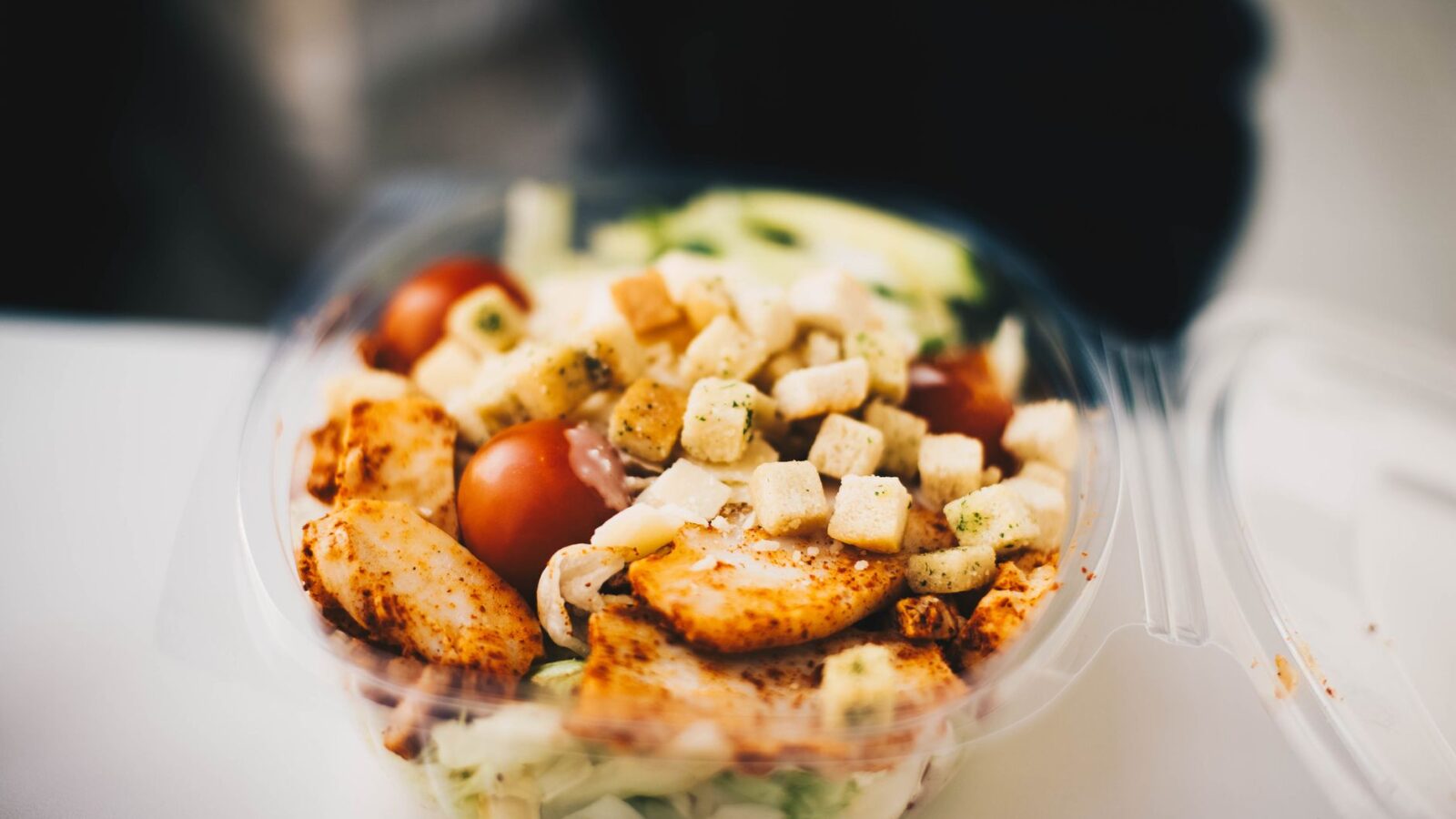
A budget muscle meal plan is essential when you’re just starting out on the gym grind, the first hurdle isn’t the weight on the bar or the set of dumbbells you’re using. It’s the food that fuels you. Consistent muscle building hinges on a steady stream of protein, carbs, and healthy fats – and that can feel like a luxury if your wallet is tight. The good news? You can build a muscle‑friendly meal plan that won’t break the bank.
In this guide I’ll walk you through a single, focused meal prep strategy that keeps your plates full, your budget intact, and your gains steady. Following this budget muscle meal plan will keep your nutrition on point without overspending. Think of it as a playbook you can copy, tweak, and run every week, no matter how many days you’re juggling work, life, and lifting.
Ready to learn how to stack plates, not debt? Let’s dive in.
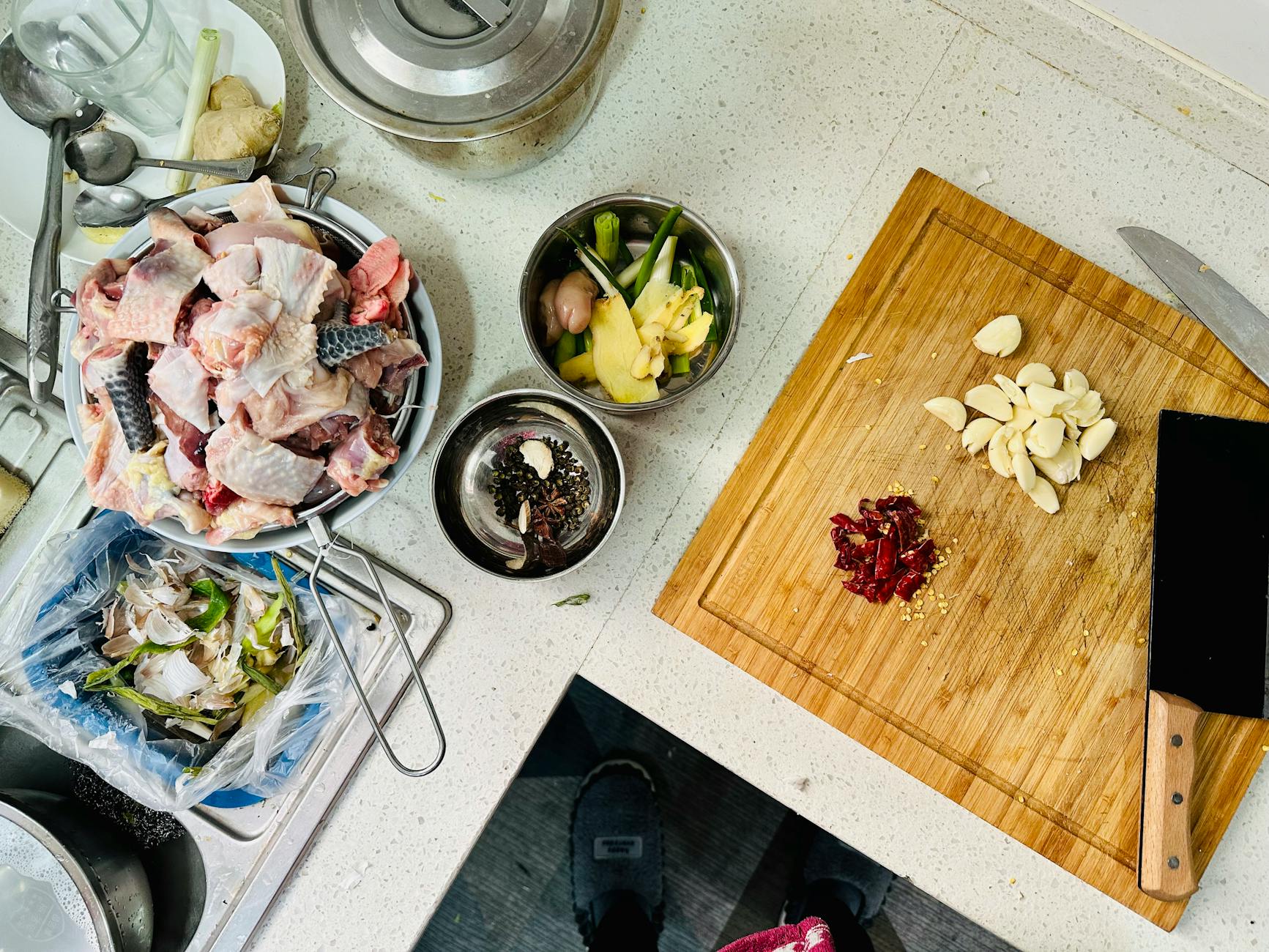
1. Start With a Budget Muscle Meal Plan Blueprint
The cornerstone of any muscle‑building diet is a clear macro plan. Even if you’re not a nutrition nerd, you can calculate a simple ratio that works for most beginners: 40% protein, 40% carbs, 20% fat. From there, adjust based on your energy levels and body composition goals. That’s why a budget muscle meal plan starts with a solid macro‑friendly blueprint.
Step 1: Know Your Daily Calorie Target
Use a basic online calculator or the Mifflin‑St Jeor formula to estimate your maintenance calories. Add 250–500 calories to that number for a lean bulge. If you’re on a tight budget, aim for the lower end of that range; you can always add a little more if you’re not seeing progress.
Step 2: Break It Down Into Macros
- Protein: 1.0–1.5 grams per pound of body weight. If you weigh 150 pounds, that’s 150–225 grams a day. Protein is the most expensive macro, but you can get it for less with certain staples.
- Carbohydrates: 40% of calories. Focus on complex carbs for steady energy.
- Fats: 20% of calories. Keep it simple with nuts, seeds, and inexpensive oils.
Write down the numbers. This will be your “recipe card” for the week.
Why a Blueprint Matters for Consistency
Without a clear plan, you’ll end up guessing or eating on impulse, which can derail muscle gains. A macro sheet forces you to track everything and keeps the budget in check because you know exactly how many servings of each food you need.
2. The Budget Muscle Meal Plan Batch‑Cooking Template
Batch cooking is the fastest way to stay on track. Instead of cooking every day, you cook a few big batches that last the week. Here’s a simple template that works for most people on a budget.
Day 1: Protein‑Packed Power Breakfast
- Egg whites or whole eggs (buy in bulk or on sale)
- Oatmeal with a scoop of whey or a spoonful of peanut butter
- Frozen berries for antioxidants
Cook a large pot of eggs and portion into containers. Add oatmeal in the morning; it’s cheap and filling.
Day 2: Lean Protein Lunches
- Chicken thighs or canned tuna (cheaper than breast)
- Brown rice or quinoa (buy in bulk)
- Steamed or roasted veggies (carrots, broccoli, or frozen mixed veggies)
Season the protein with a simple mix of salt, pepper, and dried herbs. Cook a big batch of rice and divide into containers. This lunch can be reheated or eaten cold.
Day 3: Post‑Workout Recovery Snack
- Greek yogurt or cottage cheese (look for sales)
- Banana or a handful of almonds
- Optional: a scoop of protein powder mixed in
Keep this snack ready in the fridge for those quick post‑lift moments.
Day 4: Dinner – The “One‑Pan” Approach
- Ground turkey or beef (choose lean cuts)
- Sweet potatoes or regular potatoes
- Spinach or kale (cheap when frozen)
Roast the meat, potatoes, and veggies together in a single sheet pan. It saves time and dishes.
Day 5: Protein‑Rich Snacks for the Rest of the Week
- Hard‑boiled eggs, beef jerky, or a homemade protein bar
- Hummus with whole‑grain crackers
- Mixed nuts
Store these in small containers or bags for on‑the‑go fuel.
Tips for Scaling the Template
- Use a freezer‑friendly container set to keep portions separate.
- Label each container with the day and meal to avoid confusion.
- Rotate the template every 4–6 weeks to keep taste variety and micronutrient balance.
3. Stretch Every Dollar with Smart Ingredient Swaps
Protein is usually the biggest expense, but you can still pack it in without overspending. Below are low‑cost, high‑protein options and ways to add fiber and flavor for free.
Protein Alternatives
- Eggs: One of the cheapest protein sources. Egg whites are pure protein; whole eggs add healthy fats.
- Legumes: Lentils, chickpeas, and black beans are cheap, high‑protein, and high in fiber.
- Canned Tuna or Salmon: On sale or store brand, they’re a great protein punch.
- Ground Turkey or Chicken: Usually cheaper than breast; choose the leanest cuts.
- Greek Yogurt: Look for large tubs or store brands.
Carb Swaps to Save Money
- Swap quinoa for brown rice or rolled oats.
- Use frozen veggies instead of fresh; they’re cheaper and have comparable nutrients.
- Bulk up with potatoes or sweet potatoes for volume and satiety.
Fat Sources on a Tight Budget
- Olive or canola oil for cooking.
- Peanut or almond butter in moderation.
- Chia seeds or flaxseed for omega‑3s.
- Avocado is a bit pricier, but a small amount can add a lot of flavor.