
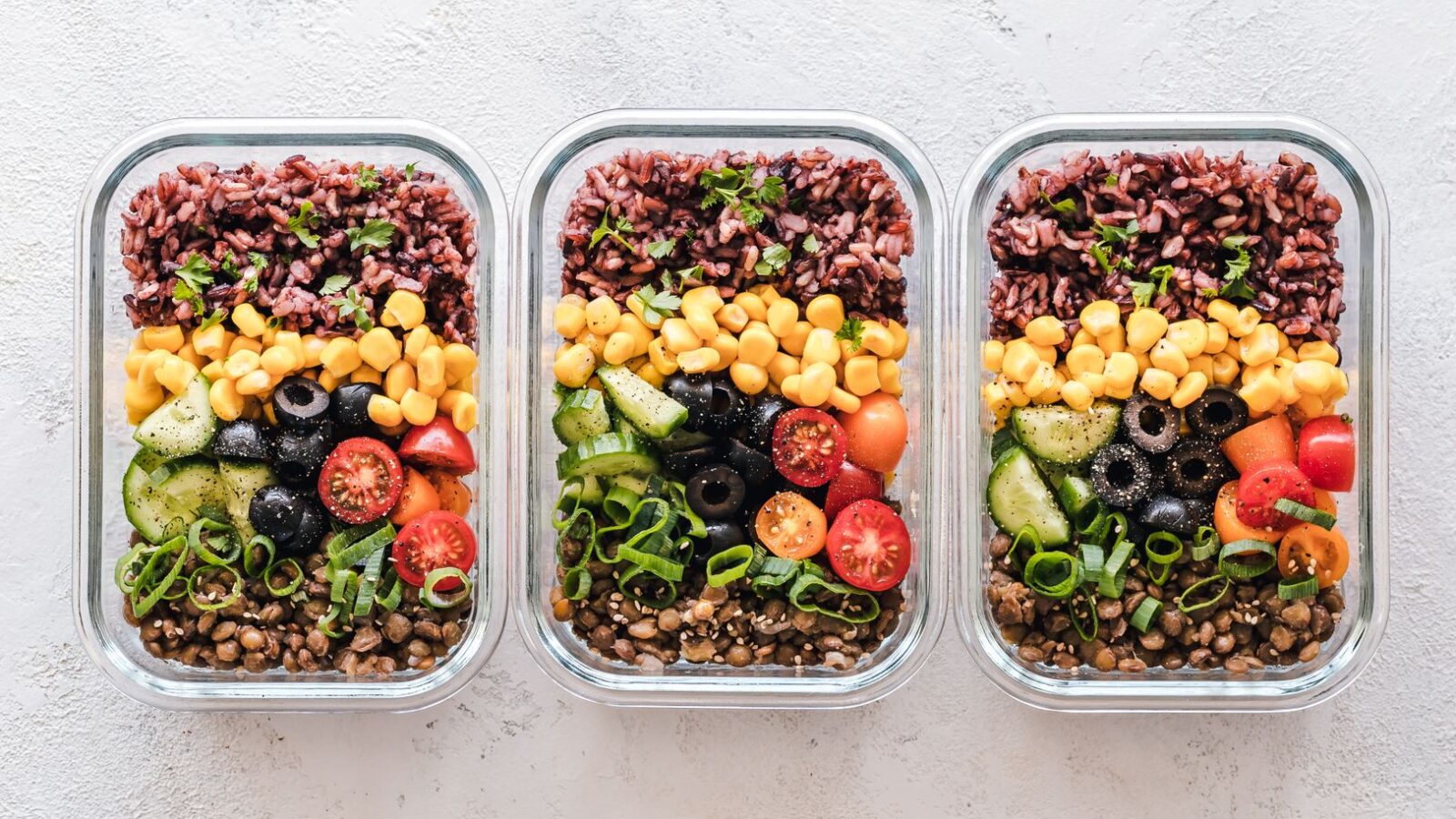
Hey there, gym rookie or seasoned lifter on a tight budget, let’s talk about intermittent fasting muscle and how it impacts your gains. You’ve probably seen posts about 16:8 or 18:6 schedules, and you’re wondering whether chopping out a chunk of the day will actually help you bulk up without blowing your wallet. I’m here to break it down, give you the facts, and help you decide if IF is a tool you should add to your training toolbox.
Muscle growth isn’t just about the weights you lift; nutrition and recovery play huge roles. Understanding intermittent fasting muscle dynamics can help you align your training with your eating window. If you can squeeze a fat‑loss or maintenance plan into a tighter eating window, you might keep the same caloric intake while still hitting those protein targets. That sounds pretty efficient, right? But the question is: does the science back up the hype, and can you do it without breaking the bank? Let’s dig in.

What Intermittent Fasting Muscle Really Means for Growth
Intermittent fasting isn’t a diet per se; it’s a pattern of when you eat. The most common formats are:
- 16:8 – 16 hours of fasting, 8 hours eating window.
- 20:4 – 20 hours fast, 4 hours eating.
- 5:2 – Normal eating five days a week, two non-consecutive days of ~500–600 kcal.
For muscle building, most folks gravitate toward the 16:8 or 20:4 models because they allow a single or two large meals after a workout. The idea is that by limiting the window, you might keep insulin levels lower overall, reduce fat gain, and still supply enough protein to support muscle repair.
But you might wonder: if you’re not eating for a long stretch, won’t your body break down muscle for energy? That’s a common concern. The answer hinges on a few key variables: total calorie and protein intake, workout timing, and how you split your meals.
Hormones, Protein Synthesis, and the Intermittent Fasting Muscle Window
When you fast, insulin drops, and glucagon rises. Lower insulin can help with fat loss, but it also means the body’s immediate fuel source is glycogen and stored fat. Many wonder if intermittent fasting muscle loss is inevitable; the truth is that with adequate protein and timing, muscle can be preserved. Muscle protein breakdown can increase if the body needs amino acids for energy, especially if you’re in a calorie deficit. However, research shows that as long as you consume adequate protein (roughly 1.6–2.2 g/kg body weight) and train in the fasted state, your body can still maintain or even build muscle.
A 2016 review in the Journal of Sports Sciences examined 11 studies comparing IF to time‑restricted feeding. The authors found no significant difference in lean mass gains when total protein and calories were matched. In some cases, IF led to slightly better fat loss, which can improve body composition. For further reading, see the guidelines from Harvard Health.
That said, the same review highlighted that most studies were short‑term (8–12 weeks) and involved trained athletes. For beginners, the hormonal response to fasting may be more pronounced, and the risk of losing a bit of muscle during the first few weeks is higher if protein is not carefully managed.
In short, the science suggests IF can work for muscle building if you’re smart about your nutrition and training. It’s not a magic bullet, but it’s a viable strategy for those who like the simplicity of a single or two meals a day.
Designing an IF Plan That Supports Muscle Growth
Below is a step‑by‑step example of how to structure a 16:8 day that aligns with a typical strength training routine. Feel free to swap the times to fit your schedule.
Morning (6:00 AM – 7:00 AM)
Wake up, hydrate with a glass of water or black coffee. If you’re a morning person, you can do a light warm‑up or mobility routine to get the blood flowing. Avoid heavy lifting before eating unless you’re comfortable with a short fasted workout.
Pre‑Workout (8:00 AM – 9:00 AM)
For most people, the best time to hit the gym is just before the eating window opens. This way, you can eat a protein‑rich meal immediately after the session, which is crucial for muscle repair. If you prefer a pre‑workout snack, keep it simple: a banana and a scoop of whey protein in water.
Eating Window (12:00 PM – 8:00 PM)
During this 8‑hour window, aim for 3–4 balanced meals. A sample split could be:
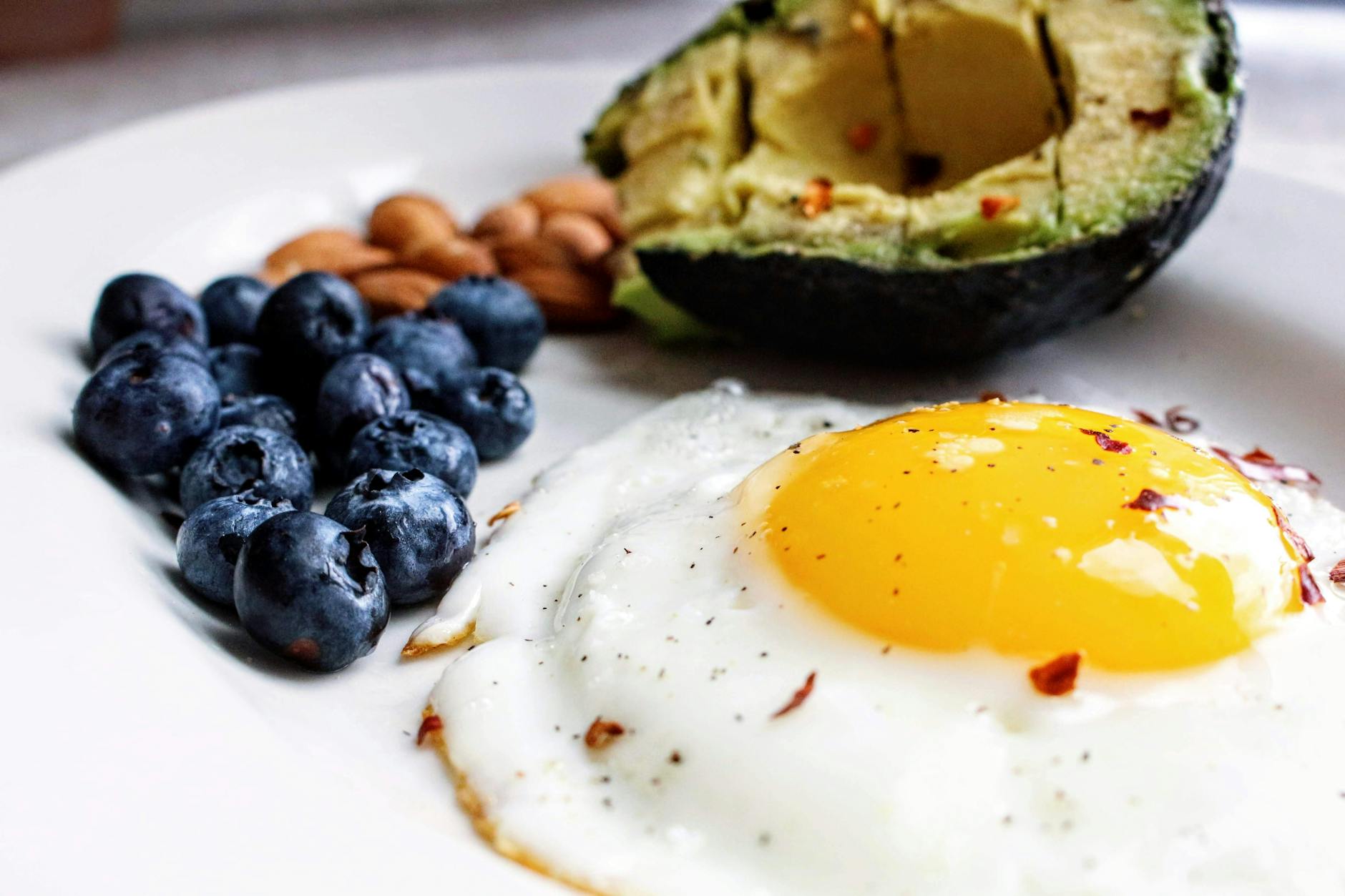
- Meal 1 (12:00 PM): Scrambled eggs, spinach, whole‑grain toast, and a handful of almonds.
- Meal 2 (3:30 PM): Grilled chicken breast, quinoa, broccoli, and a small avocado.
- Meal 3 (7:00 PM): Greek yogurt with berries and a scoop of protein powder, plus a piece of fruit.
Make sure each meal contains a good source of protein, complex carbs, and healthy fats. Keep the total calorie count at or slightly above maintenance to support growth.
Post‑Workout Nutrition
If you finish your workout in the early afternoon, a protein shake or a small meal within 30 minutes is essential. This “anabolic window” is still debated, but it’s a good rule of thumb to give your muscles a quick hit of amino acids.
Supplements (Optional)
Creatine monohydrate is the most cost‑effective supplement for muscle growth. A daily 5 g dose, taken anytime, works fine. If you’re fasting, you can mix it into your post‑workout shake. BCAAs or a small protein bar during the fast can help prevent muscle breakdown, but they’re not necessary if you hit protein targets.
Balancing Calories, Protein, and Timing Without Breaking the Bank
One of the biggest concerns with IF for beginners is hitting protein goals. Many people think they need to eat a ton of protein at once, but you can spread it out across the eating window. Here are some budget‑friendly protein sources:
- Eggs – cheap, versatile, high quality.
- Chicken thighs – cheaper than breast, still high protein.