
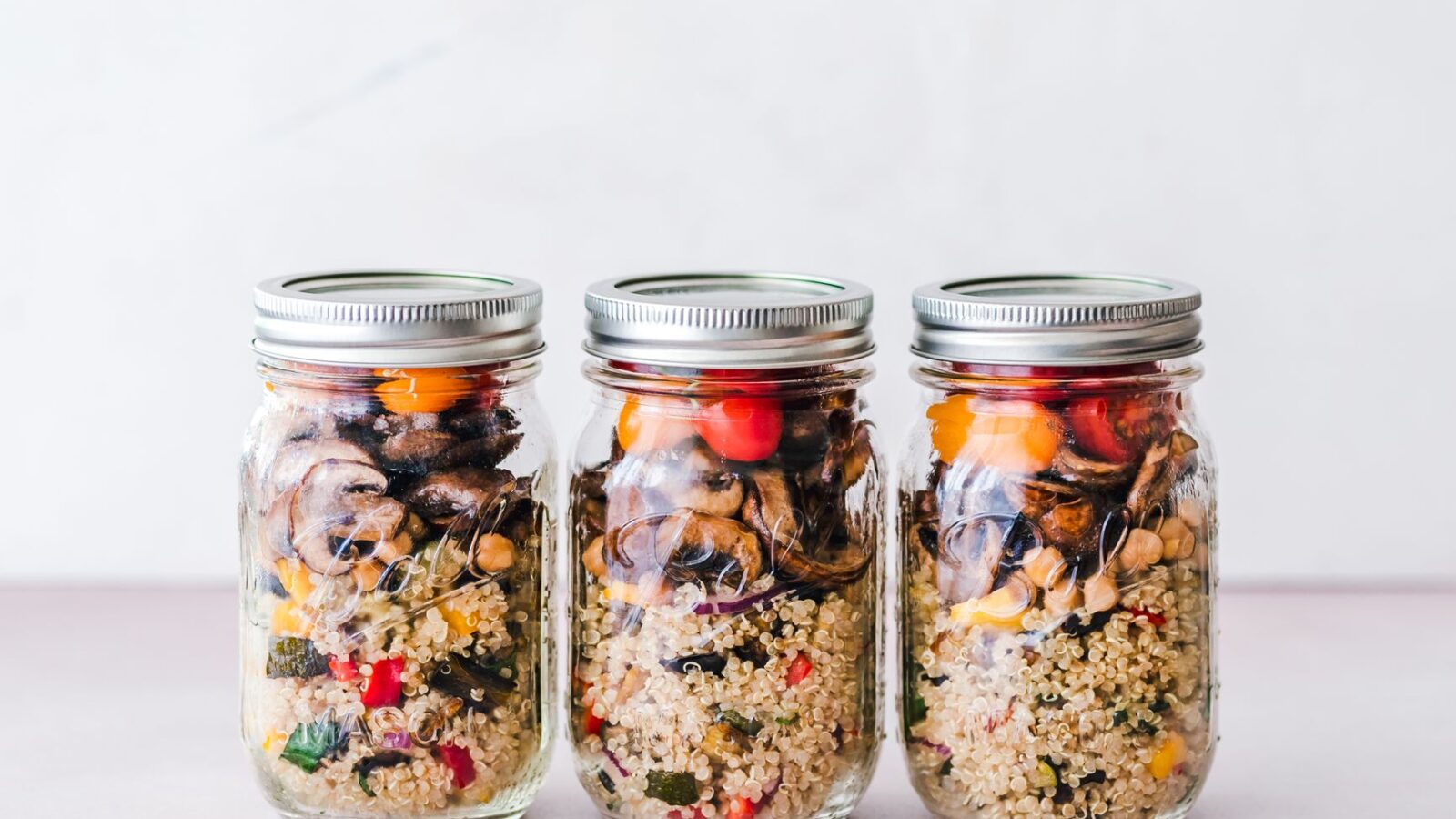
Why Meal Prep Muscle Gains Are the Secret Sauce
Meal prep muscle gains start with consistent nutrition, and every time you step into a gym and lift a heavier weight, you’re asking your body to adapt. But if the fuel you’re putting in isn’t consistent, the gains stall. For most people, the biggest obstacle isn’t the workout; it’s the kitchen. When you’re on a tight schedule or a tighter budget, it’s easy to slip into the “grab a snack and go” routine that’s high in junk and low in protein. That’s where meal prep steps in. By planning and preparing meals ahead, you lock in the right macros, keep your pantry stocked with affordable protein sources, and save time for training.
Think of meal prep as the base layer of a workout program. When you prioritize meal prep muscle gains, your body receives the steady nutrients it craves. Just as you need a solid warm‑up before a heavy lift, you need a steady stream of nutrients to build muscle. In this post, we’ll walk through a single, repeatable strategy that keeps your protein, carbs, and fats balanced, cuts out guesswork, and fits into a realistic budget. Whether you’re a college student, a full‑time worker, or a weekend warrior, the approach below is designed to be simple, scalable, and, most importantly, consistent.

1. Set a Macro Target for Meal Prep Muscle Gains
Before you even touch a grocery cart, you need a target. Muscle building requires a surplus of calories and a high protein intake, but that doesn’t mean you have to eat a ton of food. Here’s a quick way to calculate what you need.
- Step 1: Calculate Your Basal Metabolic Rate (BMR) – Use an online calculator or the Mifflin‑St Jeor equation. For a 25‑year‑old male weighing 160 lbs, the BMR is roughly 1,700 calories.
- Step 2: Add Activity Level – Multiply by an activity factor. For moderate gym sessions (3–4 times a week), use 1.55. That brings you to about 2,635 calories.
- Step 3: Add a Calorie Surplus – Add 200–300 calories to support growth. Target 2,800–2,900 calories per day.
- Step 4: Set Macro Ratios – A common split for muscle building is 40% protein, 40% carbs, 20% fat. That translates to:
- Protein: 280 grams (1 gram per pound of body weight)
- Carbs: 280 grams
- Fats: 63 grams
Once you have the numbers, you can use a spreadsheet or a simple note to keep track. The key is consistency—your body thrives on predictable inputs. Consistently monitoring your macros guarantees meal prep muscle gains are optimized. For additional guidance, check out our nutrition and meal plans.
2. Build a One‑Week Template Around Simple, Versatile Ingredients
Instead of chasing exotic superfoods, focus on a handful of staples that can be mixed and matched. Here’s a template that covers three meals a day plus two snacks. Feel free to swap proteins or veggies as long as the macros stay in place.
- Protein Sources (choose 2–3 per week):
- Chicken breast (cooked, 4 oz = 35g protein)
- Eggs (1 large = 6g protein)
- Canned tuna (3 oz = 20g protein)
- Dry lentils (1 cup cooked = 18g protein)
- Greek yogurt (plain, 1 cup = 20g protein)
- Carb Foundations:
- Brown rice (1 cup cooked = 45g carbs, 5g protein)
- Oats (1 cup cooked = 27g carbs, 6g protein)
- Sweet potatoes (1 medium = 26g carbs)
- Whole‑wheat pasta (1 cup cooked = 37g carbs)
- Healthy Fats:
- Olive oil (1 tablespoon = 13g fat)
- Peanut butter (2 tbsp = 16g fat)
- Almonds (1 oz = 14g fat)
- Avocado (1/2 medium = 10g fat)
- Vegetables & Fruits:
- Spinach, broccoli, bell peppers, carrots, berries, bananas, etc.
With this core set, you can create a variety of dishes: chicken stir‑fry, tuna salad, lentil soup, or egg‑oat breakfast bowls. The trick is to keep the cooking method consistent—roast, steam, or boil—to streamline prep.
Here’s a sample day using the template:
- Breakfast: Overnight oats with Greek yogurt, berries, and a tablespoon of peanut butter.
- Snack 1: Hard‑boiled eggs + a banana.
- Lunch: Grilled chicken breast + brown rice + steamed broccoli.
- Snack 2: Tuna mixed with avocado in a whole‑wheat tortilla.
- Dinner: Lentil stew with sweet potato and a side of spinach.
Each meal hits roughly 25–30 grams of protein, keeping your total within the target.
