
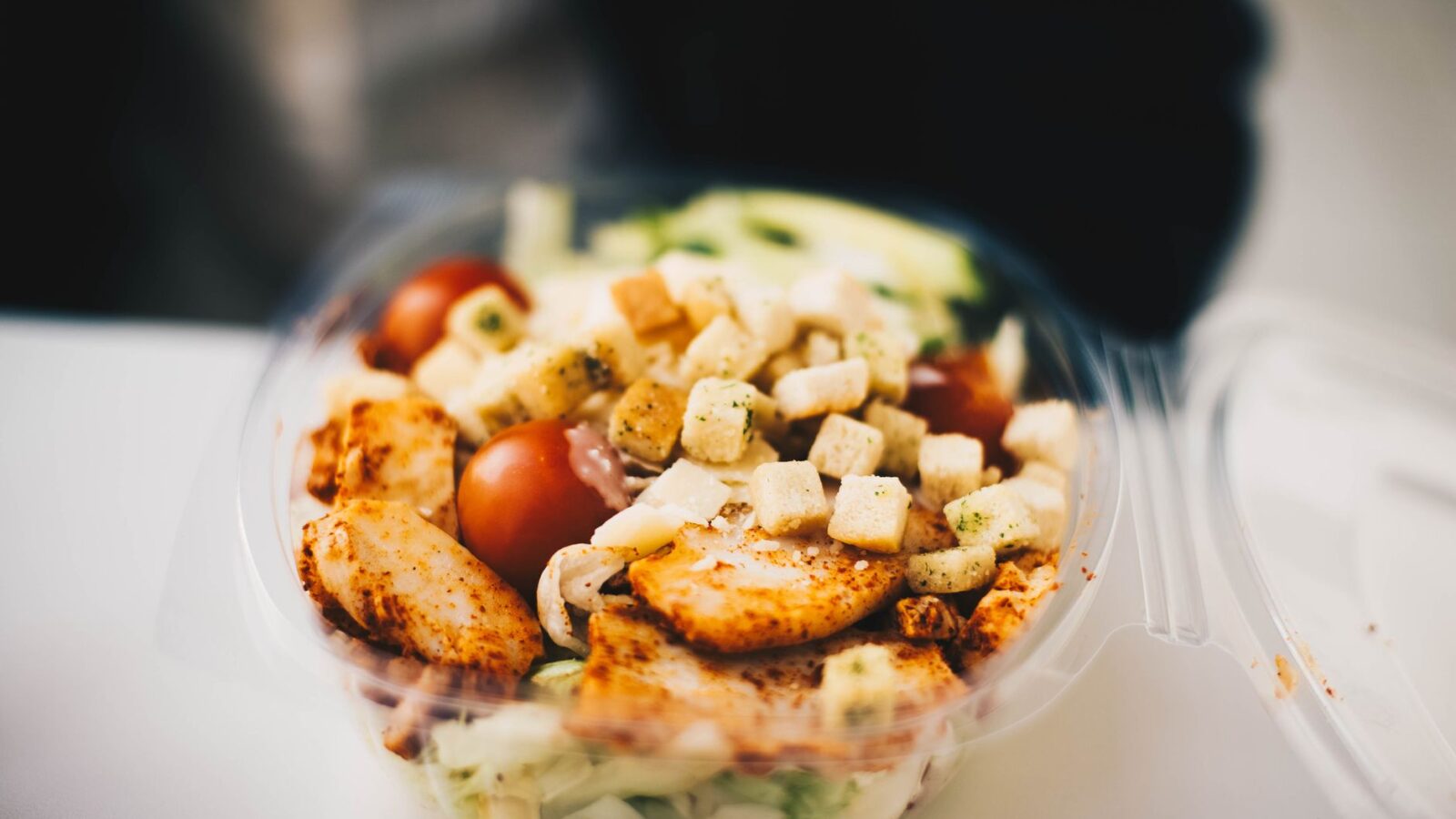
Budget muscle meal prep is a common struggle for beginners trying to build muscle while keeping their wallet happy. You hit the gym hard, but when you look at your pantry and kitchen, you’re not sure if you’re fueling those gains properly. The truth is, the most consistent muscle growth comes from a steady supply of protein, carbs, and fats—delivered at the right times—without breaking the bank.
That’s why a solid budget muscle meal prep system is your best ally. It gives you control over portion sizes, eliminates last‑minute takeout, and ensures you’re always ready to refuel after a workout. In this guide we’ll walk through a practical, budget‑friendly meal‑prep routine that keeps you on track for muscle building, even if you’re new to the gym or just starting to plan your meals.
Ready to turn your kitchen into a lean‑muscle factory without spending a fortune? Let’s dive in.

Understanding the Budget Muscle Meal Prep Macronutrient Blueprint
Before you grab a bag of rice or a carton of eggs, you need to know what your body needs. Muscle building demands a surplus of protein and a moderate amount of carbs and fats. Here’s a simple framework to guide your meal prep:
- Protein: Aim for 1.2–1.6 grams per kilogram of body weight each day. If you’re 70 kg, that’s roughly 84–112 g of protein per day. Spread it across 3–4 meals to keep your muscles fed.
- Carbohydrates: Carbs are your primary energy source. A good rule is 3–5 grams per kilogram, depending on training intensity. Keep a mix of complex carbs (brown rice, oats, sweet potatoes) and simple carbs (fruit, a splash of honey) for recovery.
- Fats: Healthy fats support hormone production and overall health. Target 0.8–1 gram per kilogram. Think nuts, seeds, avocado, and a small amount of olive oil.
When you’re prepping, keep a simple table in a notebook or a spreadsheet. Mark the grams for each macronutrient per meal and adjust as you track your progress. It’s a quick way to stay on target without memorizing every number. By following this budget muscle meal prep approach, you’ll hit your protein targets without overspending. For additional recipe ideas and guidance, see our nutrition and meal plans section.
Smart Shopping List for Budget Muscle Meal Prep
One of the biggest barriers to muscle‑building meals is cost. But if you shop strategically, you can keep expenses low without compromising nutrition.
Protein on a Budget
- Eggs – A dozen is usually under $3. They’re versatile and pack 6 g of protein each.
- Chicken thighs – Cheaper than breasts, but still high in protein. Buy in bulk and freeze.
- Ground turkey or beef – Look for sales or store brands. Cook in bulk, portion, and freeze.
- Dry beans and lentils – Plant‑based protein that’s cheap and fiber‑rich. Cook once, use in multiple meals.
- Greek yogurt or cottage cheese – Great for post‑workout snacks; buy larger tubs to split into servings.
Carbs That Don’t Break the Bank
- Brown rice – Buy in bulk; a 1‑kg bag costs less than a small container of quinoa.
- Oats – Cheap, filling, and can double as a pre‑ or post‑workout staple.
- Sweet potatoes – In season, they’re inexpensive and nutrient‑dense.
- Whole‑grain pasta – Often cheaper than specialty pastas and works well with protein.
Fats That Pack a Punch
- Peanut butter – A cost‑effective source of protein and healthy fats.
- Olive oil – Buy a small bottle and use for cooking or dressings.
- Chia seeds – A little goes a long way; add to smoothies or oatmeal.
- Almonds or walnuts – Buy in bulk or on sale; a handful is a great snack.
Seasonal produce is another money‑saving hack. When vegetables are in season, they’re cheaper and fresher. Plan your meals around what’s on sale that week, and you’ll keep costs down while adding variety.
Don’t forget to use coupons, loyalty cards, or bulk‑buying clubs. A little planning turns a grocery trip into a savings spree.

Batch Cooking and Storage Hacks to Keep Meals Ready
Meal prep is all about efficiency. The goal is to cook once, eat many times, and keep your food safe and fresh.
Choose the Right Cookware
- Large Dutch oven or pressure cooker for beans and stews.
- Roasting pan for veggies and proteins.
- Instant‑pot or slow cooker for hands‑off cooking.
When you cook, aim to produce three main components: a protein, a carbohydrate, and a veggie. That way, you can mix and match throughout the week. For example, make a batch of grilled chicken, a pot of brown rice, and roast a tray of mixed veggies.
Use Airtight Containers
Invest in a set of clear, stackable containers. This makes it easy to see what’s inside and keeps food fresh. Label each container with the date and meal type. If you’re short on space, use a freezer‑safe bag with