
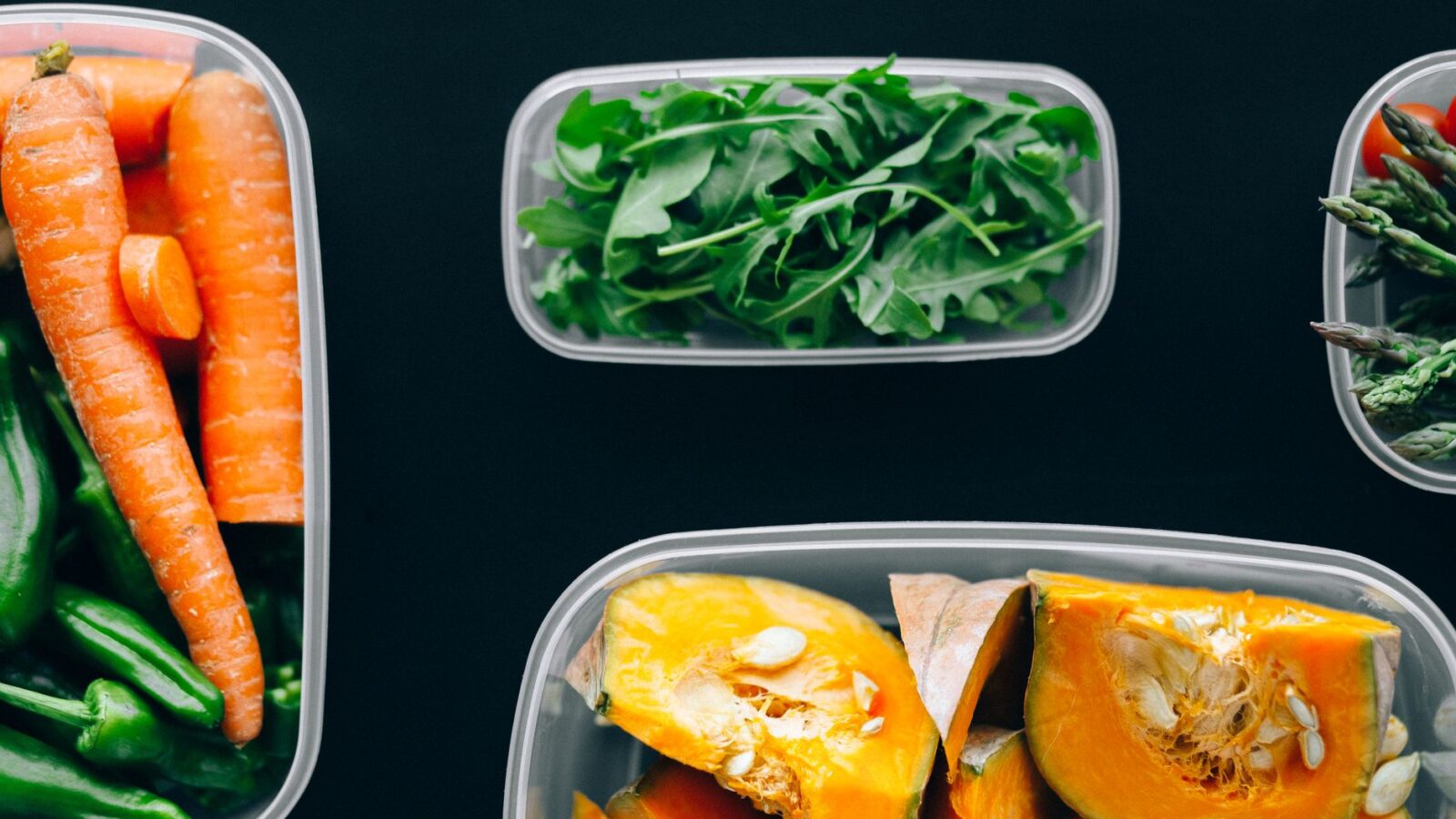
When you’re just starting out on a muscle‑building journey, the first thing people ask is how to use budget carbs muscle to fuel growth. That’s a great question, but there’s another fuel source that’s just as crucial and often gets a bad rap: carbohydrates. Using budget carbs muscle strategies can keep your nutrition affordable while still supporting growth. If you’re on a tight budget, you might think cutting carbs is the way to go, but that can actually slow your progress. In this post we’ll break down the science, give you practical, wallet‑friendly ways to incorporate carbs, and show you why they’re a cornerstone of strength and performance.
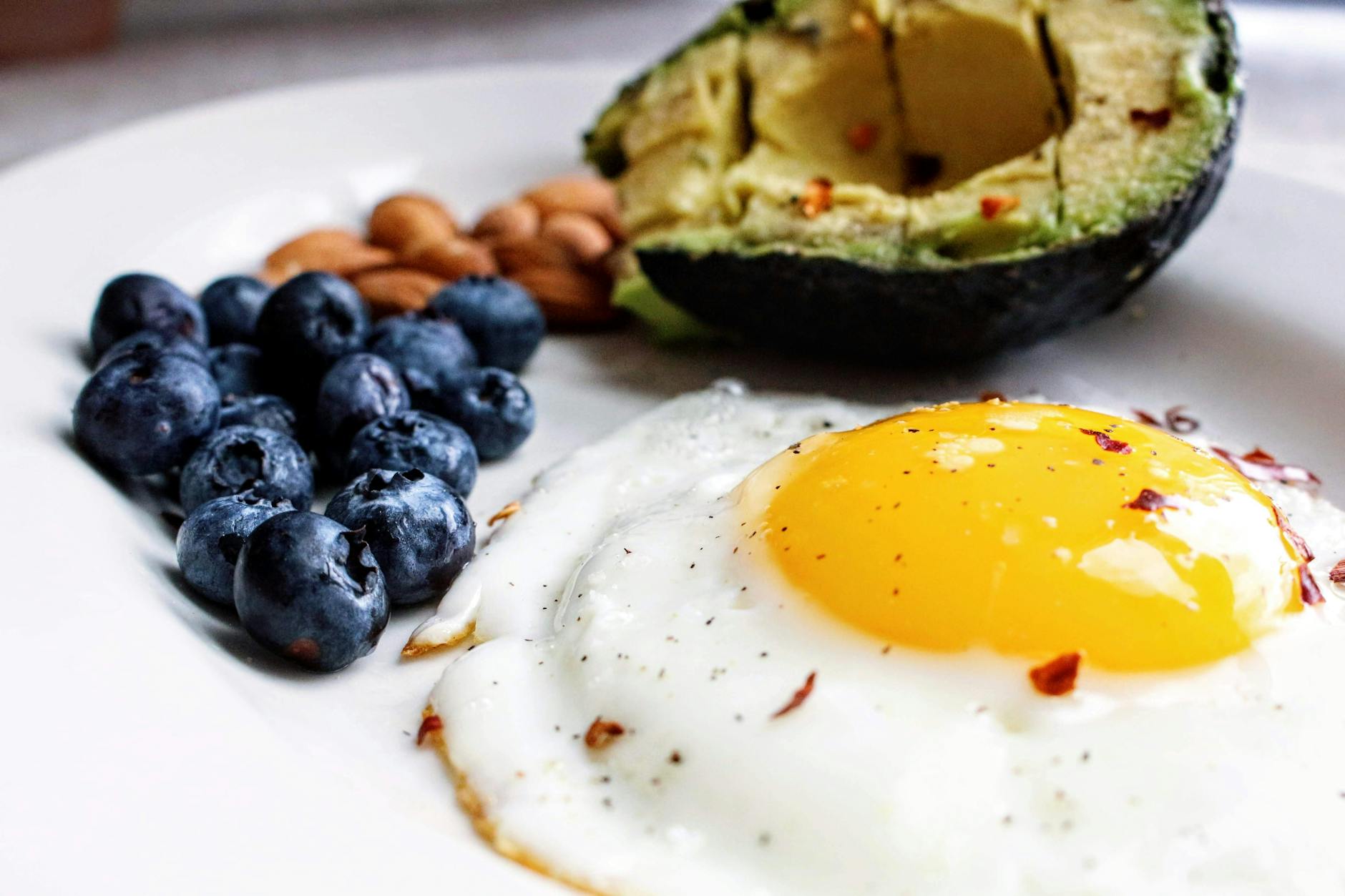
1. Budget Carbs Muscle Power Plant for Workouts
Think of glycogen, the stored form of glucose, as the quick‑fuel battery your muscles use during high‑intensity lifts and cardio bursts. When you lift a heavy bar or sprint, your body taps into that glycogen first before it turns to fat or protein. A depleted glycogen store means you’ll hit fatigue sooner, lift lighter, and recover slower. Even on a low‑cost training program, you need enough carbs to keep that battery charged. A budget carbs muscle plan ensures you’re not overspending on supplements.
Beyond energy, carbohydrates play a role in hormone regulation. Insulin, released after a carb meal, helps shuttle amino acids into muscle cells and signals the body to store nutrients rather than break them down. This is why a balanced meal with protein and carbs post‑workout can help lock in gains. Harvard Health provides extensive research on the importance of carbs for muscle recovery.
So if you’re looking to build muscle on a budget, skip the “carb‑free” hype. Instead, aim for smart, affordable carbohydrate choices that keep your energy high and your money in your pocket.
2. Picking Budget Carbs for Muscle on a Low Cost
Not all carbs are created equal, but you don’t need to buy fancy organic quinoa or premium sweet potatoes to get the benefits. The key is to balance quick‑acting carbs for pre‑ and post‑workout windows with steady‑release carbs that keep you fueled throughout the day.
- Complex carbs – whole grains, beans, oats, and brown rice provide a slow release of glucose. They’re inexpensive, especially when bought in bulk. A half‑cup of cooked brown rice costs a few cents, while a bowl of oats is similarly cheap.
- Simple carbs – fruit, honey, and a splash of fruit juice give a quick spike in blood sugar. They’re useful right before a session or immediately after to refill glycogen, but watch portion sizes to avoid excess calories.
When shopping on a budget, look for store brands, seasonal produce, and sales. A bag of frozen mixed berries is often cheaper than fresh and just as nutrient‑dense. Whole‑grain pasta and canned beans are pantry staples that fit any budget. budget‑friendly nutrition guides can help you plan meals that stay low‑cost. Remember, the goal is to keep your carb intake steady and predictable, not to chase the most exotic options.
Also, consider the glycemic index (GI). Low‑GI foods (like oats and sweet potatoes) release glucose slowly, keeping your energy stable. High‑GI foods (like white bread) can cause spikes and crashes. For a beginner, a mix of both is fine, but lean toward the low‑GI side for most meals.

3. Timing and Portioning: The Practical Carb Plan for Muscle Growth
Carb timing is a subtle art, especially when you’re new to training. Below is a straightforward plan that fits a typical 3‑day workout week and keeps costs low.
Pre‑Workout (30–60 minutes before)
Keep it simple: a banana, a slice of whole‑grain toast with a thin spread of peanut butter, or a small bowl of oatmeal. Aim for 30–50 grams of carbs. This fuels the first few sets of your session without feeling heavy.
During Workout (for sessions longer than 90 minutes)
For most beginners, a quick 15–20 gram carb drink (like a sports drink or a small scoop of maltodextrin) can help sustain performance. If you’re just hitting the gym for 45–60 minutes, this step can be skipped.
Post‑Workout (within 30 minutes)
Combine protein (20–30 grams) with 40–60 grams of carbs. A turkey sandwich on whole‑grain bread, a protein shake with a cup of frozen fruit, or a bowl of rice with beans works well. The carbs help replenish glycogen and kickstart recovery.
Throughout the Day
Distribute the rest of your carb needs across meals. A general guideline for a beginner who wants to build muscle is 3–5 grams of carbs per pound of body weight per day. If you weigh 150 lbs, that’s 450–750 grams of carbs. You can split this into 4–5 meals, using budget staples like rice, pasta, potatoes, and beans to hit the numbers.
Here’s a sample budget day:
- Breakfast: Oatmeal with a