
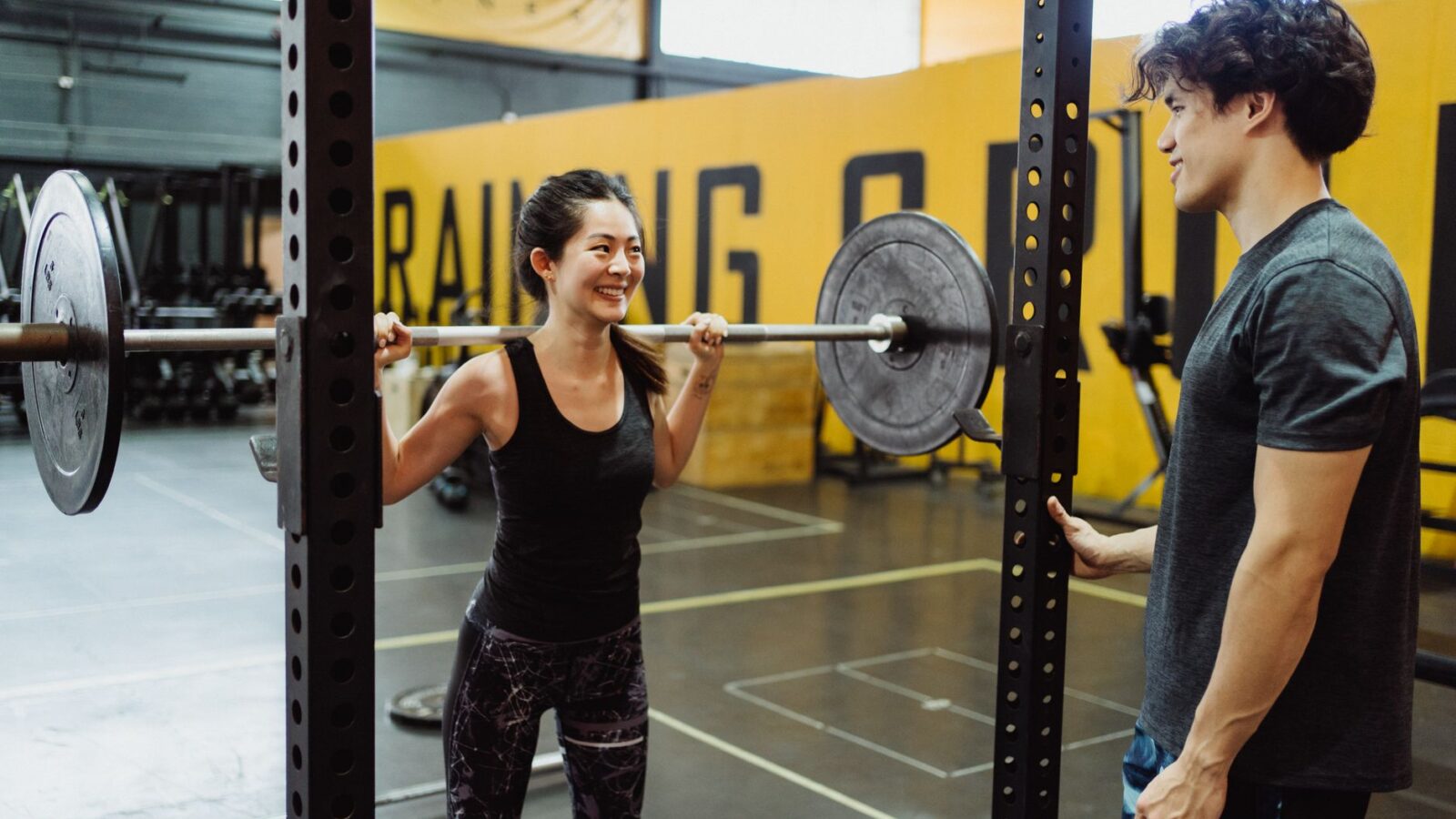
When you’re just starting out on a muscle‑building journey, many wonder about intermittent fasting muscle gain and how it fits into their plan. But what if the time you spend in front of the mirror isn’t the only factor? Intermittent fasting (IF) has become a buzzword in fitness circles, and a lot of people are asking: can you gain muscle while also skipping meals? The answer isn’t black and white. Let’s dive into the science, the practicalities, and the real‑world tricks that can help you decide if IF is a tool you want in your toolbox.

Understanding Intermittent Fasting Muscle Gain Basics
Intermittent fasting isn’t a diet in the traditional sense; it’s a pattern of eating. The most common protocols are the 16/8 method (fast 16 hours, eat during an 8‑hour window), the 5:2 approach (five normal days, two days of low calories), and the eat‑stop‑eat method (24‑hour fast once or twice a week). For beginners focused on muscle building, the 16/8 model is usually the easiest to slip into because it keeps you feeding during the day and only cuts out a chunk of nighttime sleep.
Why does this matter for muscle growth? Muscle protein synthesis (MPS) is triggered by protein intake and resistance training. If you’re not eating enough or if your workouts don’t line up with feeding windows, you might miss the optimal window for muscle repair. Understanding intermittent fasting muscle gain helps you align your feeding windows with training. That doesn’t mean IF is a dead end for gains, but it does require a bit of strategy.
Science‑Backed Insights: Intermittent Fasting Muscle Gain
Research on IF and muscle hypertrophy is still emerging, but several key findings help clarify the picture:
- Protein Timing Matters – Studies show that spreading protein throughout the day, especially within 30–60 minutes after a lift, maximizes MPS. In a fasted state, your body’s ability to synthesize muscle is slightly reduced, but it can still happen if you consume protein soon after training.
- Calorie Balance Is King – Even with IF, you can’t out‑eat a calorie deficit if you want to build muscle. You need a slight surplus (200–500 kcal above maintenance) to give your body the building blocks.
- Hormonal Shifts – Fasting elevates growth hormone levels, which can aid muscle preservation. According to Harvard Health, this spike can support intermittent fasting muscle gain when paired with proper nutrition. However, prolonged fasts may lower insulin sensitivity, making it harder to shuttle nutrients into muscle cells.
- Adaptation Over Time – Athletes who train consistently under IF can adapt. Their bodies become efficient at using the limited feeding window to fuel recovery.
In short, IF doesn’t automatically sabotage muscle growth. The research on intermittent fasting muscle gain shows mixed results, but timing is key. It just demands smarter planning around training and nutrition.

Putting It Into Practice: A Sample 16/8 Routine for Muscle Builders
Below is a realistic day that blends a 16/8 fasting window with a 3‑day split workout schedule. Feel free to tweak the times to fit your lifestyle.
Morning (7:00 AM – 9:00 AM): Fasted Warm‑Up
Start with a light cardio warm‑up (5–10 minutes on a bike or treadmill). This primes your body and gets the blood flowing without breaking the fast.
Workout (9:00 AM – 10:00 AM): Strength Session
Focus on compound lifts (squat, bench, deadlift) followed by a couple of isolation moves. Keep the intensity high but avoid over‑exerting; you’ll want to hit a decent volume without burning out.
Post‑Workout (10:00 AM – 10:15 AM): Protein Shake
Hit a fast‑digesting whey or plant‑based protein shake (20–30 g). Add a banana or a small handful of oats if you need extra carbs to replenish glycogen.
First Meal (12:00 PM – 12:30 PM): Balanced Plate
Chicken breast or lentils, quinoa or sweet potato, and a big salad with olive oil. Aim for at least 0.8–1.0 g of protein per pound of body weight.
Mid‑Day Snack (3:00 PM – 3:30 PM): Simple, Affordable
Greek yogurt with honey, or a turkey wrap made in a whole‑grain tortilla. This keeps your energy steady until the next meal.
Second Meal (6:00 PM – 7:00 PM): Hearty Dinner
Steak or tofu, brown rice, steamed broccoli. Finish with a small piece of dark chocolate if you’re craving something sweet.
Optional Late‑Evening Snack (8:30 PM – 9:00 PM): Protein‑Rich
If your fast ends at 8 PM, a low‑calorie casein shake or cottage cheese can help maintain a protein supply overnight.
Notice how all protein sources are clustered into a 6‑hour window. That’s the sweet spot for maximizing MPS while still enjoying the benefits of a fasted period.
Choosing the Right Training Split for IF
Not every training split plays well with intermittent fasting. The goal is to align heavy lifts with the feeding window. Here’s a simple approach:
- Day 1 – Upper Body (Post‑Fast) – Bench, rows, shoulder press, triceps, biceps.
- Day 2 – Lower Body (Post‑Fast) – Squats, deadlifts, lunges, calf raises.
- Day 3 – Core & Conditioning (Post‑Fast) – Planks, farmer’s walk, light cardio.
- Days 4–7 – Rest or Light Activity – Stretching, mobility work, or a brisk walk.
By scheduling workouts early in the feeding window, you can immediately refuel with protein and carbs, giving your muscles the nutrients they need for recovery.
Common Mistakes and How to Avoid Them
Even the best‑intentioned IF enthusiasts can slip into pitfalls that stall muscle growth. Spot these early to keep your gains on track.
- Skipping Protein After the Fast – Your body needs protein right after training. A post‑workout shake is non‑negotiable.
- Over‑Restricting Calories – Fasting can tempt you to eat only what’s left in the window. Remember, a slight surplus is essential for hypertrophy.
- Ignoring Strength Over Cardio – Excessive cardio during the fast can deplete glycogen and blunt recovery. Keep cardio light or schedule it after eating.
- Not Adjusting for Hormones – If you’re training hard every day, you may need to add a small pre‑workout snack (like a protein bar) to avoid muscle breakdown.
- Overestimating Fasted Gains – The growth hormone spike isn’t a free pass. You still need to lift heavy and eat enough.
Ask yourself: Am I getting enough protein