
When you’re just starting out at the gym and watching your grocery bill, this budget creatine guide will help you find ways to get more bang for every buck. One of the smartest, most affordable boosts you can add to a beginner’s routine is creatine. It’s the most studied supplement on the planet, and it’s as cheap as it gets once you find a decent bottle. If you’ve been wondering what it actually does, how to pick the right type, and when to pop it so you get the biggest lift in your gains, you’re in the right place.
Creatine isn’t a fancy protein shake or a pricey pre‑workout. It’s a simple, naturally occurring compound that lives in your muscles and fuels the high‑intensity work that builds strength and size. Because it’s so inexpensive and proven, it’s the go‑to for anyone who wants solid results without breaking the bank.
Ready to learn the science, the practical details, and the budget‑friendly tricks that turn a basic creatine routine into a muscle‑building powerhouse? Let’s dive in.
1. Budget Creatine Guide: What Is Creatine and Why Should You Care?
Creatine is a nitrogenous organic acid that the body makes from amino acids—specifically arginine, glycine, and methionine. About 95 % of it lives in your skeletal muscle, while the rest circulates in the blood and is stored in the liver, kidneys, and brain.
The main job of creatine is to regenerate adenosine triphosphate (ATP), the energy currency your muscles use during short, explosive bursts of activity. Think of it as a quick‑refueling station that lets you lift heavier, hit more reps, and push your muscles past their usual limits. In turn, that translates to increased muscle size and strength over time.
Because creatine is naturally found in foods like beef and fish, you’re already getting a baseline amount. But that baseline is usually around 1–2 g per day—far below the 3–5 g per day that research shows is optimal for performance gains.
Here’s what you’ll gain by adding creatine to your routine:
- Improved high‑intensity performance. More power in squats, bench presses, and sprints.
- Faster muscle recovery. Less soreness after a heavy session.
- Increased muscle volume. Creatine pulls water into cells, giving muscles a fuller look.
- Potential cognitive benefits. Some studies show better focus and memory under stress.
All of this comes from a small, inexpensive bottle that can last months, making creatine a staple for anyone who wants to see real gains without a hefty price tag.
2. Types of Creatine – A Budget Creatine Guide to Picking the Right One
When it comes to buying creatine, you’ll see a handful of names: creatine monohydrate, creatine hydrochloride, buffered creatine, and more. The most important fact is that creatine monohydrate is still the gold standard—it’s backed by decades of research, it’s cheap, and it’s safe.
Below is a quick comparison of the most common forms:
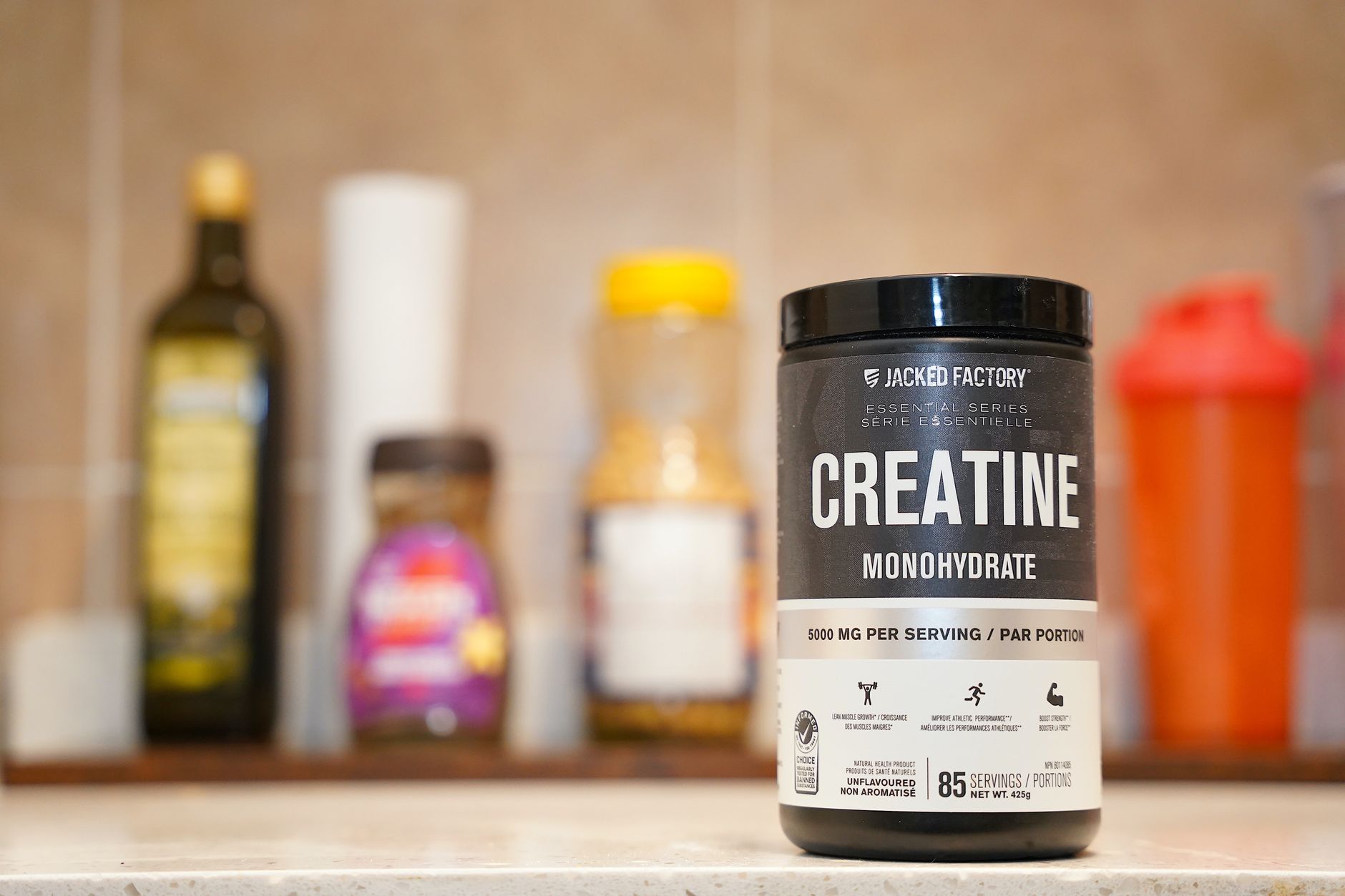
- Creatine Monohydrate – The classic form. 5 g per serving is typical. Dissolves well in warm water or a light beverage. Most people use it because it’s affordable and proven.
- Micronized Creatine – Same chemistry as monohydrate, but with smaller particles that dissolve faster. Good if you’re sensitive to grit in the powder.
- Creatine HCL – Chemically different, often marketed as “no‑water‑weight.” It’s more soluble, so you can use a smaller dose (2–3 g). Price tends to be higher, and long‑term data is limited.
- Buffered Creatine (Kre-Alkalyn) – Claims to stay stable in the stomach. The evidence is mixed, and it’s usually more expensive.
- Creatine Ethyl Ester – Designed for better absorption, but studies show it’s no better than monohydrate and can cause stomach upset.
For a beginner on a budget, this budget creatine guide recommends sticking with micronized creatine monohydrate. It’s the most cost‑effective and reliable. Look for a reputable brand that’s third‑party tested—this ensures purity and that you’re actually getting the dose advertised. For more supplement options, check out budget‑friendly supplement ideas.
When buying, consider these practical tips:
- Buy in bulk. A 500‑g tub can last 4–6 months if you’re taking 5 g daily.
- Choose a plain powder. Flavored options add extra sugar and cost.
- Check for a “crystal” or “free‑flowing” texture. That means fewer clumps.
3. Dosage, Timing, and Cycling: The Practical Playbook
Contrary to old myths, you don’t need a long, complicated loading phase. Modern research shows that a simple, steady dose works just as well and cuts down on water retention and stomach discomfort.
Standard dosing protocol:
- Loading (optional) – 20 g per day split into 4 servings for 5–7 days. This saturates your muscles quickly.
- Maintenance – 3–5 g once daily after a workout or at a convenient time. Consistency beats timing for most people.
- Timing – Taking creatine post‑workout with a carbohydrate‑protein mix can aid absorption. If you’re not timing it, just keep a daily reminder.
- Hydration – Drink plenty of water. Creatine pulls water into muscle cells, so staying hydrated prevents cramping and keeps kidneys happy.
- Cycle (optional) – You can cycle 4–6 weeks on, 2–4 weeks off. Most users find no need to cycle, but a short break can keep the body’s natural production steady.
For a beginner, the simplest approach is to skip the loading phase, take 5 g daily, and stay consistent. That’s what most people do in the long run and it’s perfectly safe.
Now let’s break down a day in the life of a creatine user:
- Morning – If you train in the morning, mix 5 g with a glass of water or your pre‑workout shake.
- After Work – If you train later, add it to a post‑workout smoothie or a protein shake.
- Remember to keep a bottle in the fridge or a cool spot to avoid clumping.
Because creatine is so affordable, you can experiment with timing a bit. Some folks swear by taking it with a carb source (like a banana or a small meal) to boost insulin and drive uptake. Others take it at night with a glass of milk. The key is regularity.

Practical Tips and Common Mistakes to Avoid
Even though creatine is straightforward, a few pitfalls can reduce its effectiveness or cause