
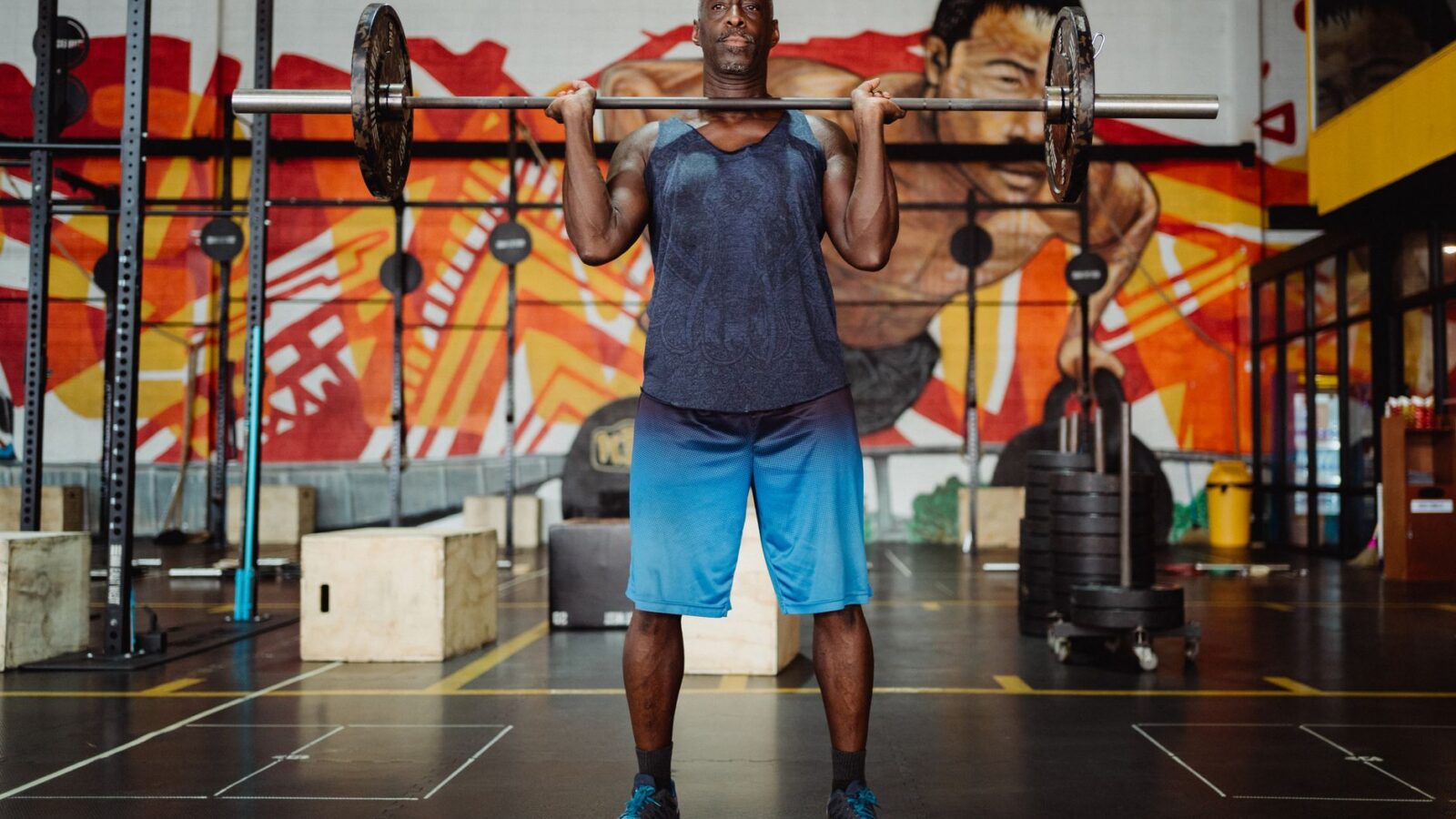
Ever felt stuck in a cramped apartment, a hotel room, or a cramped office, thinking a dumbbell full body workout requires a gym, a barbell, or pricey equipment? Think again. A pair of dumbbells is a portable, affordable, and surprisingly versatile tool that lets you hit every major muscle group with a single, compact set. Whether you’re a student living in a dorm, a freelancer working from a coffee shop, or just someone who wants to stay strong without a gym membership, this routine shows you how to build real, sustainable strength anywhere.
What makes a dumbbell‑only routine so powerful? First, the freedom to move. Dumbbells let you perform unilateral work, balance training, and creative variations that a barbell can’t match. Second, they’re inexpensive. A solid pair of adjustable dumbbells can cost under $100, and if you’re on a tight budget, you can even repurpose grocery‑store weight plates or water bottles for a few simple moves. And finally, the time savings. With a single set, you can run a full‑body workout in 30–40 minutes, making it perfect for busy schedules. This dumbbell full body workout delivers a balanced mix of strength and cardio for busy lifestyles.
Ready to roll up your sleeves and get started? Let’s dive into a complete, dumbbell‑only full‑body workout that you can do in a hotel, a living room, or a park. No excuses, no fancy gear, just your body, a pair of dumbbells, and a willingness to push forward.
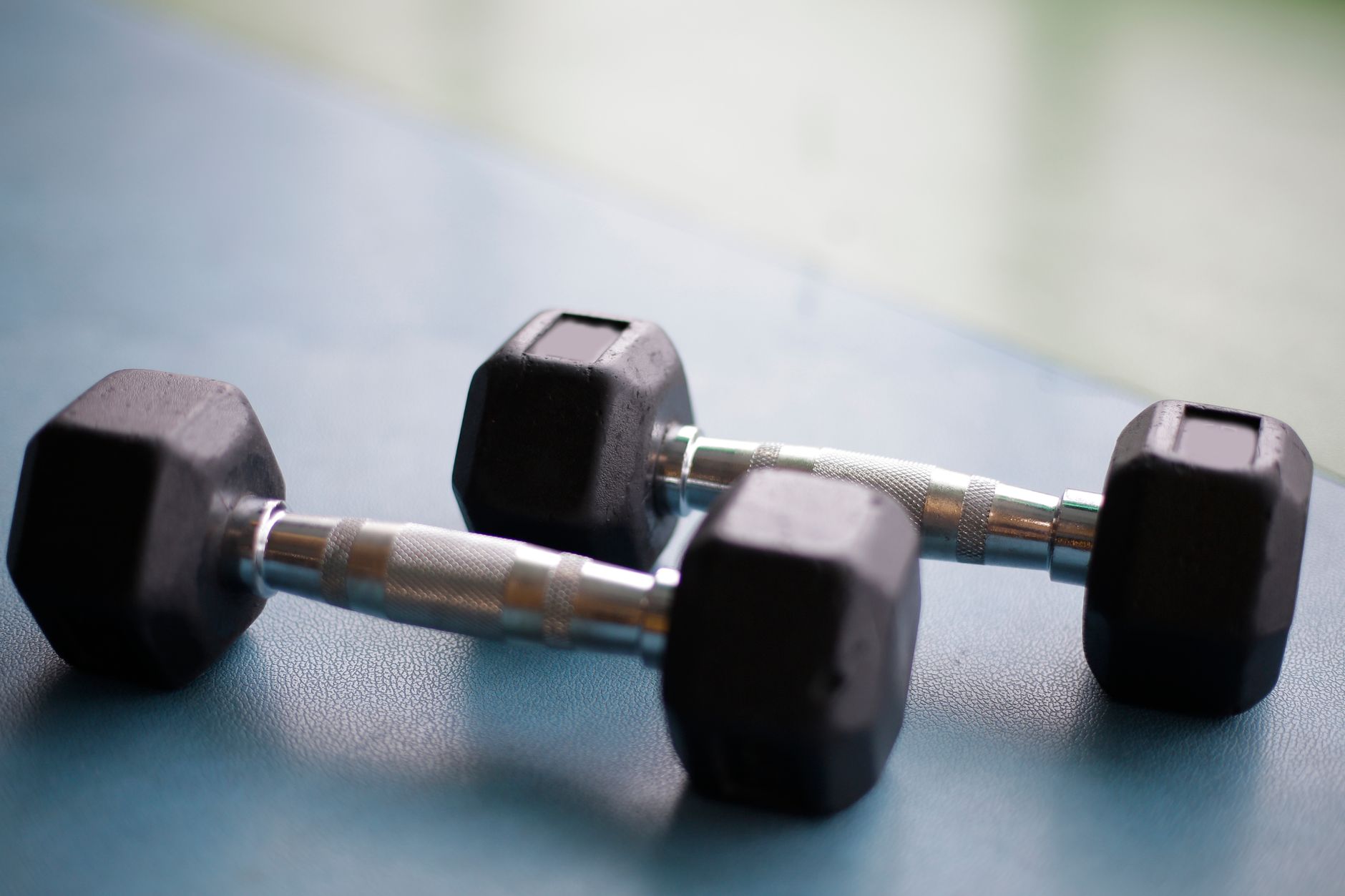
Why a Dumbbell Full Body Workout Is the Go‑To Gear for Anywhere Strength Training
When you think of muscle building, you might picture a crowded gym, a heavy barbell, or a pricey membership. The reality is that the most effective training tools are often the simplest. Dumbbells offer several key advantages that make them ideal for beginners and seasoned lifters alike:
- Portability – A small set of dumbbells can fit in a backpack or carry‑case. You can take them from the office to the park to a friend’s house with no hassle.
- Versatility – From squats to curls, from presses to rows, a dumbbell can target almost every muscle group. Unilateral movements also improve core stability and correct imbalances.
- Cost‑effectiveness – Adjustable dumbbells start around $80 for a good pair. If that’s still out of reach, look for second‑hand sets or even use household items like sandbags or filled milk jugs for a few exercises.
- Space efficiency – A single pair of dumbbells takes up less than a square foot of floor space. Perfect for tiny apartments or shared living situations.
- Progressive overload – Incrementally adding weight or volume is straightforward with dumbbells. You can adjust the load by swapping plates or adding small increments as your strength improves.
Because of these benefits, a dumbbell‑only routine can deliver the same hypertrophy and strength gains you’d expect from a full gym setup, provided you follow a structured plan and keep the intensity high.
The 5‑Exercise Dumbbell Full Body Workout – 3 Sets, 8–12 Reps Each
Below is a concise, balanced routine that covers all the major muscle groups. The order is designed to maximize efficiency: start with compound movements that demand the most energy, then move to isolation and accessory work. Aim to perform this circuit 3–4 times per week, giving yourself at least one rest day in between sessions. Following this dumbbell full body workout will engage every major muscle group in just 30 minutes.
1. Goblet Squat
Hold a dumbbell close to your chest with both hands, elbows pointing down. Squat down until your thighs are parallel to the floor, keeping your chest up and knees tracking over your toes. Push through your heels to return to standing.
- Targets: Quadriceps, glutes, hamstrings, core.
- Tip: If you’re new to squats, start with a lighter weight or even a body‑weight version to master form before adding load.
2. Bent‑Over Reverse Fly
Stand with feet hip‑width apart, bend at the hips with a slight knee bend, and let the dumbbells hang toward the floor. Keep a neutral spine and a slight bend in your elbows. Raise the weights out to the sides until your arms are parallel to the ground, then lower slowly.
- Targets: Rear delts, upper back, traps.
- Tip: Keep the motion controlled; avoid swinging the weights to maintain muscle tension.
3. Single‑Arm Dumbbell Bench Press (or Floor Press)
Lie on a bench, or on the floor if no bench is available. Hold a dumbbell in one hand, arm fully extended. Lower the weight until your elbow is at a 90‑degree angle, then push back up. Switch arms after completing the set.
- Targets: Chest, anterior delts, triceps.
- Tip: Use a spotter or a sturdy surface if you’re pushing heavy; safety first.
4. One‑Arm Dumbbell Row
Place one knee and hand on a bench or sturdy chair for support. With the other hand, pull the dumbbell toward your hip, keeping the elbow close to your body. Lower back down with full control. Switch sides after the set.
- Targets: Lats, rhomboids, biceps.
- Tip: Maintain a tight core to protect your lower back.
5. Overhead Dumbbell Press
Sit or stand with feet shoulder‑width apart. Hold a dumbbell in each hand at shoulder height, palms facing forward. Press upward until arms are fully extended. Lower slowly.
- Targets: Shoulders, triceps, upper chest.
- Tip: Keep your elbows slightly bent at the top to avoid locking out and reduce joint strain.
For a balanced routine, alternate sides for unilateral exercises (rows, presses) and perform each movement for 3 sets of 8–12 reps. Rest 60–90 seconds between sets. If you’re feeling strong, add a fourth set or increase the weight by 5–10 pounds.
Progressing Your Dumbbell Routine – Volume, Tempo, and Variations
Muscle growth thrives on progressive overload. Here are three simple, budget‑friendly ways to keep the stimulus moving upward without buying new gear.
1. Increase Reps or Sets
Once you can comfortably hit 12 reps on all sets, add an extra set or push to 15 reps. This incremental volume increase forces your muscles to adapt and grow.
2. Slow Down the Tempo
Try a 3‑second eccentric (lowering) phase and a 1‑second concentric (lifting) phase. Slowing the movement increases time under tension, a proven trigger for hypertrophy.
3. Add Unilateral Variations
Swap a goblet squat for a Bulgarian split squat or a single‑leg deadlift. For rows, try a single‑arm renegade row to hit core stability. These variations keep the routine fresh and challenge your balance.
4. Use Household Items for Extra Load
If you’re out of weight plates, fill a backpack with books or use a bag of rice. Even a large water bottle can add 5–10 pounds. The key is to keep the load controlled and the form intact.
5. Track Your Progress
Keep a simple log: weight, reps, sets, and how you felt. Use