

When you’re just starting out at the gym, this budget creatine guide helps you juggle a tight budget, a busy schedule, and the urge to see real gains. One supplement that can give you a lift without breaking the bank is creatine. It’s been studied for decades, works in a predictable way, and fits neatly into a beginner’s routine. If you’re wondering whether it’s worth the investment and how to use it properly, this guide is for you.
Creatine isn’t a fancy protein powder or a pricey pre‑workout mix. It’s a small, naturally occurring compound that your body produces in the liver and kidneys and finds in meat and fish. Adding a bit more to your diet can boost your strength, power, and recovery, and it does so for a fraction of the cost of most supplements.
Ready to see how a single, inexpensive powder can change your lifts? Let’s dive into the science, the practicalities, and the everyday hacks that keep your wallet happy.
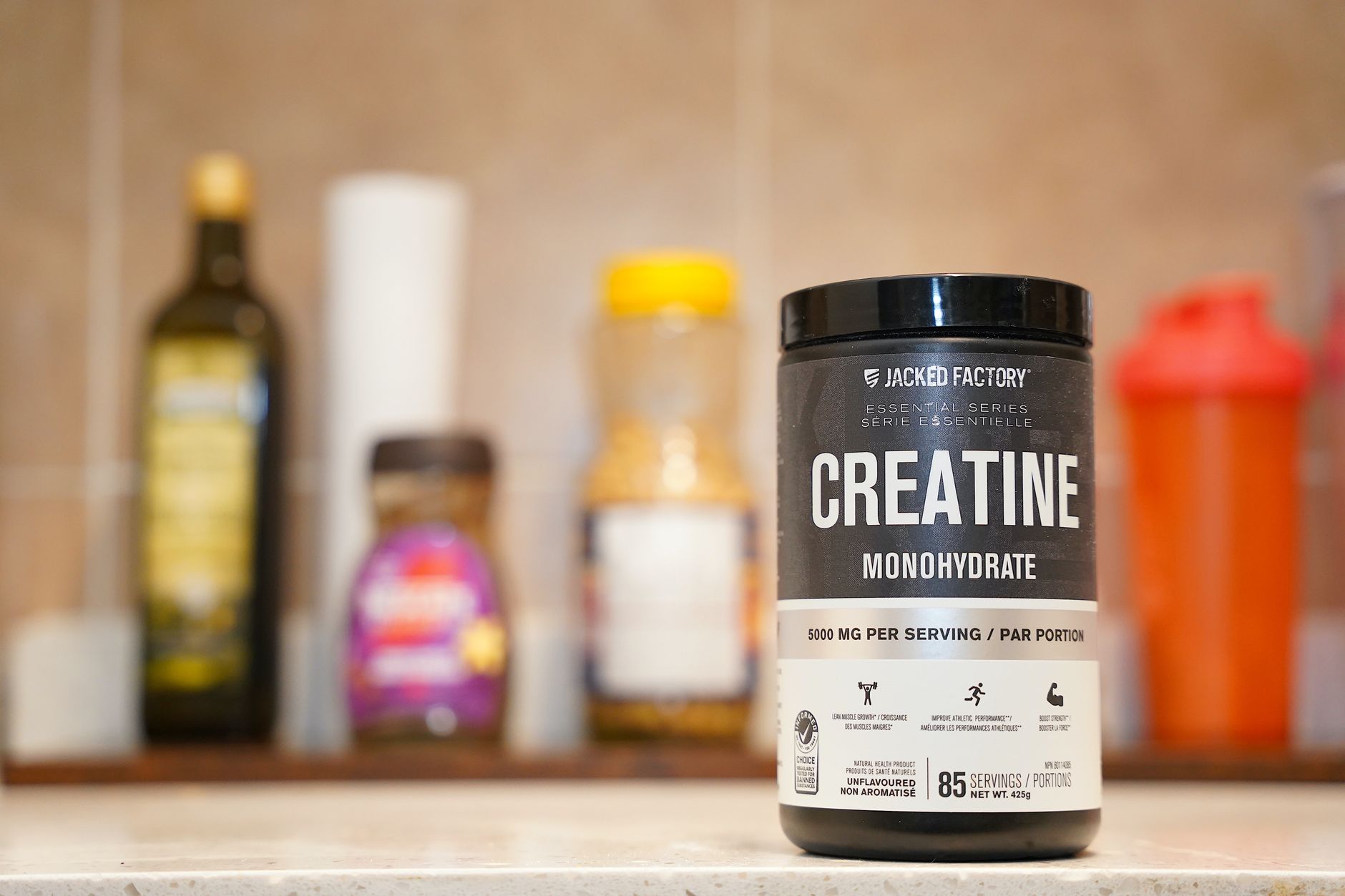
What Creatine Is and Why It Matters in a Budget Creatine Guide
Creatine is a nitrogenous compound made from three amino acids: arginine, glycine, and methionine. Your muscles store it as phosphocreatine, a quick reservoir of energy that fuels short bursts of high‑intensity work—think a 5‑second sprint, a heavy squat, or a bench press set. When your body needs a rapid surge of ATP (the energy currency), phosphocreatine donates a phosphate group, regenerating ATP faster than your mitochondria can.
Because it’s a buffer against fatigue, creatine lets you push harder, lift more, and train with greater volume. Over time, that translates to muscle hypertrophy, better strength gains, and faster recovery between sessions.
Here are the key benefits you’ll notice:
- Increased Strength and Power: Most studies show a 5–15% boost in one‑rep maxes after a few weeks of supplementation.
- Enhanced Muscle Size: The extra water retention in muscle cells creates a fuller look and sets the stage for protein synthesis.
- Improved Recovery: Creatine can reduce muscle damage markers and speed up glycogen replenishment.
- Neuroprotective Effects: Emerging research suggests creatine may support brain health, though that’s beyond the scope of muscle building.
Because of these effects, creatine is often the first supplement recommended for beginners who want a reliable, evidence‑based boost. This budget creatine guide demonstrates why it’s a smart, cost‑effective choice for newcomers.
Types, Dosing, and How to Pick the Right Product in a Budget Creatine Guide
Not all creatine looks the same, and that matters when you’re on a budget. The most studied and affordable form is creatine monohydrate. It’s cheap, stable, and effective. Other variants—like micronized, buffered, or creatine HCL—are marketed as “better” but often cost more without clear evidence of superiority for beginners.
When choosing a creatine monohydrate, look for:
- Pure Powder: No added fillers or artificial sweeteners. A simple 100% monohydrate label is a good sign.
- Micronized: Finer particles dissolve better in water, reducing clumping.
- Reputable Brand: Check for third‑party testing (e.g., NSF, Informed‑Choice) to confirm purity. For budget‑friendly options, you can also consult the supplements guide.
Now, let’s talk dosing. The classic approach has two phases:
- Loading Phase (optional): 20 grams per day, split into 4 servings, for 5–7 days. This saturates muscle stores quickly.
- Maintenance Phase: 3–5 grams per day to keep levels elevated.
Research from Harvard Health supports the safety of creatine for most adults. Skipping the loading phase is fine, especially for beginners. You’ll just reach full saturation in about 3–4 weeks instead of a week, and the end result is the same. Loading can feel like a lot of powder, but you can dilute it in a larger glass of water or mix it with a sports drink if you prefer. Following this budget creatine guide will keep your costs low while you see gains.
For a budget‑friendly routine, pick a single 300‑gram bottle of micronized creatine monohydrate. At $15–20, that’s less than a single protein shake per month.
When, How, and With What You Should Take Creatine
Timing isn’t a huge deal with creatine, but pairing it with certain foods or drinks can help absorption. Here’s a simple, inexpensive approach:
- Post‑Workout: Mixing creatine with a carb‑protein shake (e.g., whey protein + banana) leverages the insulin spike to shuttle creatine into muscle cells.
- Anytime: If you’re on the go, just mix with water and drink. Consistency matters more than the exact time.
Hydration is critical. Creatine pulls water into muscle, so aim for at least 2.5–3 liters of water daily, especially on training days. A cheap reusable water bottle and a simple “water reminder” app can keep you on track.
Some people mix creatine with coffee or other stimulants, but that can cause stomach discomfort for some. Stick to plain water or a light fruit juice if you’re sensitive.
Finally, don’t overthink the dose. 5 grams is enough to maintain saturated levels. If you’re on a tight budget, buying a smaller bottle (200 grams) and buying a second one later can stretch your supply further.

Common Mistakes and How to Avoid Them
Even a simple supplement can trip you up if you’re not careful. Here are the most frequent blunders and how to dodge them:
- Skipping the Maintenance Dose: After the loading phase, many people forget to keep taking it. Consistent daily dosing is the key to staying saturated.
- Mixing with Hot Drinks: Heat can degrade creatine. Always use cold or room‑temperature liquids.
- Ignoring Water Intake: Dehydration can increase the risk of muscle cramps. Keep a bottle handy during workouts.