

When you’re starting out in the gym, the budget creatine guide reminds you that the first thing that comes to mind is probably the dumbbell you’re holding or the treadmill you’re running on. But there’s a small, inexpensive powder that can make a big difference in how quickly you see muscle gains. That powder is creatine. It’s one of the most studied supplements on the planet and it works for people of all experience levels, from first‑time lifters to seasoned pros.
As a beginner on a budget, you might wonder if investing in a supplement is worth it, or if you’ll spend a fortune chasing the next “trend.” The good news is that creatine is one of the cheapest ways to boost strength and hypertrophy without breaking the bank. And because it’s backed by science, you can feel confident that you’re putting something real into your body that actually helps you lift heavier and recover faster. Harvard Health notes that creatine supplementation is generally safe for healthy adults.
Following this budget creatine guide will help you stay focused on results without overspending.
In this post, we’ll break down what creatine really does, how to use it so you get maximum benefit, and why it’s a smart choice for anyone who wants to build muscle without spending a lot. This budget creatine guide also outlines how to choose the right product and avoid pricey gimmicks. Let’s get into the nitty gritty of this humble compound.
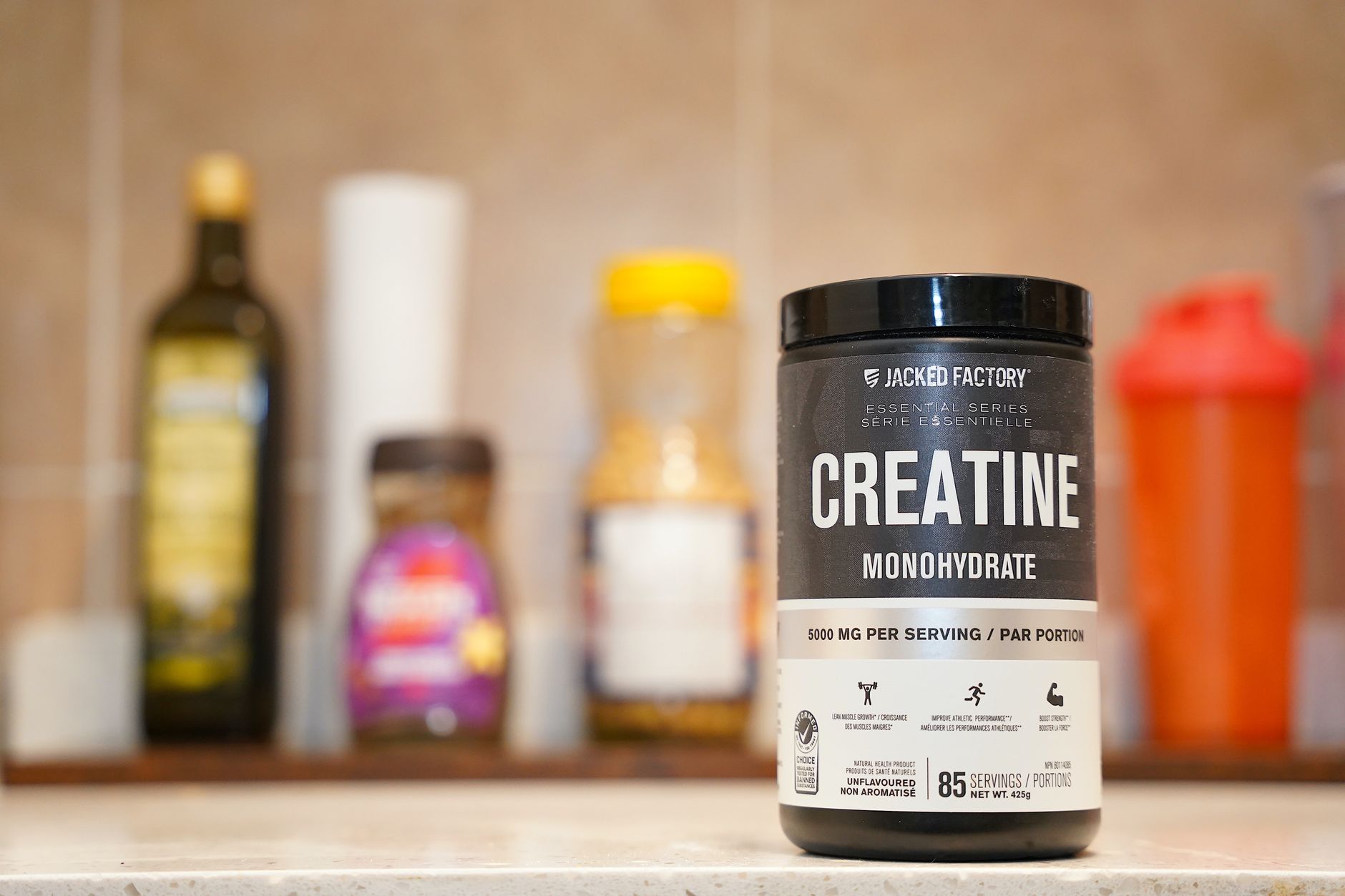
What Is Creatine and Why Does It Matter for Muscle Growth? – A Budget Creatine Guide
Creatine is a naturally occurring substance found in small amounts in meat and fish, and it’s also produced by your liver, kidneys, and pancreas. In your muscles, it’s stored as phosphocreatine, a quick source of high‑energy adenosine triphosphate (ATP) that fuels short bursts of power—think heavy squats, bench presses, or sprinting. When you’re performing explosive work, your muscles tap into phosphocreatine to regenerate ATP, allowing you to maintain intensity for longer.
Because creatine is a key player in energy production, supplementing it increases the phosphocreatine pool in your muscles. That means more ATP for the same workout, which translates to higher loads, more reps, or better performance during high‑intensity intervals. Over time, the increased training stimulus promotes muscle growth and strength gains.
There are several forms of creatine on the market, but the most researched and cost‑effective is creatine monohydrate. It’s available in powder or capsule form and can be mixed into water or a post‑workout shake. Other variants—like creatine hydrochloride or buffered creatine—are marketed as “cleaner” or “easier on the stomach,” but the evidence for extra benefit over monohydrate is minimal, and they often carry a higher price tag.
In short, creatine works by expanding the muscle’s energy stores, boosting power output, and indirectly supporting muscle protein synthesis through increased training volume and improved recovery. That’s why it’s a staple in the supplement stacks of bodybuilders, powerlifters, and even athletes from sprinting to soccer.
How to Use Creatine Effectively: Dosage, Timing, and Practicalities
Using creatine correctly is simple, but there are a few common pitfalls that can reduce its effectiveness. Below is a step‑by‑step guide that will help you get the most out of every scoop.
1. Choose the Right Dose
Most people start with a loading phase of 20 grams per day (split into 4 servings of 5 grams) for 5–7 days. This saturates the muscle quickly. After the loading phase, you switch to a maintenance dose of 3–5 grams per day. If you’re tight on money or want to avoid the occasional stomach upset, you can skip the loading phase entirely and simply take 3–5 grams daily. The end result is the same—just the time to saturation differs.
2. Timing Matters, but Not as Much as You Think
Creatine’s absorption is not highly time‑sensitive. You can take it anytime, but most lifters prefer to combine it with a post‑workout shake. The insulin spike from a protein or carbohydrate source can help shuttle creatine into muscle cells, and that’s why many people mix it with whey or a fruit‑laden smoothie after training.
3. Stay Hydrated
Creatine draws water into muscle fibers, which can increase muscle volume and help with cell signaling. Because of that, it’s essential to keep your fluid intake up. Aim for at least 2–3 liters of water per day, especially if you’re training hard or living in a hot climate.
4. Cycle or Not? The Bottom Line
There is no compelling evidence that you need to cycle creatine. Many athletes use it continuously for years without adverse effects. If you’re a beginner, simply take it daily, and you’ll see steady gains. If you ever feel you’re not seeing results, try a short break (2–4 weeks) and then resume; this can sometimes reset sensitivity.
5. Pairing Creatine With Other Supplements
Creatine works best when combined with a solid protein source. A post‑workout shake that contains 20–25 grams of whey protein and a carbohydrate like a banana or a scoop of simple sugar can enhance uptake. If you’re already taking a pre‑workout, you can add creatine to that mix; just be careful not to exceed your daily dose.
6. Store It Properly
Keep your creatine powder in a cool, dry place. Once opened, a sealed container in the fridge can keep it stable for months. Avoid exposing it to heat or moisture, which can cause clumping or degradation.
Budget Creatine Guide: How to Maximize Value Without Sacrificing Quality
For many beginners, the idea of supplementing feels like a luxury. The great thing about creatine is that you can get a full, science‑backed benefit for less than a dollar a day. Below are a few budget‑friendly strategies to keep costs low.
- Buy in bulk. Most brands sell 300‑gram or 500‑gram tubs that are significantly cheaper per gram than single‑serving packets. If you’re consistent, the upfront cost is minimal. For more supplement advice, check out our supplement articles.
- Stick to monohydrate. Even the “premium” creatine options often add extra marketing fluff. Monohydrate is pure, proven, and inexpensive.
- Use water or your post‑