
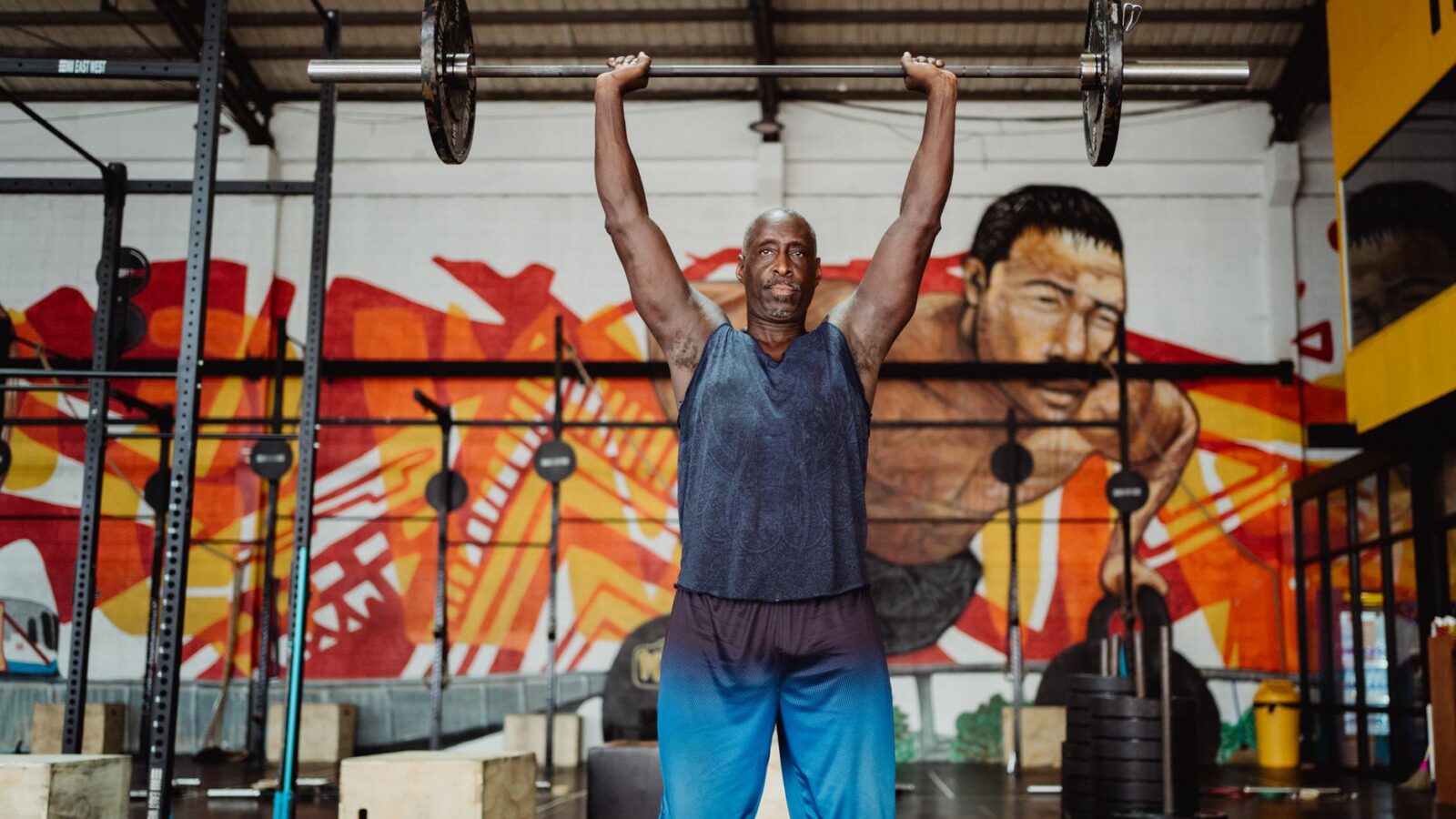
When you first step into a gym or pull a set of dumbbells off the shelf at home, the workout split guide helps answer the first big question on your mind: “How do I structure my workouts to build muscle fast?” Two of the most common answers people hear are Push‑Pull‑Legs (PPL) and Full‑Body. Both can get you bigger, stronger, and leaner if you follow them right, but the difference in how they split work, the time you need to commit, and the gear you’ll need can feel like a minefield for someone still learning the ropes. This workout split guide also considers your lifestyle constraints.
Choosing a split isn’t just about muscle size; it’s about aligning your training plan with your schedule, your budget, and your recovery capacity. If you’re a weekend warrior who can’t swing by the gym more than twice a week, or if you’re a college student with a tight budget and a full‑time job, the right split will keep you moving forward without burning out or blowing your wallet. In this guide we’ll walk through each split, compare their pros and cons, and give you a practical way to decide which one fits your life.

Push‑Pull‑Legs: A Workout Split Guide for the Classic Three‑Day Split
The Push‑Pull‑Legs split is a staple in most strength‑training programs. It divides the body into three functional groups: pushing muscles (chest, shoulders, triceps), pulling muscles (back, biceps), and legs (quads, hamstrings, glutes, calves). Because each muscle group is trained once or twice a week, you can hit each with high volume and keep the intensity high.
Typical Weekly Schedule
- Day 1 – Push (e.g., bench press, overhead press, dips)
- Day 2 – Pull (e.g., rows, pull‑ups, curls)
- Day 3 – Legs (e.g., squats, deadlifts, lunges)
- Rest or light cardio on Day 4
- Repeat cycle on Days 5‑7
This structure works well if you’re able to hit the gym 4‑6 times a week. The high frequency allows you to focus on each muscle group’s specific needs and gives you the chance to rack up sets and reps without feeling rushed. It’s also a natural fit for people who want a clear separation between upper and lower body work, which can help avoid fatigue that carries over to the next session. According to Harvard Health, consistent progressive overload is key for hypertrophy.
Benefits for Muscle Growth
- Higher Volume per Muscle Group: Because you’re dedicating an entire session to a specific area, you can do more sets and exercises for that muscle.
- Focused Recovery: Muscles have at least 48 hours before the same group is hit again, which is ideal for hypertrophy.
- Scalable Intensity: You can add more exercises or increase load each week without overloading the entire body.
Budget & Equipment Considerations
To run a solid PPL routine you’ll need a few key pieces: a bench, a barbell or a set of dumbbells, a squat rack or a sturdy squat stand, and some cable or resistance band accessories if you want variety. If you’re renting a gym, you’re covered; if you’re building a home gym, a barbell set and a bench can be a one‑time investment that lasts years. The split also demands a commitment of 4‑6 gym days, which can add to membership costs if you’re not already paying for a subscription.
When PPL Is the Right Choice
- You have at least 4–5 days a week to train.
- You’re comfortable with a moderate to high volume routine.
- You want to isolate certain muscle groups for more focused growth.
- You’re okay with investing in a bit of equipment or a gym membership.
Full‑Body Workouts: A Workout Split Guide to Train Every Muscle in One Go
Full‑Body splits are the opposite of PPL. Instead of separating the body into distinct groups, each session hits every major muscle. You’ll typically see 3–4 sessions per week, with a mix of compound movements that engage multiple joints at once. This approach is especially popular among beginners and people who can’t swing by the gym more than a couple of times a week.
Typical Weekly Schedule
- Day 1 – Full‑Body A (e.g., squats, bench press, bent‑over rows)
- Day 3 – Full‑Body B (e.g., deadlifts, push‑ups, pull‑ups)
- Day 5 – Full‑Body A or B again, depending on recovery and goals
Each session is usually shorter than a PPL session because you’re juggling more muscle groups in one go. The key is to keep the intensity high but not too heavy on a single exercise, so you can maintain proper form throughout.
Benefits for Muscle Growth
- Higher Frequency per Muscle: Even though you’re only doing a few sets per muscle per session, hitting the muscle 3 times a week can be as effective for hypertrophy as a once‑per‑week volume of 10–12 sets.
- Time Efficiency: If you can only make it to the gym twice a week, a full‑body split ensures each muscle gets worked.
- Great for Beginners: Your nervous system learns compound patterns more quickly when you practice them more often.
- Lower Equipment Needs: A basic set of dumbbells or a barbell and a bench is usually enough.
Budget & Equipment Considerations
Full‑Body routines are forgiving if you’re working out at home. A pair of adjustable dumbbells, a pull‑up bar, and a sturdy bench can cover most of the exercises. Even a bodyweight routine can be effective if you’re on a strict budget. The split also means you’ll need fewer gym days, which can help if you’re paying for a membership and want to stretch that cost over fewer visits.
When Full‑Body Is the Right Choice
- You’re a beginner or returning after a long break.
- You only have 2–3 workout days per week.
- You’re working with minimal equipment.
- You want a balanced approach that keeps every muscle engaged frequently.

Choosing the Split That Fits Your Life
Now that we’ve broken down the core differences, the real question is: “Which split is right for me?” The answer isn’t a one‑size‑fits‑all. Instead, it depends on a handful of variables. Below is a simple decision matrix you can use to evaluate your situation and find the perfect plan in our workout routines collection. Your personal workout split guide should reflect your schedule, recovery ability, and equipment access.
1. Time Availability
- 4+ gym days per week: Push‑Pull‑Legs gives you the most volume and specificity.
- 2