
Budget protein foods are the cornerstone of affordable muscle growth. Your gym routine, your rest days, and the way you fuel your body all add up to the same goal: more lean mass, stronger lifts, and a body that feels solid. If you’re new to the scene and your wallet is watching, the first hurdle is figuring out how to get enough protein without breaking the bank.
Protein is the building block for muscle. But it’s not just about hitting a number on a scale; it’s about getting the right type of protein, at the right times, and in a way that fits your budget. In this post, we’ll dive deep into the science behind protein needs, explore the most cost‑effective high‑protein foods, and show you how to structure meals so you can build muscle without spending a fortune.
Ready to turn your pantry into a muscle‑building powerhouse? Let’s get into the details.
1. Knowing Your Protein Target: The Foundation of Muscle Growth
Before you can choose the best foods, you need to know how much protein you actually need. The general rule for a beginner looking to build muscle is 1.2 to 1.6 grams of protein per kilogram of body weight per day. That translates to roughly 0.5 to 0.7 grams per pound. For a 70‑kg (154‑lb) person, that’s about 84 to 112 grams of protein daily.
Why this range? Research shows that consuming protein in this window maximizes muscle protein synthesis (MPS) while avoiding excess that could be stored as fat. The body’s ability to use protein for muscle repair and growth peaks around 20–30 grams per meal, so spreading that intake evenly across 4–5 meals is a smart strategy.
Some people think “more is better,” but the law of diminishing returns applies to protein too. If you’re eating 200 grams a day, you’re not going to build twice as much muscle as someone eating 120 grams. Instead, focus on consistent, high‑quality protein distributed throughout the day.
2. Budget Protein Foods: Quality and Cost
When we talk about protein quality, especially for budget protein foods, we’re usually referring to two factors: amino‑acid profile and digestibility. A complete protein contains all nine essential amino acids, and it’s usually found in animal products. However, plant proteins can also be complete if you pair them properly.
For a budget‑friendly approach, the goal is to mix inexpensive animal proteins with plant options that complement each other. Below is a quick look at some of the most economical high‑protein foods and why they work for muscle building.
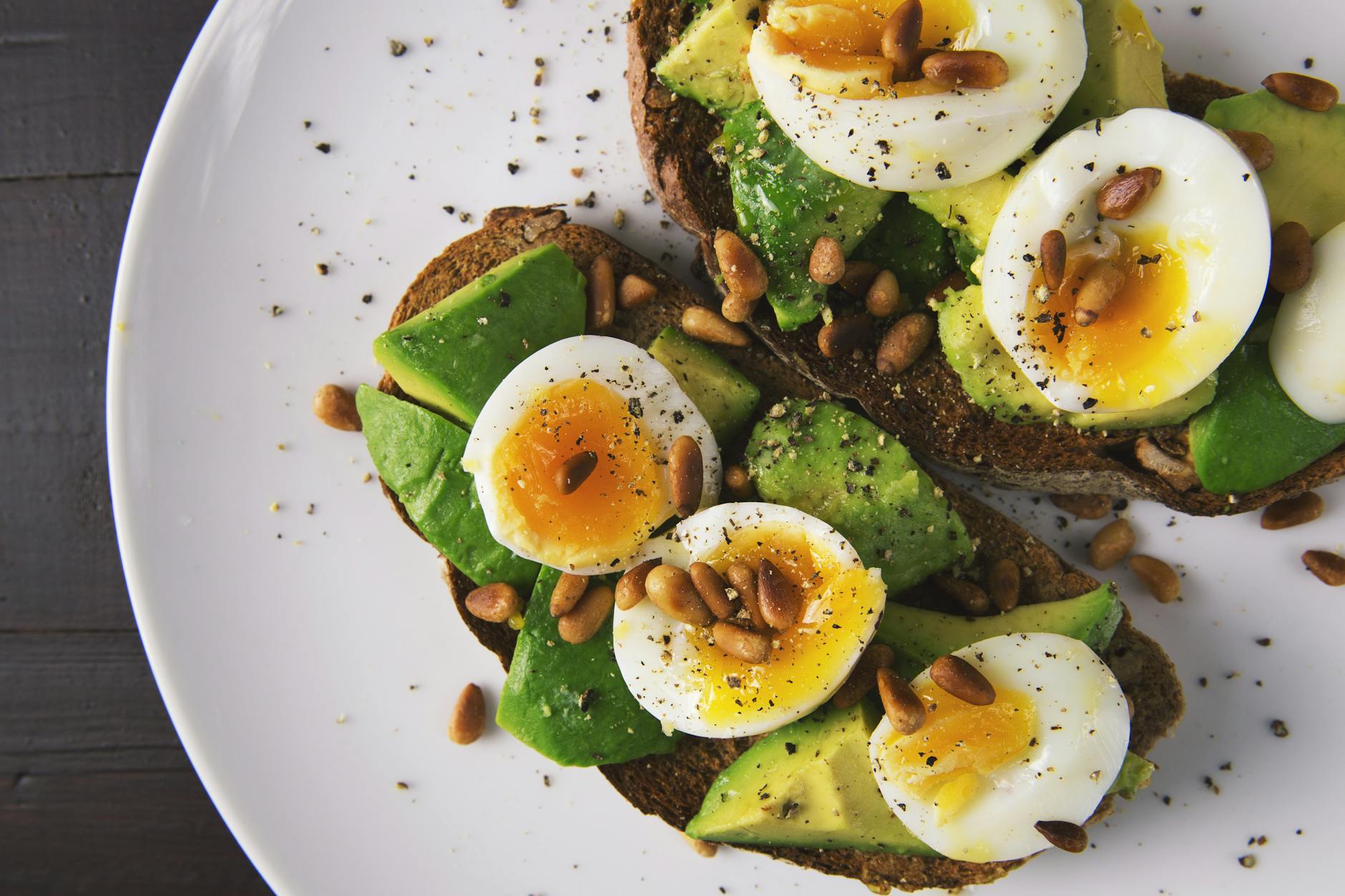
- Eggs – One large egg contains about 6 grams of high‑quality protein and is packed with essential nutrients. Buying a dozen or a dozen dozen can keep prices low, and they’re versatile for breakfast, lunch, or dinner.
- Chicken breast (or thighs) – Lean chicken is a staple. Thighs are cheaper and still high in protein (about 25 grams per 100 grams cooked). Buying in bulk and freezing portions cuts costs further.
- Canned tuna or salmon – A 165‑g can delivers around 40 grams of protein and is shelf‑stable. Look for “light” tuna for a lower price point.
- Greek yogurt (plain, low‑fat) – One cup offers 10–15 grams of protein and can be used in smoothies or as a snack. Buy larger containers and portion them out.
- Milk or fortified plant milk – A cup of milk has about 8 grams of protein. If you’re lactose intolerant, look for fortified soy milk, which offers similar amounts.
- Legumes (lentils, chickpeas, black beans) – While not complete proteins on their own, they’re cheap and rich in fiber. Pair them with whole grains or nuts to round out the amino‑acid profile.
- Tofu and tempeh – Both provide around 10–20 grams of protein per 100 grams. They’re inexpensive and absorb flavors well, making them great for stir‑fries or baked dishes.
- Cottage cheese – A half‑cup contains 14 grams of protein and is a low‑fat, high‑protein option. It’s also great for a late‑night snack.
- Peanut butter – One tablespoon delivers 3–4 grams of protein. Though it’s higher in calories, a small amount can add protein to smoothies or toast.
- Protein powders (whey or plant) – While not a staple for every meal, a scoop can quickly bump your intake, especially after a workout. Look for sales or bulk deals.
Remember, the key is variety. By rotating these foods, you’ll avoid nutrient gaps and keep your meals interesting.

3. Timing Matters: How to Use Protein for Maximum Gains
Protein timing isn’t about eating a protein shake immediately after every workout. It’s about ensuring your body has a steady supply of amino acids to support muscle repair and growth. Here’s how to structure your day.
- Breakfast (within 30 minutes of waking) – Start with a protein source like eggs or Greek yogurt. Add a slice of whole‑grain toast or a small bowl of oats to keep you satiated.
- Mid‑morning snack – A protein‑rich snack such as a handful of nuts, a protein bar (look for low sugar), or a piece of fruit with peanut butter keeps the amino‑acid flow steady.
- Pre‑workout meal (1–2 hours before) – Combine a moderate protein source (e.g., chicken breast or tofu) with a complex carb (brown rice, sweet potato) and a bit of healthy fat.
- Post‑workout shake or meal – Within 30 minutes, consume 20–30 grams of protein. A whey shake, a turkey sandwich, or a bowl of lentils with veggies works well.
- Evening meal – Finish with a protein source like fish, beans, or a tofu stir‑fry. Pair with a small serving of vegetables to get micronutrients.
- Late‑night snack (if needed) – Cottage cheese or a small protein shake can help keep MPS active while you sleep.
In total, you’re aiming for 4–5 protein‑rich meals or snacks spaced evenly. This pattern supports continuous muscle protein synthesis, especially important for beginners who are still adapting to a new training stimulus.
According to Harvard Health, spreading protein intake throughout the day maximizes muscle‑building benefits.
Let’s walk through a sample budget‑friendly day that hits about 120 grams of protein.
- Breakfast: 3 eggs (18g) + 1 cup Greek yogurt (15g) = 33g
- Snack: 2 tbsp peanut butter (8g