
Ever hear someone say that the best way to get ripped on a budget is to try budget intermittent fasting? That’s the idea behind intermittent fasting (IF), and it’s got a lot of buzz in the fitness world. But if you’re just starting out and watching your wallet, you might wonder: does fasting really help you build muscle, or is it a trick that only works for seasoned athletes?
Let’s break it down. Intermittent fasting isn’t a magic bullet, but budget intermittent fasting, when paired with smart training and nutrition, can be a useful tool for beginners who want to keep costs low. We’ll look at the science, the practical details, and the common pitfalls so you can decide if IF is the right fit for your muscle‑building journey.
1. What Budget Intermittent Fasting Is and Why It Matters for Muscle Growth
Intermittent fasting isn’t about what you eat; it’s about when you eat. The most common patterns are:
- 16/8: Fast for 16 hours, eat during an 8‑hour window.
- 18/6: Fast for 18 hours, 6‑hour eating window.
- 20/4: Fast for 20 hours, a short 4‑hour window.
- 5:2: Eat normally five days a week, restrict calories to 500–600 on two non‑consecutive days.
From a muscle‑building standpoint, the key questions are:
- Can you maintain enough protein and calories to support muscle repair?
- Does the fasting period affect your training performance?
- Will the hormonal changes help or hinder muscle gains?
Research from Harvard Health shows that as long as total protein and calorie targets are met, IF can be compatible with muscle hypertrophy. In fact, some studies suggest that a 16/8 schedule may improve insulin sensitivity and growth hormone levels, which can aid recovery. However, if you’re training hard and not eating enough during your window, you’ll hit a plateau or even lose muscle.
For beginners who are budget‑conscious, budget intermittent fasting offers a simple way to reduce food spending—fewer meals mean fewer groceries. But you still need to plan carefully to keep protein costs down.
2. Linking Fasting, Training, and Nutrition for Muscle Gains
Timing is everything. Here’s a quick guide to align your workout with an IF schedule that keeps muscle on the up and down.
Choose a training day that fits your eating window. If you’re on a 16/8 plan, a morning workout before your first meal can trigger fat oxidation, but you’ll want a solid protein shake right after to jumpstart muscle recovery. If you prefer a post‑meal session, schedule your workout toward the end of your eating window so you can refuel quickly.
Protein distribution matters. Aim for 0.25–0.30 grams of protein per pound of body weight spread evenly across meals. During a tight eating window, split this into 3–4 smaller meals or shakes. Cheap, high‑protein options include egg whites, canned tuna, Greek yogurt, and bulk protein powders.
Calorie balance is critical. A 16/8 plan can reduce appetite for some people, but others may find themselves under‑eating. Use a calorie calculator to estimate your maintenance needs and add 300–500 calories for muscle growth. Keep costs low by buying in bulk: rice, beans, frozen veggies, and generic whey or plant‑based protein powders.
Here’s a sample 16/8 day for a 170‑lb beginner who wants to build muscle:
- Meal 1 (12:00 pm): 2 eggs, 1 cup oatmeal, banana – ~400 calories, 30g protein.
- Meal 2 (3:00 pm): Chicken breast (6 oz), quinoa, steamed broccoli – ~500 calories, 45g protein.
- Meal 3 (6:00 pm): Protein shake (whey or plant), mixed berries, peanut butter – ~350 calories, 35g protein.
- Optional snack (if needed before 8 pm): Greek yogurt with honey – ~200 calories, 15g protein.
That totals roughly 1,450 calories and 125 grams of protein—adjust based on your personal needs. For more detailed meal ideas, see our nutrition and meal plans.

3. Budget‑Friendly Ways to Make Budget Intermittent Fasting Work for Muscle Building
Adopting budget intermittent fasting doesn’t have to mean splurging on fancy meal prep services or premium protein bars. Here are a few cost‑saving strategies:
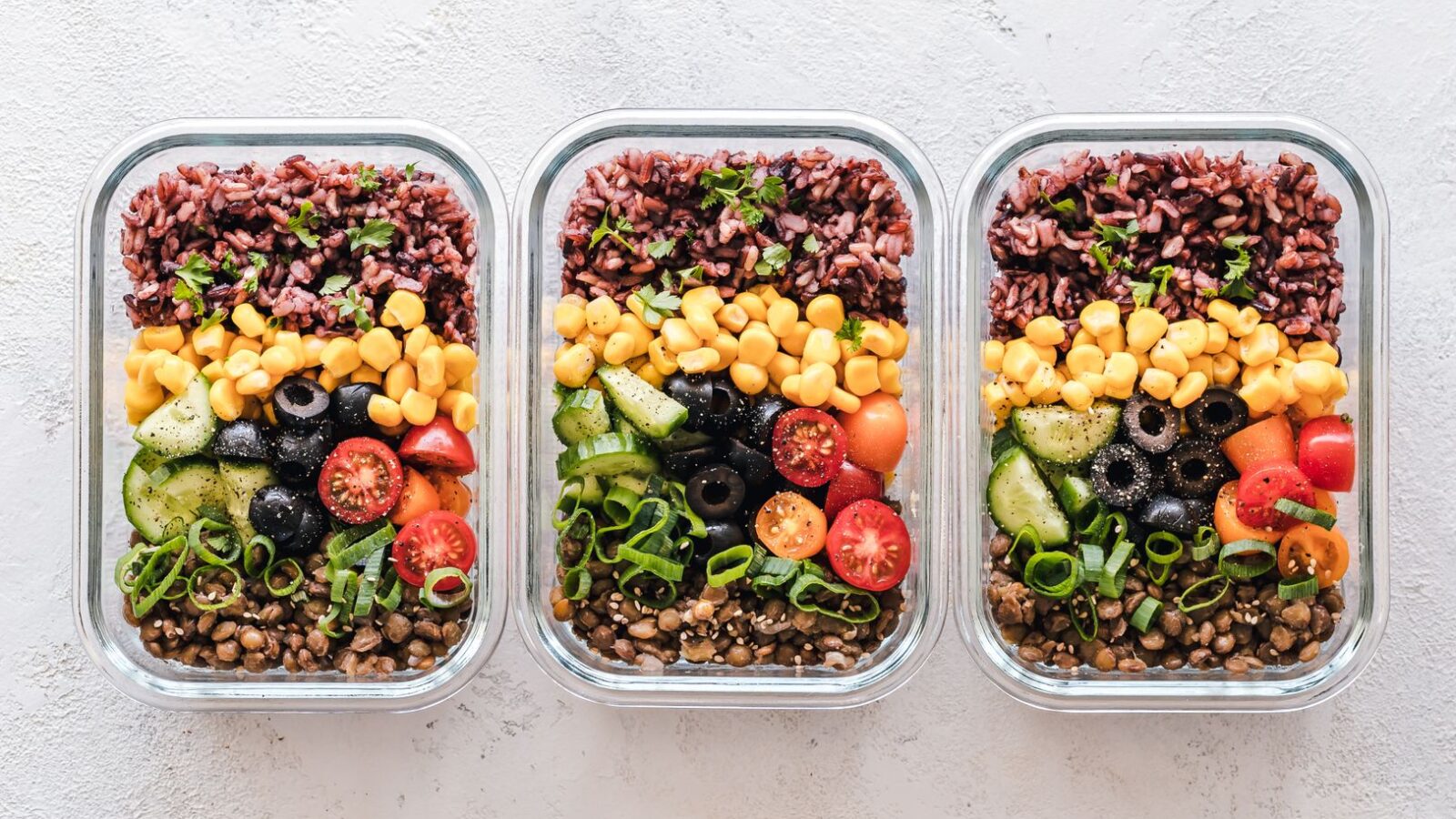
- Bulk staple foods. Buy rice, beans, oats, and frozen vegetables in large quantities. They’re cheap, versatile, and keep well.
- Generic protein powders. A 2‑kg container of whey or a plant blend can cost less than a dollar per serving. Mix with water or milk to keep expenses down.
- Seasonal protein sources. Canned tuna, eggs, and chicken thighs are usually cheaper than fresh cuts. Swap out expensive steak for a leaner, budget option.
- Use the same foods across meals. Repeating ingredients reduces waste and simplifies grocery shopping.
- Leverage free or low‑cost workouts. Bodyweight routines or a home dumbbell set can replace pricey gym memberships. Focus on compound lifts—squats, deadlifts, presses—to maximize muscle stimulus.
In addition, consider a simple supplement stack that won’t break the bank: creatine monohydrate and a basic multivitamin. Creatine is one of the most researched supplements for muscle growth and can be purchased in bulk for a few dollars a month.
Remember, the most expensive part of a muscle‑building plan is often the food budget, not the training. IF can help you cut down on meal frequency, but it doesn’t eliminate the need for quality protein or adequate calories.

More for You
Budget Muscle Meal Prep: A Beginner’s Guide to Gaining Lean Mass on a Tight Wallet
Budget muscle meal prep isn’t just about hitting the weights hard; it’s also about feeding the growth engine consistently. If you’re new…
Intermittent Fasting for Muscle Growth: A Beginner’s Guide
Intermittent fasting muscle has become a buzzword in the fitness world. If you’re watching the numbers on your phone or scrolling through…
Budget Carb Guide: Fuel Muscle Growth Without Breaking the Bank
When you’re hitting the gym, you’ll hear a lot about protein and rest, but a budget carb guide can help you spot…