
When you’re just starting out, a budget dumbbell workout can feel like a distant dream—especially if your bank account doesn’t allow for fancy gym memberships or pricey equipment. What if you could get a full-body, strength‑building workout right in your living room, on a budget, with only a pair of dumbbells? That’s what we’re talking about today. This post walks you through a simple, dumbbell‑only routine that works anywhere, anytime, and it’s designed for beginners who want real results without breaking the bank.
Think of the last time you tried to hit the gym. Maybe the equipment looked intimidating, or the price tag made you think you’d have to skip a workout. With a dumbbell set that’s affordable and portable, those obstacles disappear. You can do the same movements you’d see on a treadmill or in a heavy‑weight class—just with lighter, more versatile gear. And the best part? The same routine scales up as you get stronger. For more ideas on affordable equipment, see our budget gym gear ideas.
Ready to lift? Grab a set of dumbbells that’s comfortable for you, and let’s dive into a full‑body program that’s as effective as it is easy to fit into a busy schedule. According to Harvard Health, regular resistance training improves metabolism and overall health.
Section 1: Laying the Foundations—Why a Budget Dumbbell Workout Matters
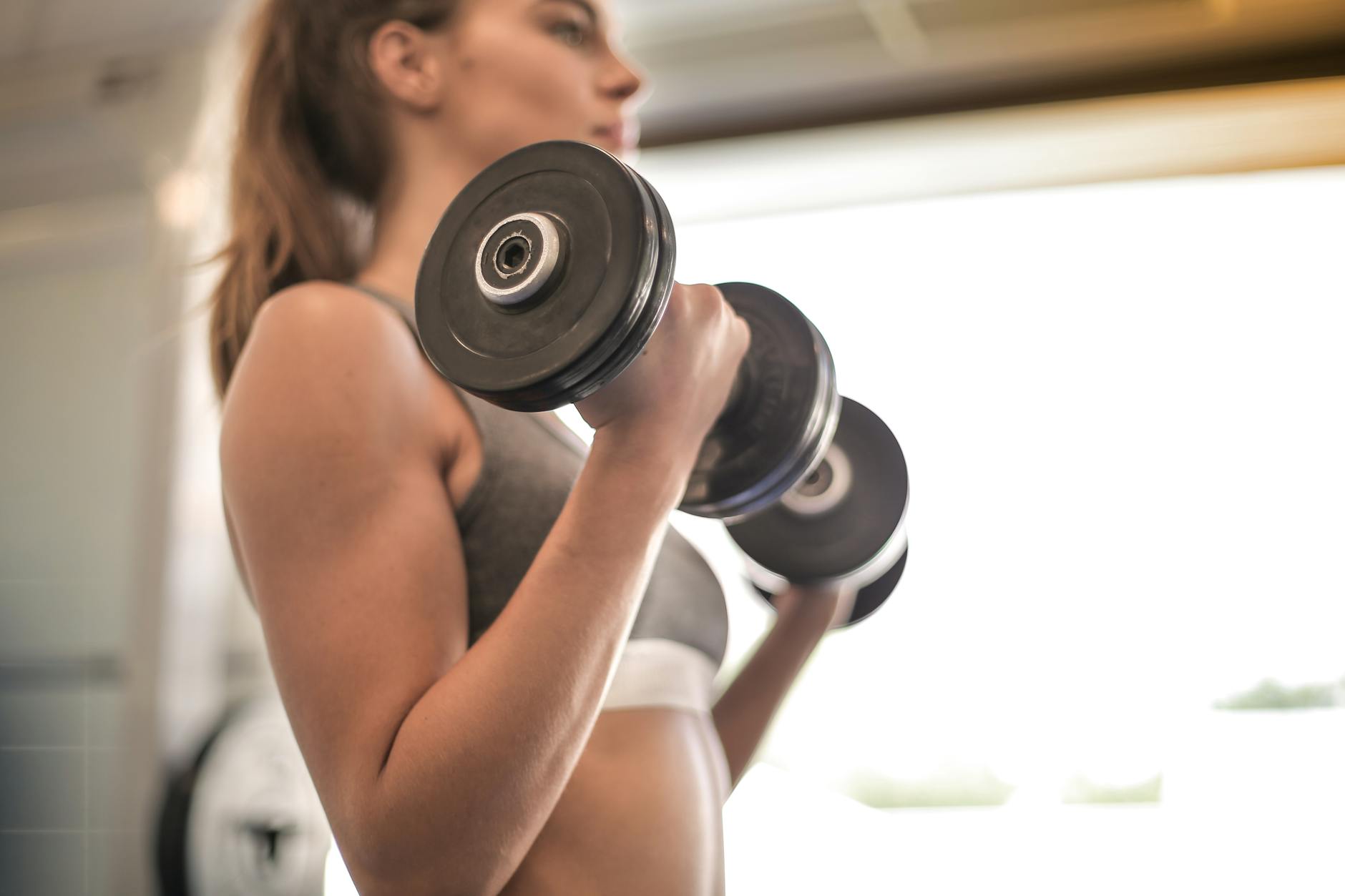
Dumbbells are the Swiss Army knife of resistance training. They’re inexpensive, come in a wide range of weights, and can target virtually every muscle group. For a beginner, a single pair of adjustable dumbbells (or two fixed‑weight pairs) can replace a whole rack of machines. Here’s why they’re a smart choice for muscle building on a budget:
- Portability: A pair of dumbbells can fit in a backpack or even a small suitcase. Move them from your kitchen to your bedroom without a hitch.
- Versatility: From squats and presses to rows and curls, the same dumbbells can handle compound and isolation moves.
- Scalability: As you gain strength, you can either add weight plates or increase repetitions. No need to buy a whole new set.
- Space‑saving: You only need a few inches of floor space, making it easy to work out in a studio apartment or a hotel room.
When starting out, choose a weight that lets you finish 8–12 reps with good form but still feels challenging on the last few. If you’re unsure, a good rule of thumb is to start with 8–10 kg (18–22 lb) for women and 12–15 kg (26–33 lb) for men. You can always swap out the weights as you progress.
Section 2: The Core Routine—A Budget Dumbbell Workout Plan
This routine focuses on compound movements that recruit multiple muscle groups at once. By hitting each major area in one session, you maximize muscle stimulation while keeping the workout short and efficient.
Warm‑up (5 minutes)
- Arm circles: 30 seconds forward, 30 seconds backward.
- Bodyweight squats: 15 reps.
- Hip circles: 30 seconds each direction.
- Dynamic chest opener: 10 reps each side.
Now let’s break down the main workout into three circuits. Perform each circuit 3 times, resting 60–90 seconds between circuits. Keep your form tight; speed is secondary to technique.
1. Lower Body & Core
- Dumbbell Goblet Squat: Hold a single dumbbell with both hands at chest level. Squat down until thighs are parallel to the floor. Push through the heels to return. 10–12 reps.
- Single‑Leg Romanian Deadlift: Hold a dumbbell in each hand. Lean forward, keeping a slight bend in the standing leg, and lower the weights toward the ground. Return to standing. 8 reps each side.
- Plank with Dumbbell Row: In a plank position, pull one dumbbell up toward the hip while stabilizing with the other arm. Alternate sides. 8 reps each side.
2. Upper Body Push & Pull
- Dumbbell Bench Press (floor if no bench): Lie on your back, knees bent, feet flat. Press dumbbells up until arms are straight. 10–12 reps.
- Dumbbell Bent‑Over Row: Hinge at the hips, keep your back flat, pull dumbbells to your ribs. 10 reps each side.
- Dumbbell Overhead Press: Stand or sit, press weights overhead until arms are fully extended. 10 reps.
3. Finisher & Mobility
- Renegade Rows (optional): In a plank position, row one dumbbell while keeping hips stable. 6–8 reps each side.
- Dumbbell Thrusters: Squat to press. 8–10 reps.
- Cool‑down stretches: Hold each stretch for 30 seconds—hamstrings, quadriceps, chest, shoulders.
That’s it. You’ve just completed a full‑body session that can be done anywhere—no gym needed. Want to feel more challenged? Drop a few seconds between sets or add a fourth circuit. The key is consistency and progressive overload.
Section 3: Making It Work in Any Space
One of the biggest advantages of a dumbbell routine is the ability to adapt to small or unconventional spaces. A budget dumbbell workout can be set up in a living room, a dorm, or even a hotel suite, making it incredibly versatile. Here’s how to set up and stay safe no matter where you train.
- Floor space: Choose a clear area at least 6–8 feet long and 3 feet wide. If you’re in a tight spot, do the routine in a staggered layout—alternating between the front and back of the room.
- Floor protection: If you’re worried about damage, use a yoga mat or a towel to cushion the weights.
- Stability: For moves that require a bench or chair (like the bench press), use a sturdy, non‑slip surface. A folded blanket can work as a makeshift bench if you’re on a carpeted floor.
- Noise considerations: If you’re in an apartment, choose a time when neighbors are unlikely to be disturbed. Alternatively, use a padded floor or a weight‑lifting platform to reduce impact.
- Progression on the go: If you travel often, bring a set of adjustable dumbbells. They’re lighter to carry and can be swapped for higher weights at home.
Remember, the goal is to keep the routine consistent, not to create a perfect studio. The flexibility of dumbbells means you can train in a car, a hotel room, or a park—just bring a mat and you’re good to go.

Practical Tips & Common Mistakes
Even the best routine can fall flat if you’re not careful. Below are some quick dos and don’ts to keep you on track.
- Do keep your core engaged. A strong core stabilizes the spine during squats and rows.
- Don’t rush the lift. Control the descent; the eccentric phase is where a lot of muscle growth happens.
- Do warm up properly. Skipping the warm‑up can increase injury risk.
- Don’t compromise form for heavier weights. It’s better to lift lighter with good technique.
- Do track your reps and weights. A simple notebook or phone app helps you see progress.
- Don’t ignore recovery. Give muscles 48 hours before hitting the same group hard again.
- Do mix up grip positions. Switch between standard, neutral, and reverse grips to hit muscles from different angles.
- Don’t forget hydration. Drink water before, during, and after the workout.
Question for you: What’s the biggest obstacle that stops you from sticking to a workout routine? Knowing the answer can help you tweak this plan to fit your life.

More for You
Budget-Friendly Full-Body Dumbbell Routine for Muscle Building
A budget dumbbell workout doesn’t have to mean a fancy gym, heavy barbells, or a wall‑full of racks. If you’ve got a…
Build a Budget Home Gym That Fits Any Space
When you first start thinking about a budget home gym, the idea can feel overwhelming. You’re juggling budget constraints, cramped living quarters,…
Build a Budget Home Gym: Space‑Saving Tips for Any Room
We’ve all seen the sleek, fully stocked budget home gym setups that pop up on Instagram. They’re the envy of the apartment‑dwelling,…