
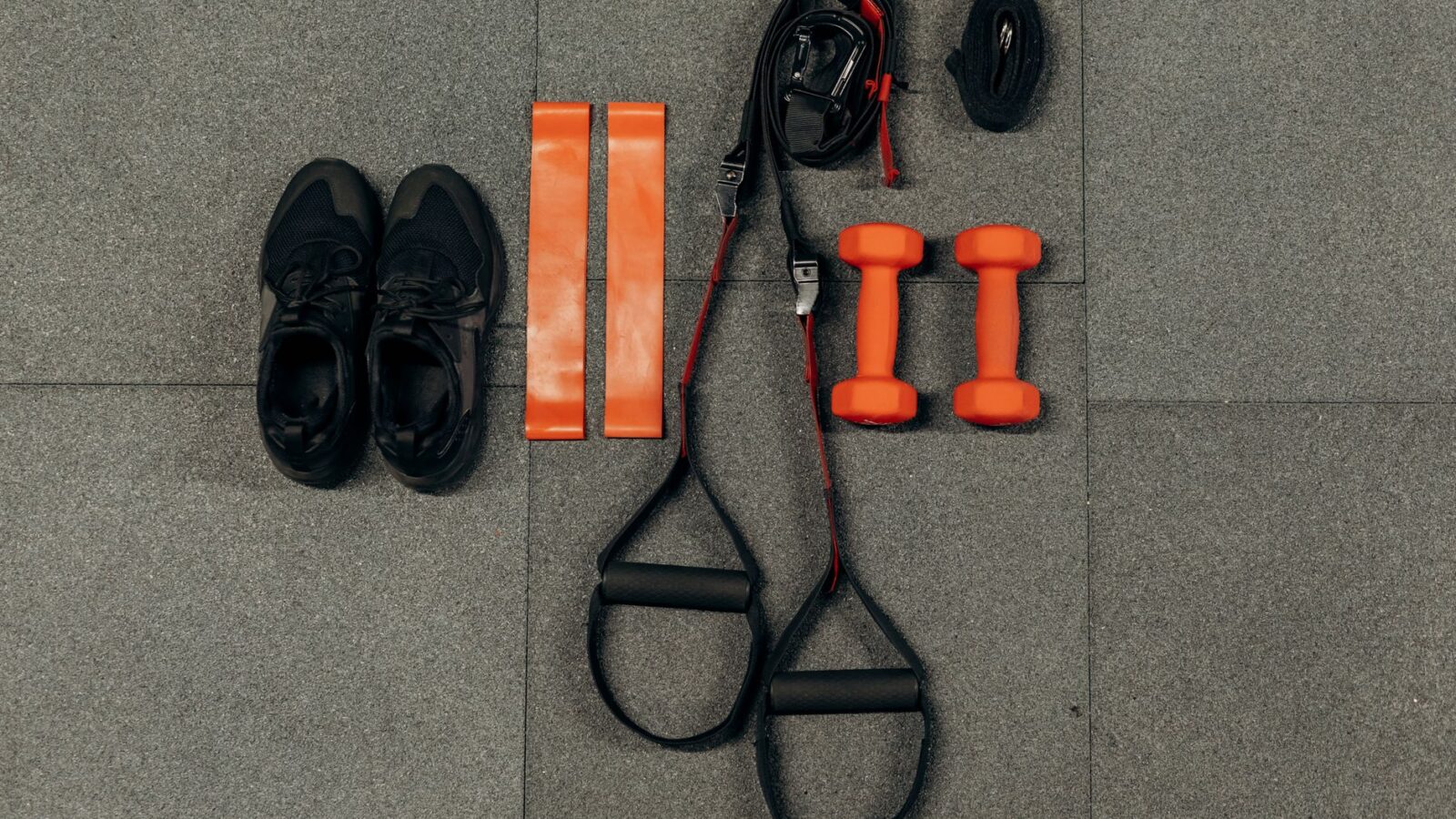
When you first start thinking about a budget home gym, the idea can feel overwhelming. You’re juggling budget constraints, cramped living quarters, and a long list of equipment that seems to promise more muscle than your living room can hold. But the truth is, a well‑planned home gym doesn’t need to be a sprawling, expensive setup. It can be a lean, efficient space that works with your goals, not against them.
In this guide, we’ll walk through the exact steps to create a budget home gym that fits your room, your budget, and your training goals. We’ll talk about how to measure your space, pick the right gear, and even how to repurpose everyday items into workout essentials. By the end, you’ll have a concrete plan that turns any corner of your apartment into a serious strength‑building station.

1. Start With a Clear Vision for Your Budget Home Gym: Space and Goals in Sync
Before you even think about buying a barbell or a pull‑up bar, ask yourself two questions:
- What is my primary goal? (e.g., hypertrophy, strength, general conditioning)
- How much room do I actually have, and how flexible is that space?
Take a tape measure and sketch a quick floor plan. Mark walls, doors, windows, and any built‑in features that could interfere with movement. If you’re living in a studio, you might need to think vertically—wall‑mounted racks, pull‑up bars that double as storage.
When defining your goals, remember that a home gym is a long‑term investment. If you’re mainly into bodyweight moves, you might only need a sturdy pull‑up bar and a set of resistance bands. If you’re after serious strength gains, you’ll want a barbell, adjustable plates, and a bench. Knowing where you want to end up will keep you from buying gear you’ll never use.
**Tip:** Create a “must‑have” vs. “nice‑to‑have” list. This will help you prioritize items that directly support your training routine.
2. Core Equipment for a Budget Home Gym That Covers Most Workouts
Once you know your space and goals, you can zero in on a minimal, yet complete, equipment set. The following items offer the most versatility for a tight budget and space:
- Adjustable Dumbbells: One pair can replace a full rack of single‑hand weights. Look for models that allow you to change plates in under a minute.
- Barbell with Plates: A standard 45‑lb bar plus a few plates gives you the range for squats, deadlifts, and presses. If you’re short on floor space, consider a fold‑away squat rack or a simple barbell stand.
- Pull‑Up Bar: A doorway bar can be installed in minutes and unlocks rows, chin‑ups, and core work.
- Resistance Bands: Cheap, compact, and great for assisted pull‑ups, glute bridges, and mobility work.
- Adjustable Bench or Flat Floor: A bench with incline/decline settings adds variety to presses and rows. If you’re really tight on room, a sturdy, flat surface works for most exercises.
- Floor Mat or Pad: Protects your floor and provides grip for bodyweight moves.
**Budget Hack:** Many online retailers sell “starter kits” that bundle a barbell, a set of plates, and a bench for a fraction of buying them separately. Keep an eye out for sales around major shopping events—Prime Day, Black Friday, or local outlet deals.
**Space Saver:** For the barbell, a “squat rack” that folds into a wall or a “power cage” that doubles as a storage unit can keep your gym tidy while giving you a full range of motion.
For more ideas on affordable equipment, check out more workout tips.

3. Creative Space‑Saving and DIY Ideas
Not all gym equipment has to be a separate piece of furniture. Here are a few ways to maximize every inch:
- Wall‑Mounted Pull‑Up Bars: Install a bar that folds out of a doorway or a freestanding model that can be tucked into a corner when not in use.
- Multi‑Purpose Furniture: A sturdy coffee table can double as a weight plate rack. A storage ottoman can hold dumbbells and still serve as seating.
- DIY Bench: Use a thick plywood board, a few sturdy legs, and some rubber pads. Add a small amount of sand or sandbags to adjust the height.
- Fold‑Down Floor‑Mounted Rack: Build a simple metal or wooden frame that can be raised and lowered. When you’re done, it sits flat against the wall.
- Repurpose Old Items: A set of old tires can become a makeshift kettlebell or a resistance tool for bodyweight exercises.
**Safety First:** Always check that any DIY structure can handle the weight you intend to lift. Use heavy-duty screws, brackets, and wood that can support at least 500 lbs if you plan to deadlift.
**Noise Management:** If you live in an apartment with thin walls, consider using a rubber mat or a “silent” foam pad under heavy lifts to dampen impact. Some people use a “squat cage” to contain the noise and protect the floor.

4. Planning Your Layout for Flow and Function
Designing the layout of your budget home gym ensures flow and function, allowing you to move from one exercise to another without stepping over gear or getting cramped.
- Central Movement Zone: Place the barbell and squat rack in the middle of the room. This gives you the most freedom for squats, bench presses, and rows.
- Peripheral Zones: Position dumbbells and resistance bands on a side table or wall rack. This keeps them out of the way but within reach.
- Mobility Corner: Dedicate a small area for yoga mats, foam rollers, and mobility tools. This helps you warm up and recover without cluttering the main zone.
- Storage Strategy: Use vertical shelving or a wall unit to store lighter equipment. Keep heavy plates in a stackable bin to avoid clutter.
**Pro Tip:** If you’re working in a studio, use a folding bench and a portable pull‑up bar that can be stored in a closet when not in use. That way, you can open up the space for other activities like cooking or sleeping.

5. Practical Tips & Common Mistakes to Avoid
- Don’t Over‑Equip: The first mistake most beginners make is buying too many gadgets. Focus on the essentials first, then add extras as you progress.
- Ignore Safety: A sturdy barbell stand or a quality squat rack is worth the extra cost. Skipping these can lead to injuries. For reliable health guidance, see Harvard Health.
- Underestimate Space: Even if you think you have enough room, remember that you need clearance for movement, especially for lifts like squats and deadlifts.
- Neglect Maintenance: Keep your equipment clean and lubricated. A rusty bar or a worn‑out mat can quickly become a liability.
- Ignore Future Growth: As you build strength, your needs change. Plan for a rack that can accommodate heavier