
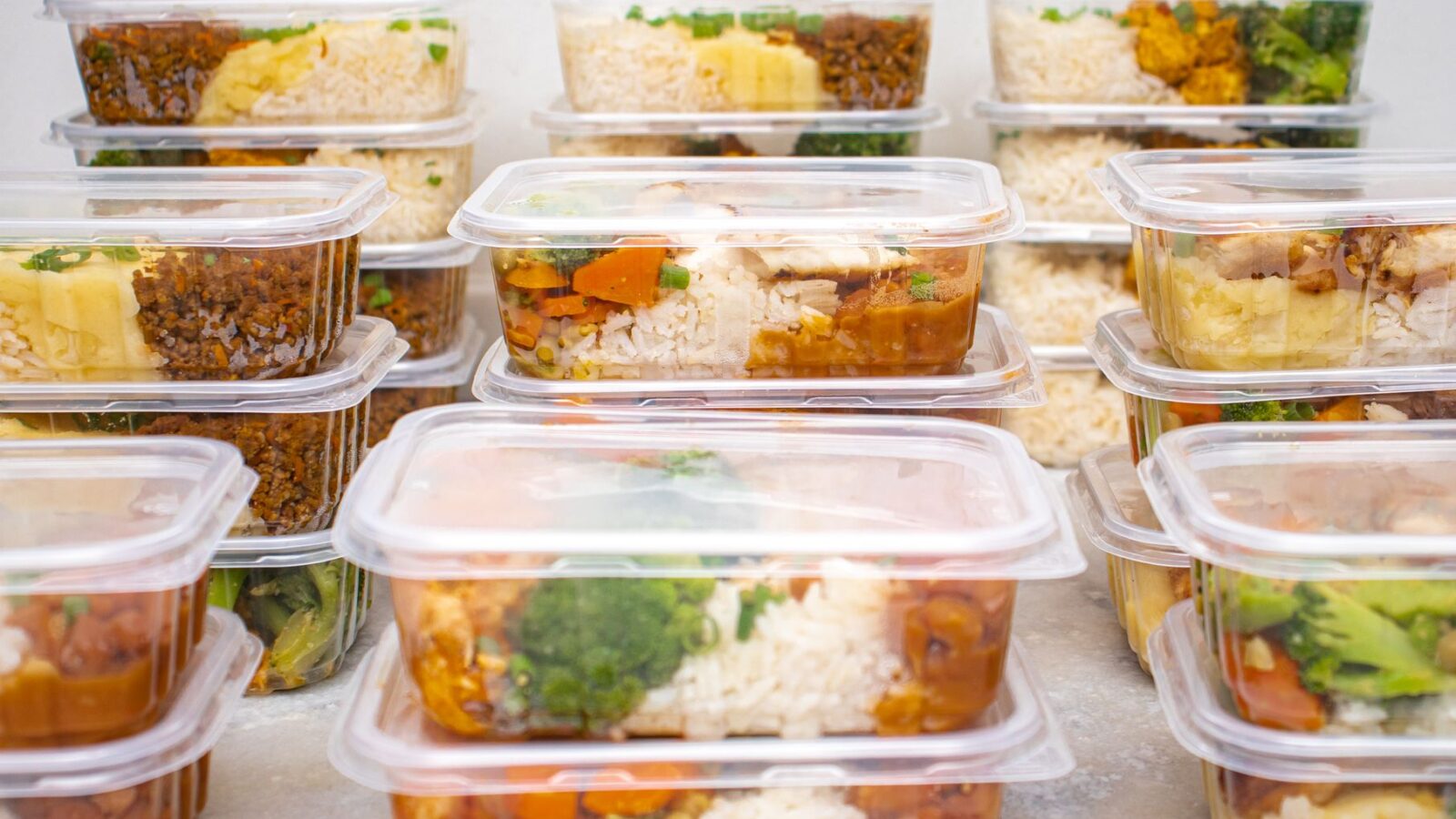
The budget protein guide shows that getting the protein you need to build muscle doesn’t have to feel like a culinary scavenger hunt. For anyone who’s new to the gym and watching the wallet, the idea of chasing a protein target can quickly become overwhelming. You’re already juggling workout schedules, sleep, and maybe a part‑time job. The good news? Muscle growth is driven by a few simple principles, and the foods that deliver those proteins are often cheaper and easier to work with than you think.
In this guide I’ll walk you through a practical, no‑fuss approach to hitting your protein goals. This budget protein guide will keep you focused on results without stretching your budget. Think of it as a playbook for the budget‑conscious lifter who wants to keep the focus on lifting, not on endless grocery lists. By the end you’ll know how to calculate your needs, choose the right foods, and structure meals so that protein becomes a habit, not a headache.
Budget Protein Guide: Know Your Numbers Before You Buy
Before you start stacking up protein powders or hunting for the next “lean” food, you need a target. Following the budget protein guide, you can set a realistic target based on your body weight. Most research suggests that active adults aiming for muscle growth should consume about 1.6 to 2.2 grams of protein per kilogram of body weight per day. That’s roughly 0.7 to 1 gram per pound. If you weigh 160 pounds, you’re looking at 112 to 160 grams of protein daily.
It helps to write the goal on a sticky note and place it on the fridge. Seeing the number in a concrete form turns a vague idea into a measurable aim. When you’re planning meals, think in grams or servings rather than vague “lots of protein.” A single boiled egg contains about 6 grams; a cup of cooked lentils has around 18 grams. Keep these figures handy; they’ll become your quick reference as you build the rest of the plan.
Budget Protein Guide: Build a Protein Bank of Affordable Staples
When you’re on a budget, the smartest strategy is to focus on foods that give you the most protein per dollar and can be used in many dishes. The budget protein guide emphasizes selecting high‑protein, low‑cost staples to maximize value. Below are some staples that fit that bill, with approximate cost per gram based on typical U.S. grocery prices (prices vary by region and season).
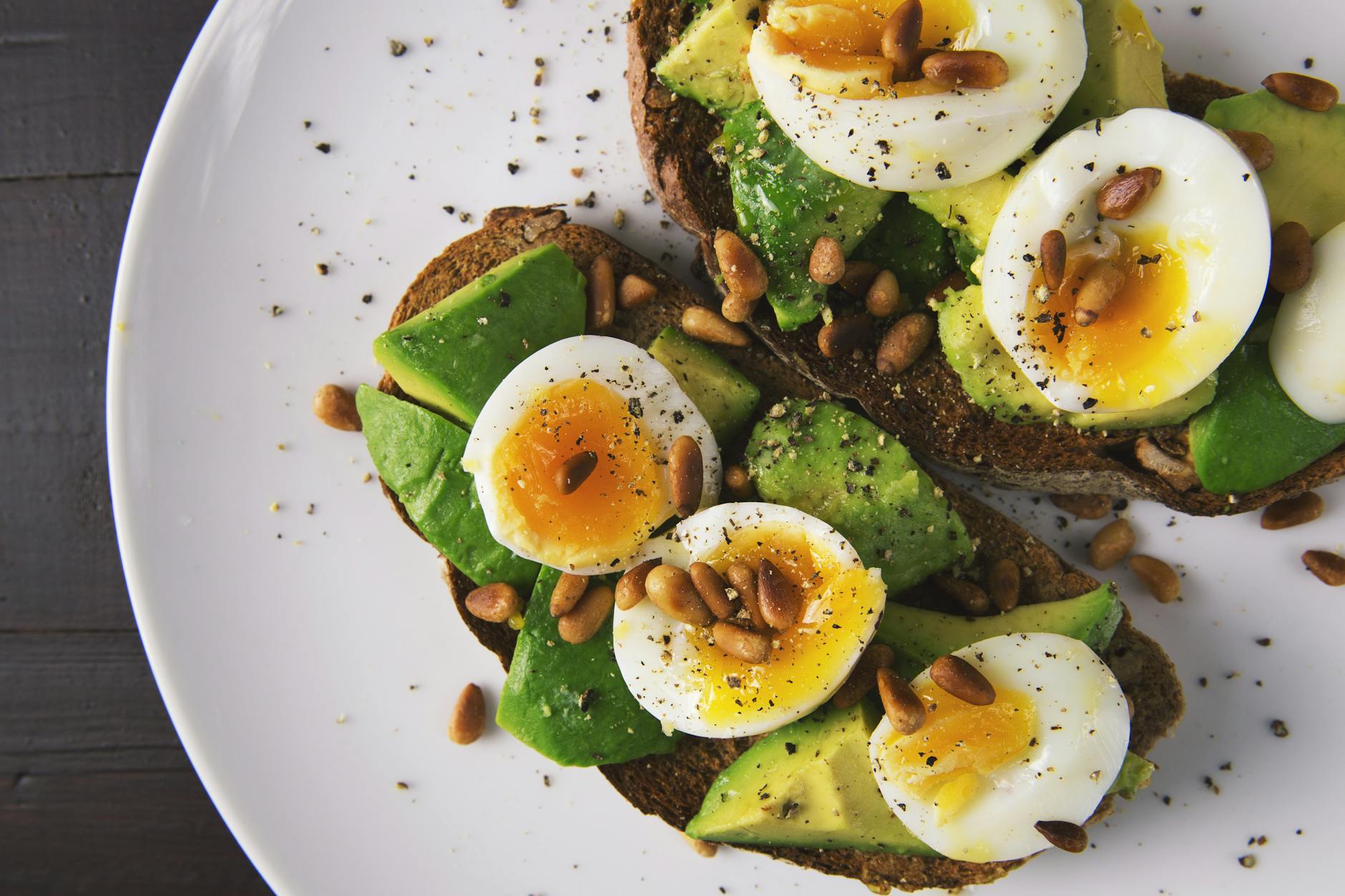
- Eggs – $0.10 per gram. A dozen eggs will give you 72 grams of protein. Use them boiled, scrambled, or in an omelet; they’re versatile and cheap.
- Chicken thighs – $0.07 per gram. The dark meat is cheaper than breasts and still packs a solid protein punch. Cook a batch and use across salads, wraps, or stir‑fries.
- Canned tuna (in water) – $0.04 per gram. A single 5‑oz can offers about 30 grams of protein. Great for quick lunches or adding to pasta.
- Greek yogurt (plain, low‑fat) – $0.08 per gram. A 6‑oz cup delivers 15 grams. Mix with fruit or oats for a breakfast that’s both filling and protein‑dense.
- Lentils – $0.03 per gram. A cup cooked provides 18 grams. Pair with rice or use in soups; they’re also rich in fiber.
- Dry beans (black, chickpeas, kidney) – $0.02 per gram. A cup cooked gives 15 grams. Soak them overnight to save time.
- Cottage cheese – $0.06 per gram. Half a cup offers 12 grams. Mix with veggies for a snack.
- Whey protein powder – $0.05 per gram. A scoop (about 30 grams) costs around $1.30. It’s a convenient way to top up when you’re short on time.
- Tofu – $0.04 per gram. A 3‑oz block delivers 8 grams. It’s a great plant‑based option that absorbs flavors.
- Peanut butter – $0.05 per gram. Two tablespoons provide 8 grams. Spread on whole‑grain toast for a quick protein hit.
Notice that many of these foods double as protein and other macronutrients. Eggs and chicken thighs, for instance, give you healthy fats and essential vitamins. Beans and lentils bring complex carbs and fiber, helping you stay full between meals. By rotating these staples, you keep meals interesting while staying on target.
Want a quick cheat sheet? Keep a small pantry of the above items, and you’ll rarely run out of options. For more ideas, check out our nutrition and meal plans. Even on a tight budget, the protein density of these foods means you can meet your daily goal without buying expensive cuts or specialty supplements.

Meal Planning: Make Protein Simple and Predictable
Once you know what foods work for you, the next step is to build a routine that fits your lifestyle. The trick is to create “protein blocks” that you can mix and match throughout the week. Here’s a sample approach that works for a 160‑pound lifter needing ~140 grams of protein:
- Breakfast (30g) – 3 eggs scrambled (18g) + 1 cup Greek yogurt (15g). Total 33g. Adjust portion if you need a tighter calorie count.
- Mid‑morning snack (15g) – 1 scoop whey protein mixed with water or milk (30g) and a handful of almonds (5g).
- Lunch (35g) – 6‑oz grilled chicken thigh (38g) with quinoa and steamed veggies.
- Afternoon snack (15g) – 1 cup cooked lentils (18g) tossed with a squeeze of lemon and spices.
- Dinner (35g) – 5‑oz canned tuna (30g) in a salad with mixed greens and a drizzle of olive oil.
- Evening snack (15g) – 1 cup cottage cheese (12g) with sliced cucumber.
Notice how each meal and snack contributes a chunk