

When you’re just starting out on a muscle‑building journey, the first thing most people think about is the gym routine, but discovering budget protein foods can be a game‑changer for your wallet and your gains. But if you’re on a tight budget, you’ll soon discover that what you put on your plate can be just as critical as the weight you lift. Protein is the building block of muscle, and choosing the right sources can give you the gains you want without breaking the bank.
In this guide, we’ll dive into the best high‑protein foods that fit a beginner’s wallet and a beginner’s schedule. We’ll focus on budget protein foods that deliver the nutrients you need without overspending. We’ll look at where the protein comes from, how to estimate your needs, and how to mix and match foods so that every meal supports growth and recovery. Ready to turn your kitchen into a muscle‑building ally? Let’s get started.
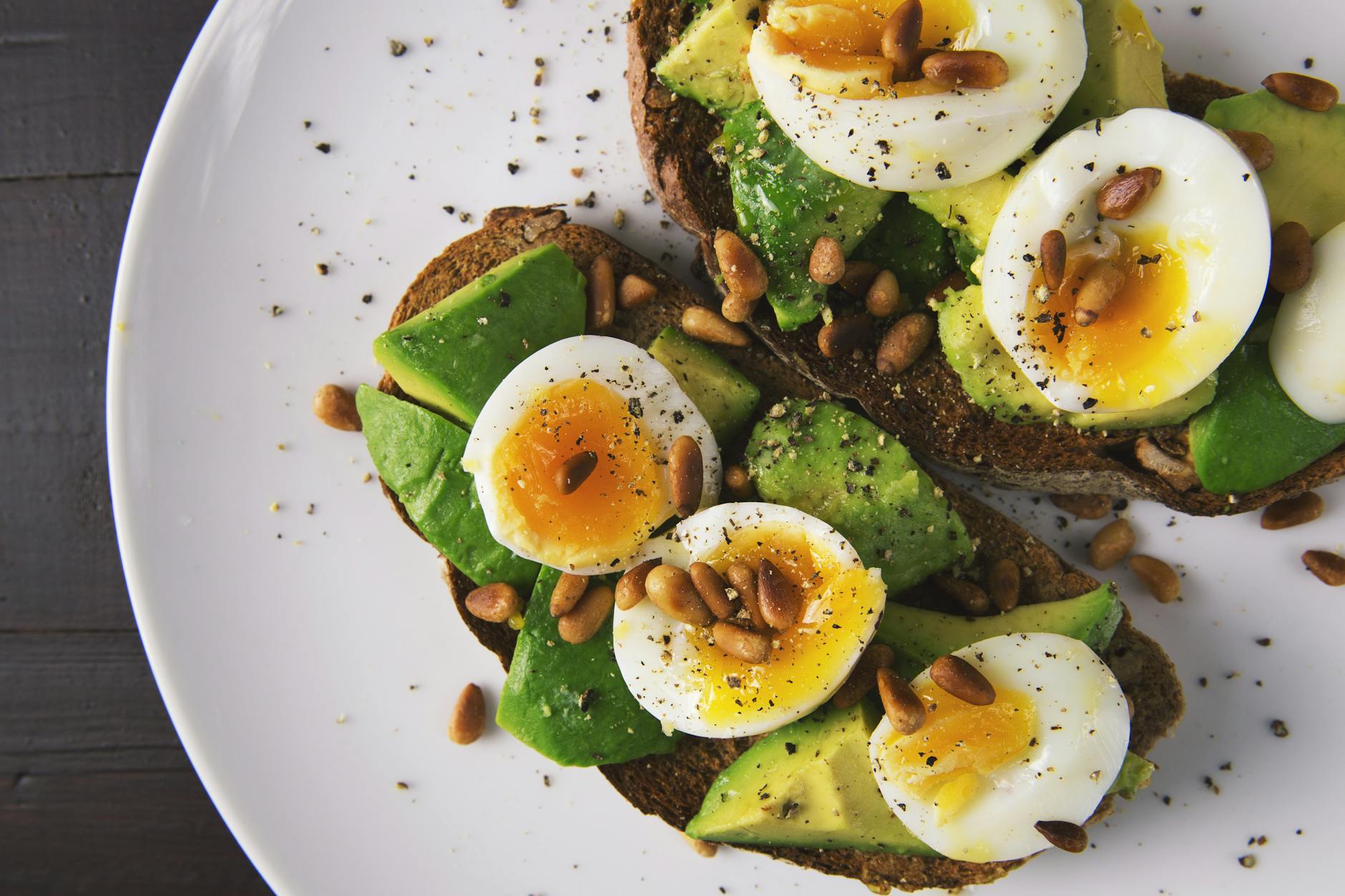
1. Why Protein Matters—and How Much You Need
Muscle fibers are made of proteins called myofibrils. When you lift, micro‑tears form, and protein repairs those tears, making the fibers thicker and stronger. The body needs a steady supply of amino acids—its building blocks—to keep that repair process running.
For a beginner who’s training 3–4 times a week, the general recommendation is about 1.6 to 2.2 grams of protein per kilogram of body weight each day. That’s roughly 0.7 to 1 gram per pound. If you weigh 150 pounds, aim for about 105 to 165 grams of protein daily. Spread that across meals and snacks, and you’ll see better recovery and more consistent gains.
Keep in mind that “protein quality” matters. According to Harvard Health, protein quality plays a crucial role in muscle synthesis. Animal proteins provide all nine essential amino acids, while most plant proteins are missing one or more. But that doesn’t mean you can’t build muscle on a plant‑based diet—just be mindful of combining complementary foods or using a protein supplement if needed.
2. Budget Protein Foods: Animal Powerhouses
Animal proteins are often the go‑to source for muscle building because they’re complete and highly bioavailable. The trick is to pick the most affordable cuts and smart shopping habits. These budget protein foods are affordable and high in quality.
- Chicken Breast (Skin‑less, Boneless) – A staple for many lifters, it offers about 31 grams of protein per 100 grams. Buy in bulk, freeze portions, and look for sales. A 2‑lb bulk pack can drop from $6 to $3 in a grocery store sale.
- Ground Turkey – Slightly cheaper than breast, ground turkey gives around 24 grams of protein per 100 grams. It’s versatile for burgers, tacos, or stir‑fries. Opt for the leaner 93% lean versions to keep fat low.
- Canned Tuna or Salmon – A 100‑gram can delivers 20–25 grams of protein and is a quick, shelf‑stable option. Look for “no added salt” varieties to keep sodium in check.
- Eggs – Often the most economical protein source, a single large egg contains about 6 grams of protein. Whole eggs also provide healthy fats and essential vitamins. Buying a dozen for under $3 is a solid deal.
- Greek Yogurt – A thick, creamy option that packs around 10 grams of protein per 100 grams. Choose plain, low‑fat varieties to avoid hidden sugars, and consider buying large tubs for a better price per gram.
- Lean Beef (Ground or Steaks on Sale) – While higher in cost, a good sale can bring a lean steak down to $4–5 per pound. Ground beef, especially the 90% lean cuts, offers a good protein punch for a fraction of the price.
Tips for maximizing value:
- Shop at wholesale clubs or local markets for bulk discounts.
- Buy meat in bulk, portion it, and freeze. This prevents waste and locks in lower prices.
- Look for “value packs” where the store mixes a cheaper cut with a higher‑grade one—often a better deal than buying the high‑grade alone.
For more ideas, check out our budget-friendly nutrition tips.
3. Budget Protein Foods: Plant‑Based Options
Plant proteins can be just as effective for muscle building, especially when you pair them smartly. They’re typically lower in cost per gram and offer a range of micronutrients that support overall health. These budget protein foods also include many plant options.
- Lentils – A cup of cooked lentils provides about 18 grams of protein and 15 grams of fiber. They’re cheap, cook quickly, and can be used in soups, stews, or salads.
- Chickpeas and Other Beans – Chickpeas deliver 15 grams per cooked cup, and black beans give 15 grams too. Buy them dry for the best price, or canned for convenience (watch sodium).
- Tofu – A 200‑gram block offers around 20 grams of protein. It’s inexpensive, absorbs flavors, and works in stir‑fries or grilled dishes.
- Tempeh – Slightly pricier than tofu but denser in protein (about 21 grams per 100 grams). It’s fermented, which can aid digestion.
- Quinoa – While not as cheap as beans, a cup cooked gives 8 grams of protein and is a complete protein on its own. Buy in bulk to reduce costs.
- Pea Protein Powder – A budget option for shakes; a scoop provides 20–25 grams of protein. Look for brands that use no added sugars.
Because most plant proteins are incomplete, combine them with a grain or another plant source. A simple example: lentil soup with quinoa, or a tofu stir‑fry with brown rice. This ensures you get all essential amino acids over the day.

4. Dairy and Eggs: The Versatile, Affordable Duo
Eggs and dairy are often overlooked when people think of budget muscle building, but they’re powerhouses for a