
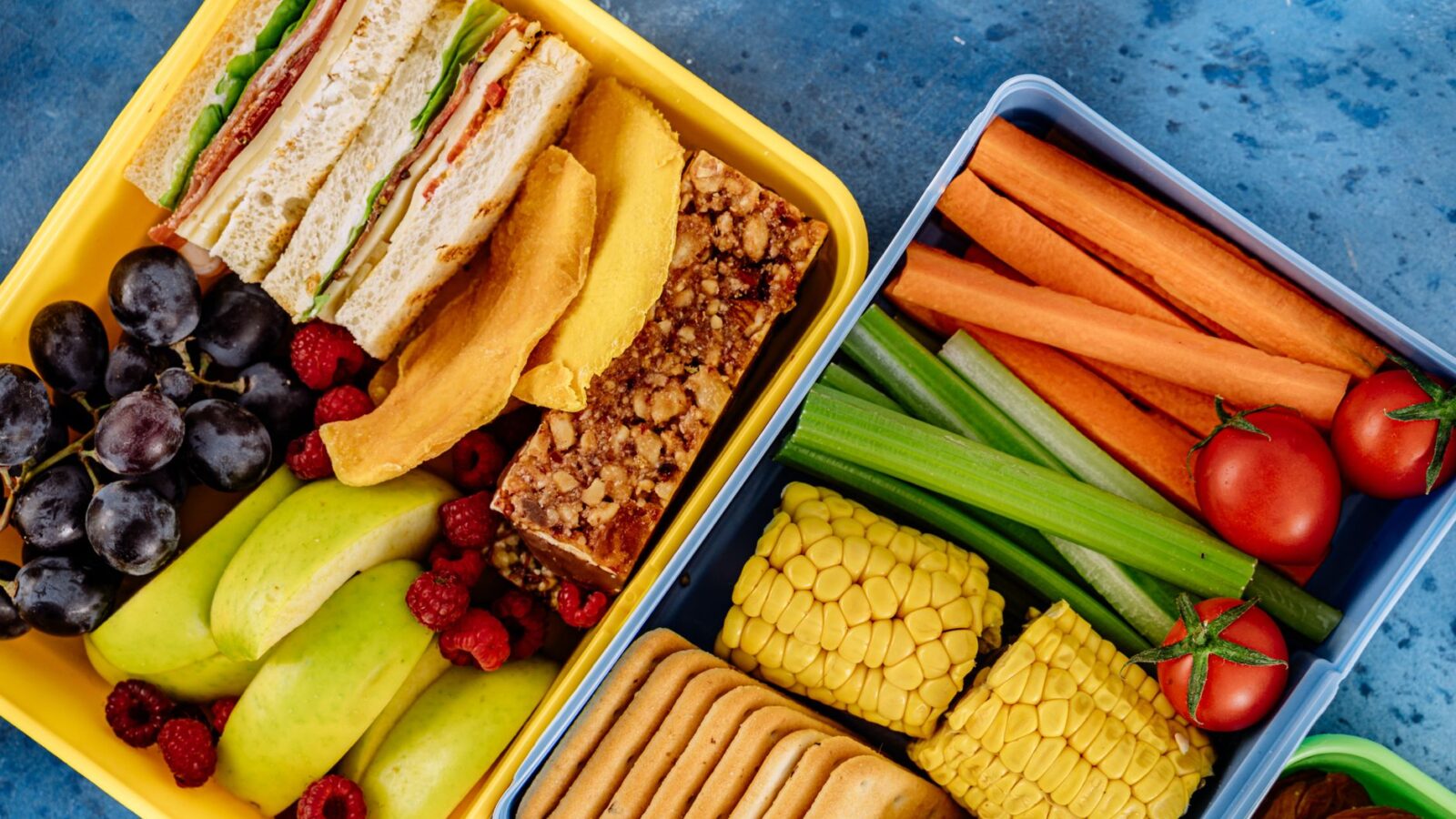
Budget muscle meal prep is essential for getting bigger without breaking the bank. If you’re new to muscle building, the food you put into your body is just as critical as the weights you lift. Yet the idea that you need a pricey protein shake or a fancy meal‑prep service can be a hard wall for anyone on a tight budget. A budget muscle meal prep approach ensures you get the nutrients you need without overspending. The truth is, consistent muscle growth can be achieved with a simple, repeatable meal‑prep routine that keeps your macros on track without blowing your wallet.
In this guide I’ll walk you through a single, practical meal‑prep strategy that covers everything from macro planning to grocery shopping to cooking and storage. By following this budget muscle meal prep system, you’ll see steady gains. Think of it as a step‑by‑step playbook you can follow every week, with a few tweaks for seasonality or taste preferences. By the end, you’ll have a clear system that lets you hit the gym knowing you’re fueling your body correctly.
1. Know Your Numbers Before You Cook
Before you grab a bag of rice or a can of beans, you need to know how much protein, carbs, and fat your body needs to build muscle. Most beginners aim for 1.2 to 1.6 grams of protein per kilogram of body weight per day. If you weigh 70 kilograms (about 154 pounds), that’s roughly 84–112 grams of protein daily. Add a moderate amount of carbs—about 3–5 grams per kilogram—and a small amount of healthy fats to hit your calorie target.
Why does this matter? When you’re meal prepping, you’ll be creating portions that fit those numbers. If you over‑cook a protein source and end up with a surplus of calories but a deficit in protein, you’re not giving your muscles the building blocks they need.
Use a free online calculator (nutrition and meal plans) or a simple spreadsheet to map out your daily macro targets. Write down:
- Target protein (grams)
- Target carbs (grams)
- Target fats (grams)
- Total calorie goal
Keep that sheet handy while you shop and cook. It’s your quick reference to stay on track. For evidence‑based guidelines, see Harvard Health.
2. Build a Budget Muscle Meal Prep Calendar
Meal prep isn’t about cooking every single meal from scratch every day; it’s about batching. Pick one day—usually Sunday—when you’ll do the bulk of the cooking. That way you can spend a few hours in the kitchen, and the rest of the week you’re just reheating or assembling.
Here’s a simple framework you can adapt:
- Choose a core protein: Chicken breast, ground turkey, eggs, canned tuna, or a plant‑based protein like lentils. Pick one that’s cheap and versatile.
- Select a carb base: Brown rice, quinoa, oats, or sweet potatoes. Buying in bulk reduces cost.
- Pick a fiber source: Frozen mixed veggies, canned beans, or a fresh salad mix. Fiber keeps you full and supports digestion.
- Decide on healthy fats: Olive oil, avocado, or a handful of nuts. A small amount goes a long way.
- Plan for snacks: Greek yogurt, cottage cheese, or protein bars (DIY if you want to save money).
When you’re mapping out the week, think about meal timing. A post‑workout meal should be high in protein and carbs, while a pre‑sleep snack can be lower in carbs but still protein‑rich to aid recovery overnight.
To avoid waste, use a meal‑prep container set that separates portions. Label each container with the meal name and date. This way you can grab what you need without opening a whole new batch every time.

3. The One‑Recipe, One‑Day Plan That Works
Let’s dive into a concrete example that you can tweak as you go. The “Chicken, Rice, and Beans” combo is a classic because it’s inexpensive, filling, and scales well. Below is a recipe that makes 6 servings, enough for a full week of lunches and dinners.
Ingredients (for 6 servings):
- 1.5 kg chicken breast (or thighs for more flavor)
- 2 cups brown rice (dry)
- 1 can (400g) black beans, drained and rinsed
- 3 cups frozen mixed vegetables (peas, carrots, corn)
- 1 tablespoon olive oil
- Spices: garlic powder, paprika, cumin, salt, pepper
- Optional: salsa or low‑sodium soy sauce for flavor variations
Preparation Steps:
- Preheat oven to 200°C. Season chicken with spices and a drizzle of oil. Bake for 20–25 minutes until cooked through.
- Cook rice according to package instructions. Use a rice cooker or pot; add a pinch of salt.
- In a pan, heat the remaining oil, add frozen veggies, and sauté for 5 minutes. Add black beans and heat through.
- Divide the chicken, rice, and veggie‑bean mix into 6 containers. Store in the fridge for up to 4 days or freeze for later.
- For a quick snack, mix Greek yogurt with a spoonful of oats and a dash of honey. Portion into single servings.
Cost breakdown (approximate):
- Chicken: $12 ($2 per serving)
- Rice: $3 ($0.50 per serving)
- Beans: $2 ($0.33 per serving)
- Veggies: $4 ($0.67 per serving)
- Extras (oil, spices): $1 ($0.17 per serving