
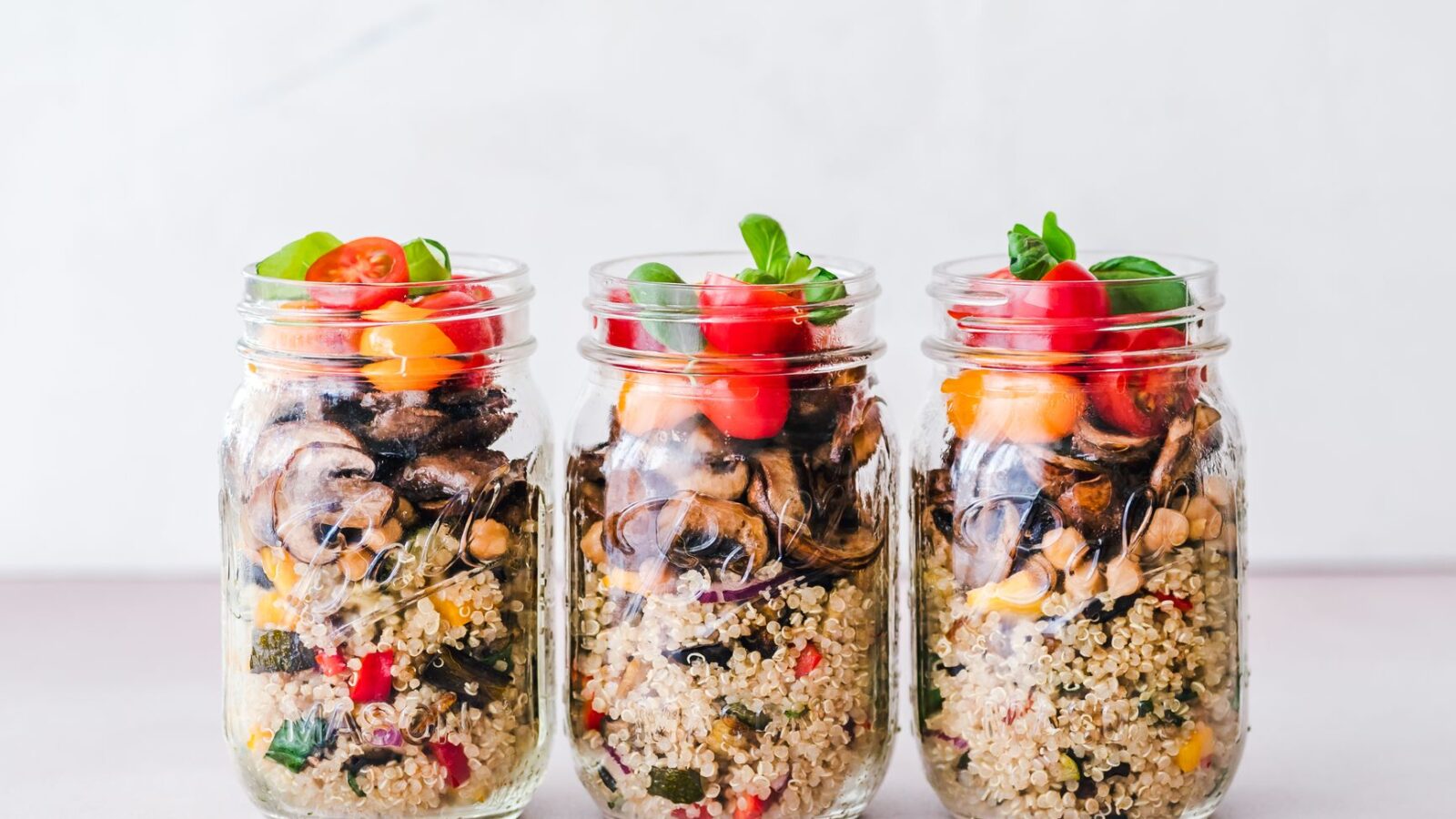
Budget protein foods let you build muscle without breaking the bank. Muscle building doesn’t have to be a pricey affair. For most people, the biggest hurdle is figuring out how to pack enough protein into a budget‑friendly plate that fuels growth and recovery. If you’re just starting out at the gym or you’re a student or a part‑time worker trying to stay lean while adding mass, the right foods can make all the difference.
In this post we’ll skip the generic “top 10 protein foods” lists and dive into a practical framework: how to pick the best high‑protein foods for muscle building without breaking the bank, how to combine them into a daily plan, and what common mistakes can sabotage your gains. These budget protein foods can be bought in bulk to stretch your dollars.
Ready to turn protein into a growth engine? When planning meals, prioritize budget protein foods that offer the highest protein per cost. Let’s get into the meat of it.
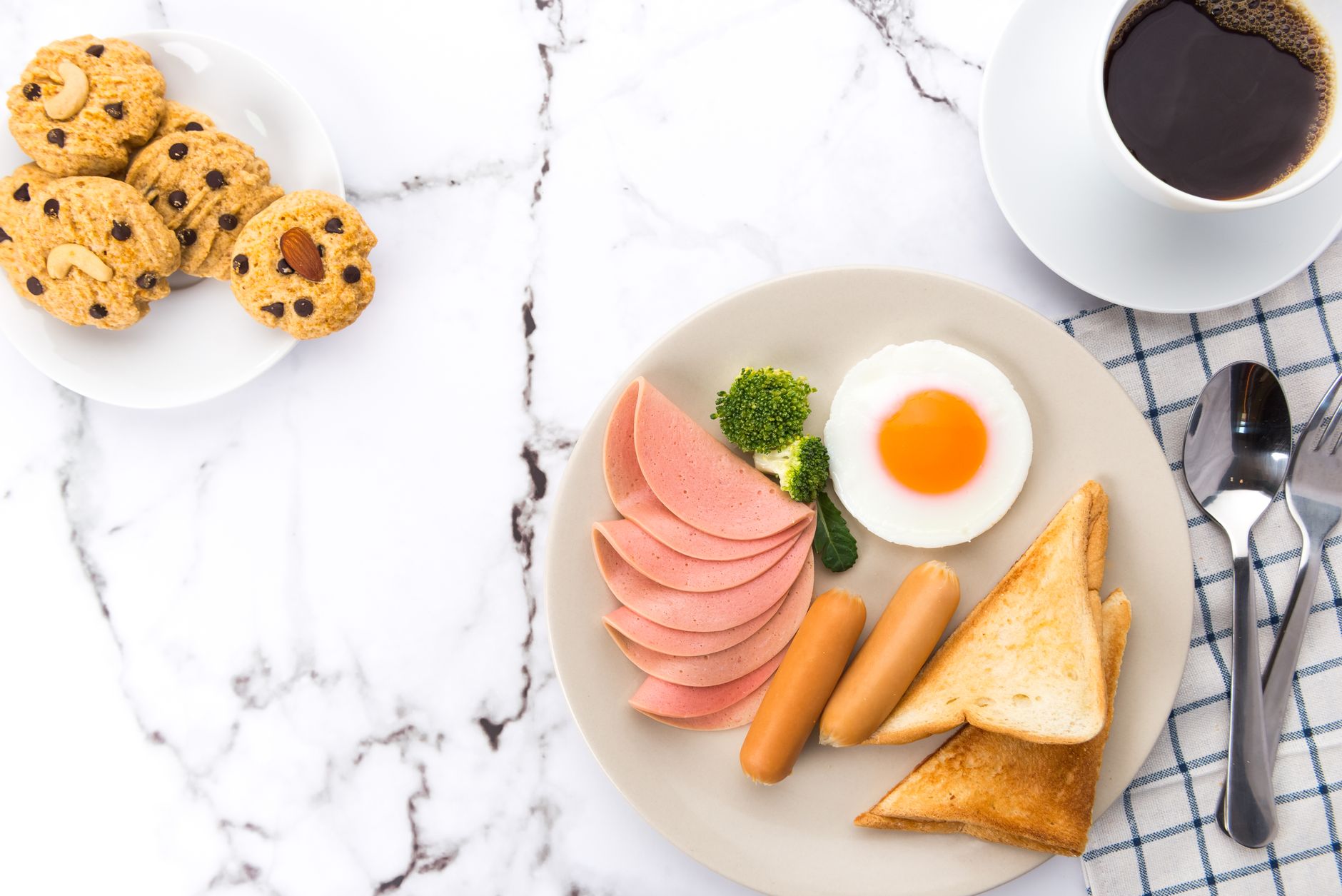
The Budget Protein Foods Blueprint for Muscle Growth
Before we talk about specific foods, it helps to understand why protein matters. Muscle fibers repair and rebuild in response to stress, and that repair process is fueled by amino acids—the building blocks of protein. The body needs a steady stream of high‑quality protein to maximize muscle protein synthesis (MPS) each day.
Key points to remember:
- Daily Requirement – A common guideline is 1.6–2.2 grams of protein per kilogram of body weight for active individuals. That translates to roughly 0.7–1.0 grams per pound. For a 150‑lb lifter, that’s 105–150 grams a day.
- Protein Quality – Look for complete proteins that contain all nine essential amino acids, especially leucine, which sparks MPS. Animal sources are naturally complete, while many plant sources are not unless combined.
- Timing – Consuming protein within a 30‑minute to 2‑hour window after a workout can help maximize recovery. That said, total daily intake trumps timing for most people.
- Digestibility – Some proteins are easier to digest than others. Whey is fast, casein is slow, and plant proteins vary in digestibility.
Understanding these fundamentals lets you choose foods that fit your budget and your schedule, not just what’s on a “top‑list.”
Budget‑Friendly Protein Foods That Deliver
When you’re watching the dollar, the trick is to pick foods that offer the most protein per cost, are versatile in recipes, and can be bought in bulk. Below we break down three categories—animal, plant, and hybrids—highlighting the best performers for each.
1. Animal‑Based Proteins
Animal foods are prized for their complete amino acid profiles and high digestibility. The challenge is keeping the price low.
- Chicken Breast (Skinless) – The classic go‑to. A 6‑oz. piece packs about 36 grams of protein for around $2–3 when bought in bulk. It’s neutral in flavor, cooks quickly, and can be seasoned in countless ways. Look for sales or buy a whole chicken and portion it out.
- Ground Turkey or Beef – Ground options are cheaper than steaks and offer a good protein yield. A 4‑oz. serving of lean ground turkey delivers 22 grams of protein for roughly $1.50. Ground beef can be more expensive but still economical if you choose 90% lean.
- Eggs – A single egg gives 6 grams of protein for about 15¢. Whole eggs provide essential fats and micronutrients, while egg whites are a leaner, more cost‑effective alternative if you’re watching calories.
- Canned Tuna or Salmon – A 5‑oz. can of tuna has 25 grams of protein for about $1.50. Salmon offers omega‑3s but is pricier; look for frozen or bulk options.
2. Plant‑Based Proteins
Plants can be surprisingly efficient when you know how to combine them. They’re often cheaper and have lower environmental footprints.
- Dry Lentils and Chickpeas – A cup of cooked lentils delivers 18 grams of protein for under $0.5. They’re also high in fiber and minerals. Pair with rice or whole wheat to add missing amino acids.
- Peas – Green peas are a budget friend, offering 9 grams per cup cooked. They’re great in soups or stir‑fries.
- Tofu – Firm tofu contains about 10 grams per 3‑oz. block for $1–1.5. It absorbs flavors well, making it a versatile base for sauces.
- Quinoa – Though pricier than rice, quinoa is a complete protein with 8 grams per cup cooked. Buy in bulk or look for sales.
- Peanut Butter – A two‑tablespoon spread provides 7–8 grams of protein and healthy fats for about $0.5. Use it in smoothies or on whole‑grain toast.
3. Hybrid Options
Combining animal and plant foods can give you the best of both worlds—complete proteins on a budget, plus extra micronutrients.
- Greek Yogurt – A plain 6‑oz. serving contains 15 grams of protein for about $1.5. Opt for store brands or buy in large containers.
- Milk or Plant Milk Fortified with Protein – A cup of dairy milk gives 8 grams of protein for $0.7. Plant milks with added protein (soy, pea) can be similar in price.
- Protein‑Rich Beans – Black beans, navy beans, and others add 15 grams per cup cooked. Combine with rice or whole wheat for a complete profile.
When shopping, look for sales, buy in bulk, and consider frozen or canned varieties for extended shelf life. A little planning can stretch each dollar further.

Building a Daily Meal Plan Around Protein
Knowing your protein sources is one thing; translating that into a daily meal schedule is another. The goal is to spread protein evenly across meals to keep MPS stimulated throughout the day.
Below is a sample 2000‑calorie, 150‑gram protein day that balances affordability with variety. Feel free to swap foods within the same category to keep costs low. For additional ideas, explore our nutrition and meal plans collection.
Breakfast
• 1 cup cooked oatmeal (6 g protein) topped with 2 tbsp peanut butter (8 g) and a sliced banana.
• 3 egg whites (12 g) scrambled with spinach.
Total: ~26 g protein.
Mid‑Morning Snack
• 1 cup low‑fat Greek yogurt (15 g) mixed with a handful of frozen berries.
Total: ~15 g protein.
Lunch
• 6 oz. grilled chicken breast (36 g) served over 1 cup cooked quinoa (8 g) with roasted veggies.
• 1 cup mixed greens with olive oil dressing.
Total: ~44 g protein.
Afternoon Snack
• 1 can of tuna (25 g) mixed with a tablespoon of light mayo and whole‑grain crackers.
Total: ~25 g protein.
Dinner
• 4 oz. lean ground turkey (22 g) cooked into a chili with beans and tomatoes.
• 1 cup cooked lentils (18 g) as a side.
• Small side salad.
Total: ~40 g protein.
Evening Snack (Optional)
• 1 cup cottage cheese (28 g) with a drizzle of honey.
Total: ~28 g protein (if needed).
In this example, you hit about 200–210 grams of protein—well above the 1.6–2.2 g/kg guideline for a 150‑lb individual. Adjust portion sizes if you’re heavier or lighter, but keep the distribution even.
Key takeaways:
- Divide protein into 4–6 meals to keep synthesis steady.
- Use inexpensive staples like beans, lentils, and eggs to fill out the numbers.
- Incorporate a mix of animal and plant sources to keep the budget in check and the nutrient profile balanced.
- Remember, the quality of budget protein foods matters as much as the quantity.
More for You
Why Intermittent Fasting Feels Like a Shortcut for Muscle Gain
Why Intermittent Fasting Muscle Gain Feels Like a Shortcut Intermittent fasting muscle gain is a hot topic you’ll see every time you…
Budget-Friendly Muscle-Building Meal Prep Guide for Beginners
Budget muscle meal prep is a common struggle for beginners trying to build muscle while keeping their wallet happy. You hit the…
Budget-Friendly High-Protein Foods for Beginner Muscle Building
Budget high protein foods aren’t just about hitting the gym hard; they’re about getting the most muscle bang for your buck. If…