
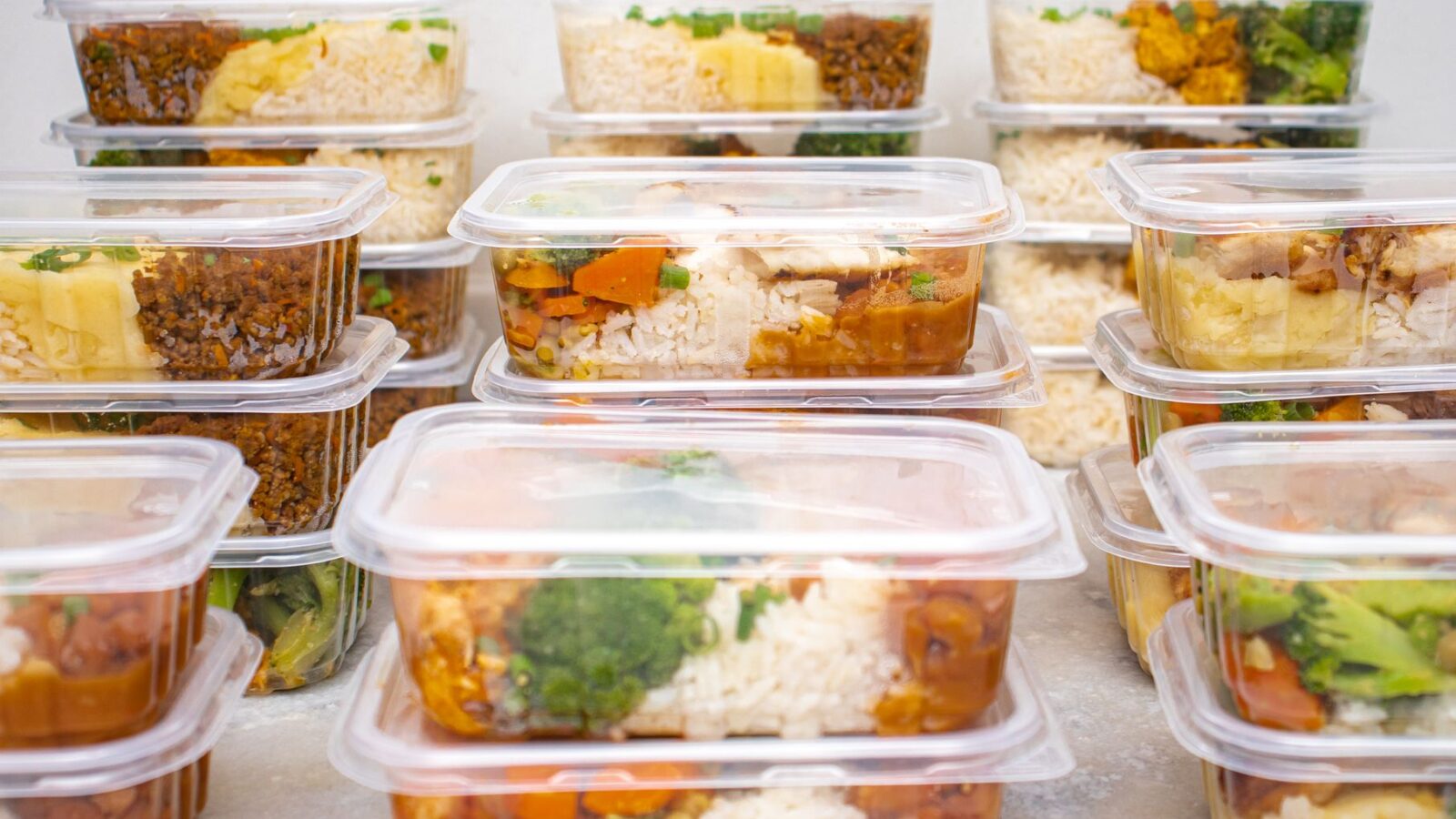
Muscle growth starts in the kitchen with budget protein foods. For most beginners, the first hurdle is figuring out where to get enough protein without draining the wallet. You might think the only way to build muscle is to splurge on pricey whey or fancy meal‑prep kits. That’s not the case. By focusing on a few smart, budget protein foods, you can hit your gains without breaking the bank.
In this guide we’ll dig into what makes a protein “high‑quality,” how to balance animal and plant options, and which foods give you the most bang for your buck. Whether you’re a college student, a part‑time worker, or just someone who wants to feel stronger, the tips below will help you build muscle on a realistic budget.

Understanding the Role of Budget Protein Foods in Muscle Building
Protein is the building block of muscle tissue. When you lift weights, you create micro‑tears in muscle fibers. Protein supplies the amino acids that repair and grow those fibers, turning your effort into actual muscle mass. The key is to consume enough protein, at the right times, and from sources that provide the necessary amino acids.
Most research suggests a range of 1.2 to 2.0 grams of protein per kilogram of body weight per day for people who are actively lifting. That means a 70‑kg man would need roughly 84 to 140 grams of protein daily. For a beginner, aiming for the lower end of that range is a good start. You can always adjust upward if you’re not seeing progress.
Timing matters too. Consuming protein within a window of about 30 minutes to 2 hours post‑workout can maximize muscle protein synthesis. That doesn’t mean you need a protein shake right after every session; a balanced meal works just as well. According to Harvard Health, protein timing can influence recovery outcomes.
Protein Quality: Complete vs. Incomplete and How to Mix It Up
Animal proteins—like eggs, dairy, meat, and fish—are usually “complete,” meaning they contain all nine essential amino acids your body can’t produce on its own. Plant proteins often lack one or more of these amino acids, making them “incomplete.” But that doesn’t mean plant sources are bad for muscle growth.
By combining different plant foods—think beans with rice or hummus with whole‑grain pita—you can create a complete protein profile. This strategy is especially useful when you’re watching costs, because plant foods tend to be cheaper per gram of protein.
When you mix plant and animal proteins throughout the day, you benefit from a wide range of micronutrients and fiber while still hitting your protein goals. It also keeps meals interesting and helps prevent the monotony that can lead to diet fatigue.

Affordable Budget Protein Foods That Pack a Punch
Below we’ll walk through the foods that deliver high protein values without heavy price tags. The goal isn’t to create a grocery list but to highlight categories and give you a sense of how to pick the best options for your budget. These budget protein foods are both cheap and nutritious, making them ideal for anyone watching their expenses.
Eggs are a classic. One large egg offers about 6 grams of high‑quality protein and is incredibly versatile. Buying them in bulk—especially from local farmers or wholesale clubs—can reduce the cost to less than 10 cents each. Use them for omelets, hard‑boiled snacks, or scrambled with veggies for a quick lunch.
Chicken thighs beat breast in both price and flavor. Thighs are usually 20-30% cheaper than breast while still delivering roughly 25 grams of protein per 100 grams. Roast a batch, shred it into salads or wraps, and you’ll have a ready‑to‑eat protein source for several meals.
Canned tuna or salmon are a convenient and inexpensive way to add omega‑3s and protein to your diet. A single can of tuna provides about 20 grams of protein and can be mixed into rice bowls or tossed with pasta for a quick dinner. Look for “in‑water” varieties to keep calories in check.
Greek yogurt is a dairy powerhouse. A single container can yield 15-20 grams of protein depending on the brand. Opt for plain, low‑fat varieties and sweeten with fruit or a drizzle of honey. The thick texture makes it a great base for smoothies or a snack with nuts.
Cottage cheese is another dairy staple that’s inexpensive and protein‑dense. A half‑cup of low‑fat cottage cheese contains around 12 grams of protein. Pair it with pineapple or berries for a sweet treat, or mix with herbs for a savory bite.
Lentils, chickpeas, and other beans are plant‑based protein powerhouses that also provide fiber and complex carbs. A cup of cooked lentils offers about 18 grams of protein. Beans are cheap, especially when bought dry, and can be used in soups, stews, or salads. Pair them with a whole‑grain like quinoa or brown rice to complete the amino acid profile.
Tofu and tempeh are great for those who prefer a plant‑based option or want a cheaper alternative to meat. Firm tofu packs about 8 grams of protein per 100 grams, while tempeh offers around 19 grams. Both absorb flavors well, making them ideal for stir‑fries or marinated grilled dishes.
Peanut butter is often overlooked in protein discussions, but a two‑tablespoon spread delivers about 8 grams of protein. It’s also rich in healthy fats, making it a calorie‑dense option that can help with energy needs on a budget. Spread it on whole‑grain toast or blend into smoothies for added protein.
Protein‑rich grains like quinoa add a plant protein boost while also delivering carbs. A cup of cooked quinoa contains about 8 grams of protein. Use it as a base for salads or as a side to any protein‑heavy dish.
When you shop for budget protein foods, look for sales, buy in bulk, and consider store brands. Even small savings on each item add up over weeks, giving you a larger protein budget without sacrificing quality.
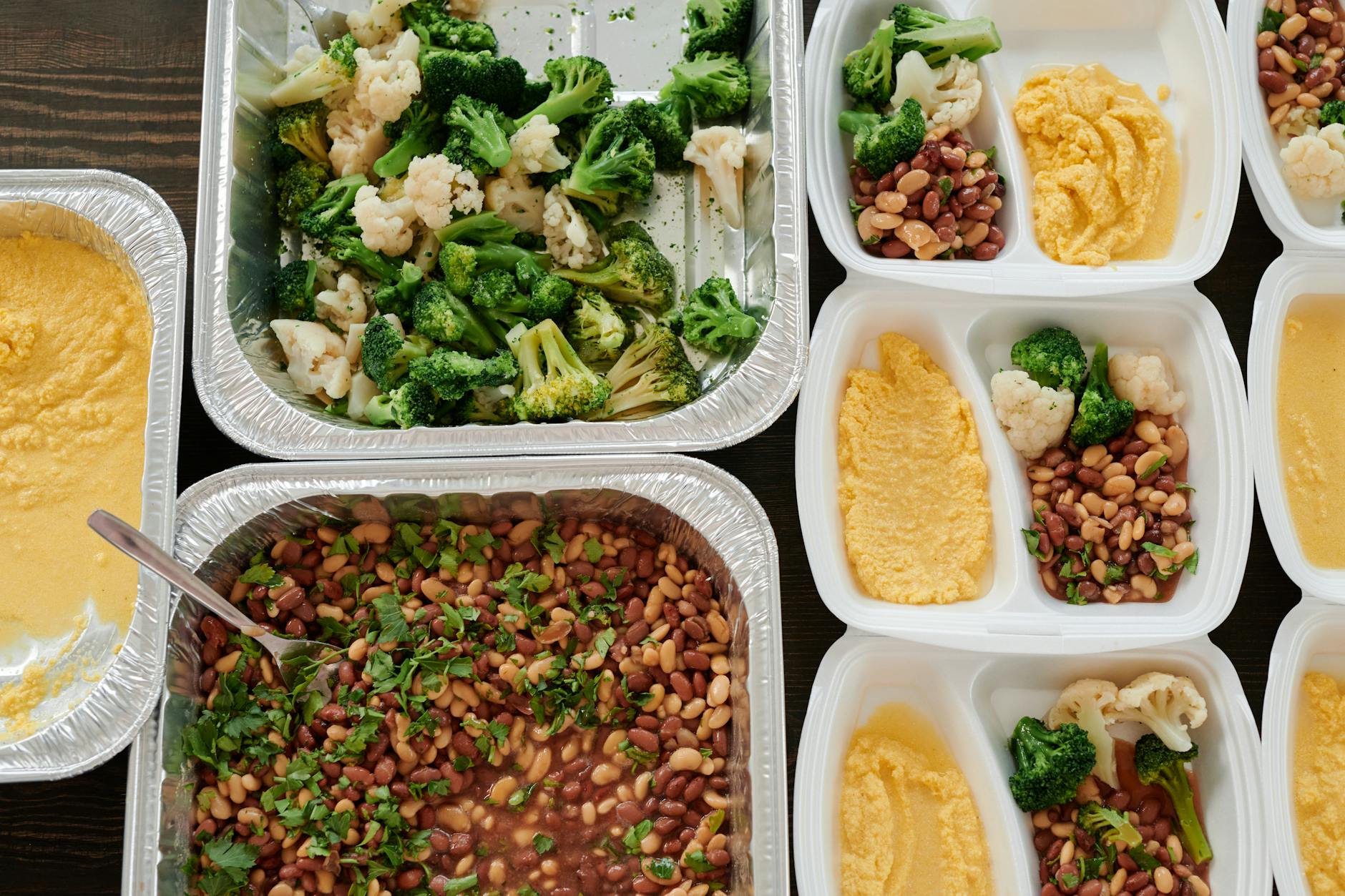
Building a Simple, High‑Protein Meal Plan on a Budget
Having a clear meal plan helps keep your protein intake consistent. Below is a sample day that incorporates many of the foods mentioned, but feel free to swap in your favorites. The goal is to spread protein intake evenly across meals and snacks, ensuring muscle repair can happen throughout the day.
Breakfast: Scrambled eggs with spinach and a slice of whole‑grain toast. Add a side of Greek yogurt topped with a handful of berries. Total protein: ~35 grams.
Mid‑morning snack: A small handful of almonds (about 6 grams of protein) and a piece of fruit.
Lunch: Chicken thigh salad with mixed greens, chickpeas, and a vinaigrette. Add a small serving of quinoa. Total protein: ~45 grams.
Afternoon snack: A protein shake made from a scoop of whey or a plant protein powder and a banana, or a cottage cheese bowl with pineapple.
Dinner: Stir‑fry with tofu, mixed veggies, and a soy‑based sauce. Serve over brown rice. Total protein: ~30 grams.
Adjust portion sizes to match your calorie needs. If you’re on a tighter budget, swap out the more expensive items for cheaper equivalents—