
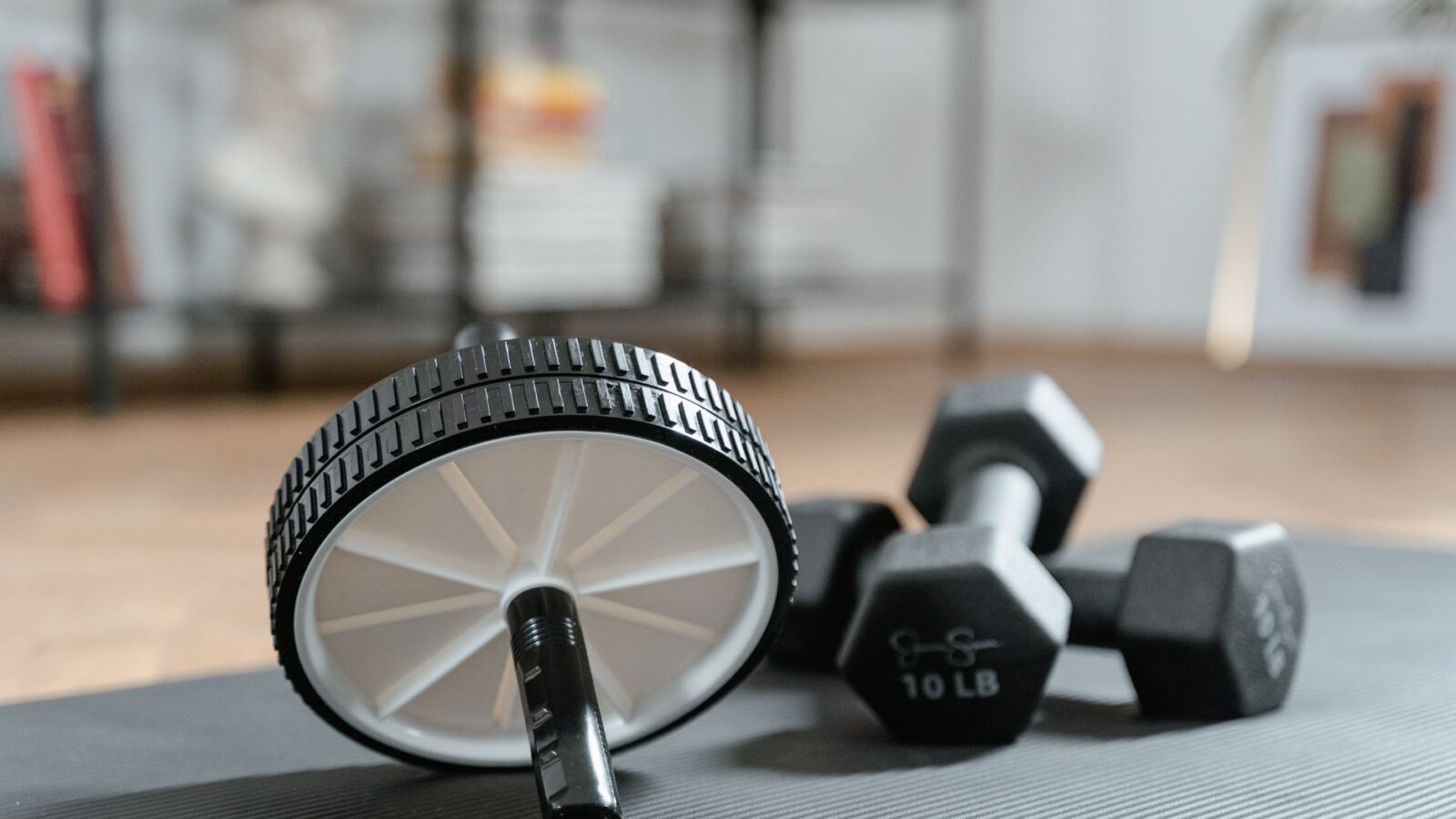
Building a budget home gym is more than just buying a few dumbbells and hoping for the best. For people who want to grow muscle, stay fit, or just keep a steady routine, the way you set up your space can make or break your progress. If you’re new to the game and have a tight budget, you’ll need a plan that blends smart space planning with equipment that actually moves your body. In this guide, we’ll walk through every step—from measuring the room to choosing gear that can handle multiple workouts—so you can build a gym that feels like a personal studio, not a cramped closet.
A budget home gym can still deliver professional‑grade results with smart equipment choices.
1. Map Your Goals and Your Room
Before you even pick up a barbell, ask yourself two questions: What do I want to achieve? and How much room do I have? These answers will steer every purchase and arrangement.
Define your training focus. Are you looking to bulk up, trim down, or simply stay active? Each goal demands slightly different equipment. For hypertrophy and strength, you’ll need a solid barbell set, a bench, and a rack. For cardio, a jump rope or a compact bike might be more valuable. If you’re into functional training, resistance bands and a kettlebell can cover a lot of ground.
Measure your space. Grab a tape measure and note the width, length, and ceiling height. Don’t forget to account for doorways, windows, and any built‑in features that might interfere. A good rule of thumb is to leave at least 12–18 inches of clearance around each piece of equipment to avoid injury and to keep the area feel open.
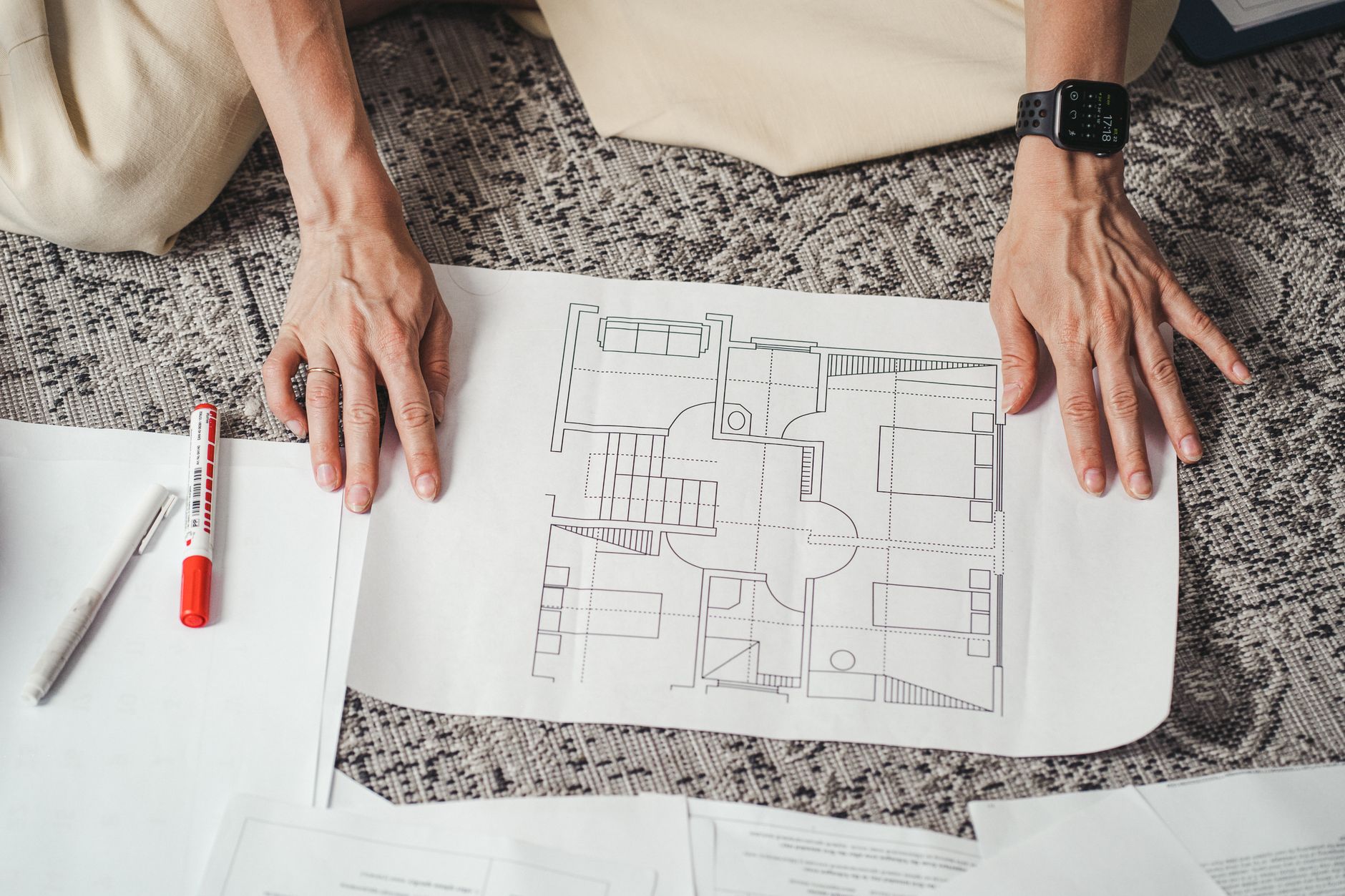
Create a floor plan. Sketch a simple diagram on paper or use a free online tool. Place your most used gear—like the barbell and bench—centered, with easy access to the floor for bodyweight moves. Keep heavier items in a stable spot, like a squat rack against a wall, to reduce the risk of tipping.
When you’re mapping out, consider the future. If you plan to add a treadmill later, leave space for that. If you might swap a bench for a plyo box, design the layout so it’s easy to move pieces around.
2. Build a Core Strength Hub for a Budget Home Gym
When planning your budget home gym, prioritize multi‑functional gear. Once you know the goals and the room, the next step is selecting core equipment. You don’t need a full commercial setup; you can assemble a powerful system with a few key pieces.
- Adjustable Dumbbells. Instead of buying 10–15 separate weights, a single adjustable set can replace a whole rack. Look for models that allow you to switch plates in seconds, so you can move from light to heavy without a cluttered shelf.
- Barbell and Plates. A standard Olympic bar (45 lbs) plus a pair of 25‑lb plates is a solid starting point. If you can stretch the budget, add a 45‑lb plate each side and a 10‑lb plate for lighter work. For a tighter budget, consider a steel bar with a pair of 20‑lb plates and a 10‑lb plate—good enough for most bodybuilders.
- Power Rack or Squat Stand. A power rack offers safety for heavy lifts and can double as a bench. If space is limited, a squat stand with a pull‑up bar is a more compact option. Many affordable models come with adjustable safety arms and a rack for dumbbells.
- Flat or Adjustable Bench. A sturdy bench is essential for presses and rows. Look for one that folds or slides under the rack to save space.
- Resistance Bands. Bands are cheap, versatile, and take up almost no room. Use them for warm‑ups, assistance on pull‑ups, or as a supplemental load for squats and presses.
- Optional: Kettlebells or Sandbags. If you can stretch a bit, a kettlebell or a sandbag adds variety. Kettlebells are great for swings and snatches, while sandbags can be used for carries and weighted squats.
When buying, shop for items that have a long lifespan and a solid warranty. A well‑made barbell can last decades if you keep it clean and avoid dropping it on hard surfaces. For more ideas on affordable equipment, check out budget gym gear ideas.
3. Add Cardio and Functional Pieces Without Overcrowding
Many beginners think cardio is a separate area, but you can integrate it into a small home gym. Choose equipment that fits your space and your training style.
- Jump Rope. A basic rope is less than $10 and can deliver a high‑intensity cardio session in 10 minutes.
- Compact Rowing Machine. If you have a bit more budget, a small rowing machine can provide a full‑body workout and is easy to store.
- Resistance Bands. Beyond strength, bands can help with mobility drills and light cardio circuits.
- Bodyweight Circuit. Use your own body for pull‑ups, push‑ups, squats, and planks. Add a pull‑up bar to a doorway to maximize the use of vertical space.
- DIY Plyo Box. A sturdy wooden box can replace a pricey plyo box. Build one using plywood and some sand or rubber padding.
Keep in mind that cardio gear can be stored vertically or folded. A folding treadmill or a wall‑mounted bike saves floor space when not in use.

4. Space‑Saving Hacks for a Budget Home Gym
Now that you’ve chosen the gear, let’s talk about keeping the area tidy and functional. Space is often the biggest hurdle for home gym owners.
- Wall Mounts. Install a wall rack for the barbell and a pull‑up bar. This frees up floor space for squats and deadlifts.
- Stackable Storage. Use hollow containers or stackable racks to store dumbbells and plates. Some racks come with built‑in plate holders.
- Floor Protection. Rubber mats or interlocking gym tiles protect the floor and reduce noise. A 3‑by‑3 tile set can cover most of the workout area.
- Multipurpose Furniture. A sturdy coffee table can double as a platform for step‑ups or a spot for a kettlebell. A storage ottoman can hold towels and accessories.
- Repurpose Household Items. A heavy backpack can become a makeshift sandbag for carries. Old tires can be turned into a balance board for core work.
- Keep It Clean. A simple cleaning routine—wipe down equipment after each session and vacuum the floor—extends the life of your gear and keeps your space inviting.
By thinking vertically and using multi‑use items, you can fit a full range of workouts into a room the size of a small bedroom.
5. Safety, Maintenance, and Tracking Progress
With your home gym set up, it’s time to focus on consistency and safety. A well‑maintained space is a safer space. For evidence‑based workout guidance, see Harvard Health.
- Check Stability. Before each session, make sure the rack is secure and the bench is stable. Tighten bolts and check for wobble.
- Use a Spotting Partner or a Safety Net. If you’re doing heavy lifts, consider a spotter or a padded floor to catch a barbell if you fail a lift.
- Clean Regularly. A quick