
When you’re stepping into a gym for the first time, understanding your beginner protein needs is essential. It’s a question that can feel like a math puzzle, especially when you’re watching the price tag of every protein shake and chicken breast. But getting the numbers right is the foundation of muscle growth, and it doesn’t have to be a luxury. In this post, we’ll break down the science, the math, and the budget tricks that let you hit your goals without breaking the bank.
Think of protein like the bricks that build your muscle house. If you use the wrong amount, the structure will be weak or you’ll waste money on excess. Knowing your beginner protein needs helps you buy just enough, choose the right sources, and avoid the common pitfalls that keep beginners from seeing gains.
Ready to crunch some numbers and meet your beginner protein needs? Let’s dive in.

1. The Basics: Why Beginner Protein Needs Matter for Muscle Growth
Muscle protein synthesis (MPS) is the process your body uses to repair and build new muscle fibers after a workout. Protein provides the amino acids that fuel MPS. If you’re not eating enough, your body will lean on stored protein, slowing recovery and limiting growth. Conversely, eating too much can lead to excess calories that might be stored as fat.
For beginners, the goal is to supply enough protein to maximize MPS without overloading the system. That means finding a sweet spot that’s both effective and affordable.
2. The Math: Calculating Beginner Protein Needs
There are a few common formulas used to estimate protein requirements for muscle growth. The most reliable for beginners is a weight‑based approach that takes activity level into account.
2.1 Start with Your Body Weight
First, convert your weight to kilograms if you’re using pounds. One kilogram equals roughly 2.2 pounds. For example, a 150‑lb trainee is about 68 kg.
2.2 Choose a Protein Range
Research shows that 1.6 to 2.2 grams of protein per kilogram of body weight is optimal for muscle growth in most people. If you’re new to training, aim at the lower end of that range; as you advance, you can shift toward the higher end.
Formula: Protein (g) = Body Weight (kg) × 1.6–2.2 g/kg
Let’s run through a quick example:
- Weight: 68 kg
- Target range: 1.6–2.2 g/kg
- Protein needed: 109–150 g per day
That’s a solid starting point.
2.3 Adjust for Training Intensity and Goals
If you’re doing heavy, high‑volume training or bulking, lean toward 2.2 g/kg. If you’re cutting or have a higher body fat percentage, 1.6 g/kg may be sufficient.
For people who train 4–6 days a week, the higher end is usually safer because muscle repair demands increase. If you’re just getting into weight training, you can start at 1.8 g/kg and adjust as you see progress.
2.4 Factor in Your Budget
Protein sources vary widely in cost. Calculating your target grams lets you plan meals that hit the number without overspending. For instance, if you need 120 g of protein, you could get 60 % from cheaper sources (like eggs, canned tuna, or legumes) and 40 % from higher‑quality but pricier items (like whey or chicken breast). Adjusting your meals to fit your beginner protein needs while staying within budget is straightforward.
2.5 A Quick Reference Table
Below is a handy table you can print or keep on your phone. Pick your weight, find your range, and see how many servings of common protein foods you’ll need.
| Weight (lb) | Weight (kg) | Protein (g/day) | Example Foods (approx.) |
|---|---|---|---|
| 120 | 54 | 86–119 | Eggs, beans, Greek yogurt |
| 150 | 68 | 109–150 | Chicken, lentils, whey |
| 180 | 82 | 131–180 | Beef, tofu, protein powder |
| 210 | 95 | 152–209 | Fish, cottage cheese, chickpeas |
Use this as a baseline, then tweak based on your eating habits and budget. For more detailed meal ideas, check out our nutrition and meal plans.
3. Splitting Your Protein: Timing for Maximum Gains
Once you know the total, the next step is to spread it out. The body can absorb and use around 20–25 g of high‑quality protein per meal for optimal MPS. Eating more than that in one sitting doesn’t provide extra benefit for most people and can feel heavy.
3.1 The 20‑Gram Rule
For each meal or snack, aim for 20–25 g of protein. That means a 150‑g protein target would be spread across 6–7 meals. It’s not a hard rule; the key is consistency and not leaving long gaps without protein.
3.2 Post‑Workout Timing
Within a 30–60‑minute window after a session, consume a protein source that’s easy to digest. A protein shake or a quick chicken breast with veggies works well. This “anabolic window” is still debated, but most evidence supports the benefit of early post‑workout protein. According to Harvard Health, timing can modestly improve muscle repair.
3.3 Nighttime Protein
Some studies suggest a slow‑digesting protein before bed can aid overnight recovery. A small portion of cottage cheese, Greek yogurt, or a casein shake can be a budget‑friendly way to keep your muscles fed while you sleep.
3.4 Budget‑Friendly Timing Hacks
- Batch cook lean protein on the weekend. Freeze portions to avoid waste.
- Use eggs for breakfast and lunch—they’re cheap and pack ~6 g each.
- Choose canned tuna or salmon for a quick, inexpensive protein source.
- Bulk buy beans, lentils, and chickpeas; they’re low‑cost and versatile.
- Shop sales on chicken thighs or ground turkey, which are cheaper than breasts but still high quality.
By aligning your meals around these principles, you maximize MPS without extra cost.

4. Common Mistakes That Undermine Protein Calculations
Even with a solid calculation, mistakes can sabotage progress. Here are the top blunders and how to avoid them.
4.1 Over‑ or Under‑Estimating Needs
Many beginners use a one‑size‑fits‑all number like 0.8 g/kg, which is more for general health than muscle growth. Stick to the 1.6–2.2 g/kg range unless you’re a seasoned athlete.
4.2 Ignoring Protein Quality
Not all proteins are created equal. Animal proteins (chicken, fish, dairy) contain all essential amino acids and are more effective for MPS. Plant proteins can be excellent but often lack one or two essential amino acids. Combine legumes with grains to get a complete profile.
4.3 Skipping Meals or Long Gaps
Leaving >5 hours without protein can reduce MPS rates. Aim for 3–4 balanced meals plus a snack if needed. A simple rule: if you’re training in the evening, have protein within an hour after the workout and another before bed.
4.4 Relying Solely on Supplements
Protein powders are convenient, but they’re not a free lunch. Whole foods provide micronutrients and fiber that powders lack. Use supplements as a backup, not a staple.
4.5 Not Adjusting Over Time
As you gain muscle or change training intensity, your protein needs shift. Recalculate every 4–6 weeks or when you hit a plateau.
4.6 Forgetting to Track
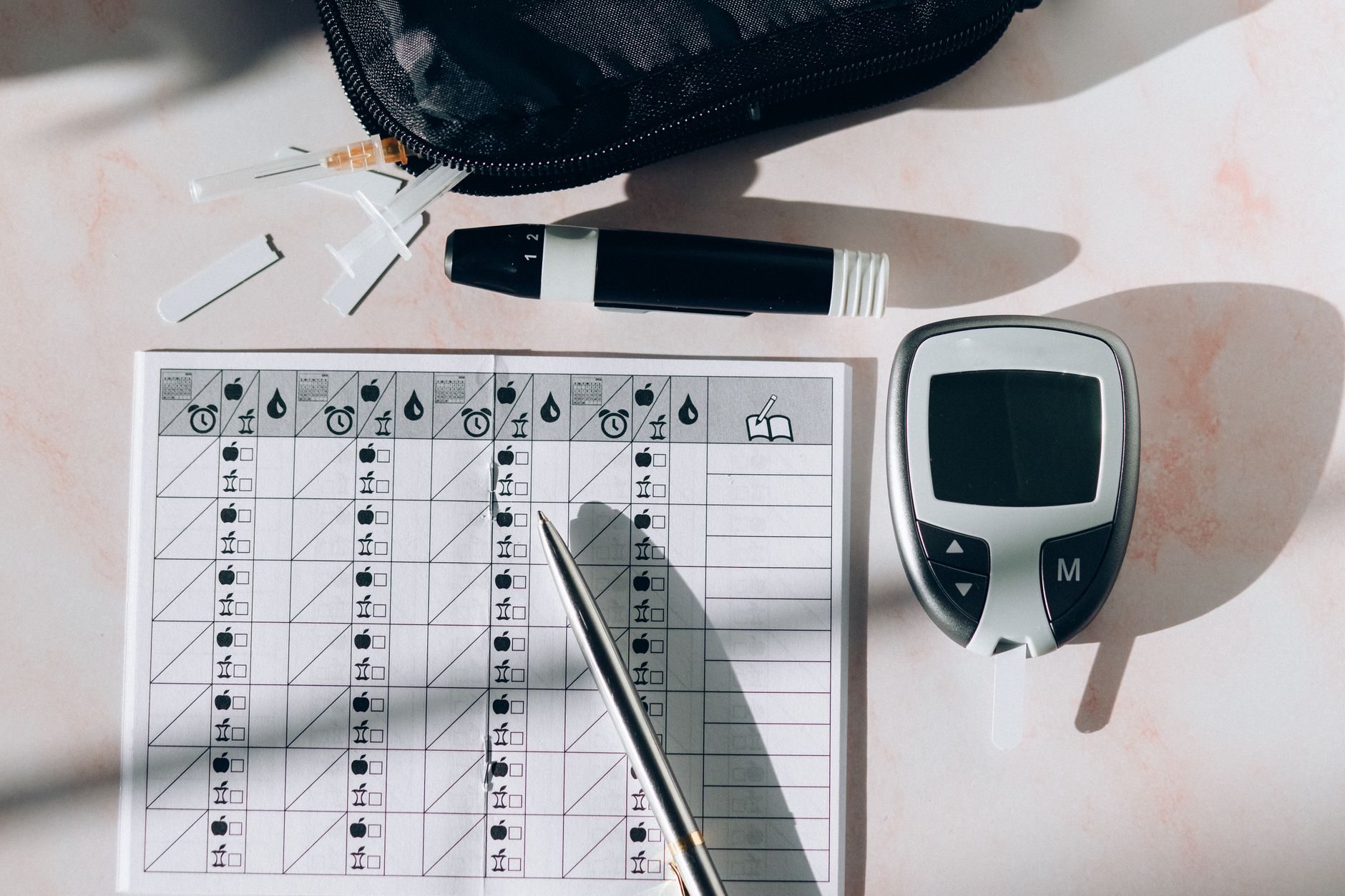
Without tracking, it’s hard to know if you’re meeting the target. Use a simple spreadsheet or a free app to log meals and protein grams. Even a quick tally on paper can keep you accountable.
5. Putting It All Together: A Practical Plan
Let’s walk through a day for a 150‑lb beginner who wants 120 g of protein. We’ll use a mix of affordable foods and split the intake into five meals.
- Breakfast (25 g): 2 eggs (12 g) + 1 cup Greek yogurt (10 g) +