
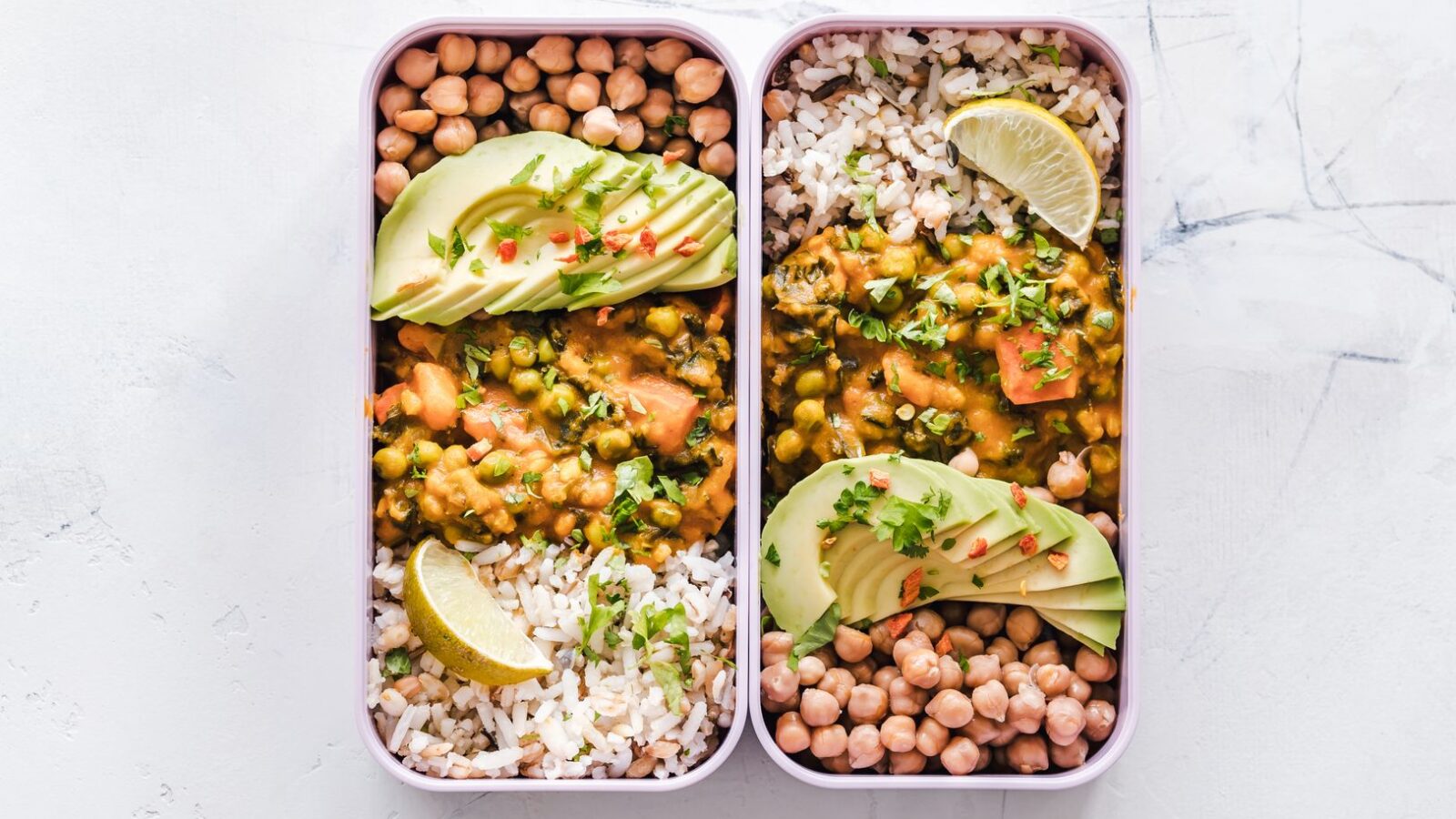
A budget muscle meal prep plan isn’t just about lifting heavier weights; it’s also about feeding your body the right nutrients at the right times. For most beginners, the idea of planning every meal can feel overwhelming, especially when the gym budget is tight. But if you treat meal prep like a workout routine—consistent, measured, and goal‑oriented—you can keep your protein steady, avoid the temptation of junk food, and actually see gains without spending a fortune.
Think of meal prep as a “macro‑scheduling” tool. By setting up a few core meals and snacks for the week, you eliminate the guesswork that often leads to missed protein windows or over‑eating. And because you’re buying in bulk and cooking in bulk, you save both time and money. The result? A reliable supply of lean protein, complex carbs, and healthy fats that fuel recovery and growth. A well‑designed budget muscle meal prep can keep your protein intake steady while saving cash.
Ready to turn your kitchen into a muscle‑building powerhouse without breaking the bank? Let’s dive into a step‑by‑step plan that’s easy to follow, budget‑friendly, and designed to keep your gains on track. When you follow a budget muscle meal prep strategy, you’ll notice more consistent energy levels.

1. Why Budget Muscle Meal Prep Is a Muscle‑Building Must
When you’re on a muscle‑building program, the body needs a steady stream of amino acids and energy. Skipping meals or eating sporadically can stall muscle repair and slow progress. Here’s why a structured prep routine matters:
- Consistent protein intake: Muscle protein synthesis peaks when you consume about 20–30 grams of high‑quality protein every 3–4 hours. Without a plan, you might miss that window.
- Controlled calorie balance: Overeating can lead to fat gain, while under‑eating stalls growth. Meal prep lets you portion precisely.
- Time savings: Cooking every day is exhausting. Batch cooking frees up time for workouts, rest, and other priorities.
- Budget control: Buying ingredients in bulk and using leftovers reduces waste and keeps costs low.
- Reduced stress: Knowing what you’ll eat eliminates last‑minute decision fatigue, which can lead to unhealthy choices.
So, the first step is to treat your meal prep like a training session: set a goal, track progress, and adjust as needed.
2. Building Your Budget Muscle Meal Prep Kit
Before you hit the kitchen, you need a solid foundation. This isn’t about fancy gadgets; it’s about smart choices that give you the most bang for your buck.
Shopping List Essentials
- Proteins: Chicken breast, eggs, canned tuna or salmon, lentils, chickpeas, Greek yogurt (plain), and a bulk pack of whey protein powder.
- Carbohydrates: Brown rice, oats, sweet potatoes, whole‑grain pasta, and frozen mixed veggies.
- Fats: Olive oil, peanut butter, and a small block of cheddar or mozzarella.
- Seasonings & extras: Salt, pepper, garlic powder, paprika, dried herbs, and a splash of soy sauce or teriyaki for flavor.
- Snacks: Rolled oats, nuts (buy in bulk), and dried fruit for quick energy.
Tip: Look for store brands and seasonal produce; they’re usually cheaper and just as nutritious. For more ideas, check out our nutrition and meal plans.
Sample 5‑Day Meal Blueprint
Below is a template you can tweak based on your taste and calorie needs. The goal is to hit roughly 1.5–2 grams of protein per kilogram of body weight and balance carbs for energy.
- Breakfast: Overnight oats with whey protein, sliced banana, and a tablespoon of peanut butter.
- Mid‑morning snack: Hard‑boiled eggs (2) and a handful of almonds.
- Lunch: Grilled chicken breast (150g), brown rice (1 cup cooked), and steamed mixed veggies.
- Pre‑workout snack: Greek yogurt (200g) with a drizzle of honey and a sprinkle of oats.
- Post‑workout meal: Tuna salad wrap with whole‑grain tortilla, lettuce, and a light vinaigrette.
- Dinner: Lentil soup (lentils, carrots, onions, garlic) with a side of roasted sweet potato.
- Evening snack: Cottage cheese (200g) with sliced peaches.
Feel free to swap proteins (e.g., turkey instead of chicken) and adjust portion sizes. The key is to keep macros steady and avoid big swings.
Now that you have the ingredients and the plan, let’s talk about the actual cooking process.

3. Execution: From Grocery Cart to Fridge
Cooking for a week can feel like a marathon, but a few simple tricks make it manageable.
Batch Cooking Workflow
- Set a day: Pick one day—Saturday or Sunday works well—to cook all meals. Keep the kitchen clean and organized.
- Start with staples: Cook a large batch of brown rice or pasta. This takes about 20 minutes and can be used in multiple meals.
- Protein first: Roast or grill chicken and eggs. Use a sheet pan for chicken to save time.
- Veggie versatility: Steam or roast a big pot of frozen veggies. They’re cheaper than fresh and keep well.
- Soups & stews: Make a big pot of lentil soup or chili. These freeze well and can be portioned into single servings.
- Cool and portion: Let foods cool before dividing into containers. Use clear, labeled containers so you know what’s inside.
Storage Tips
- Keep protein and carbs