
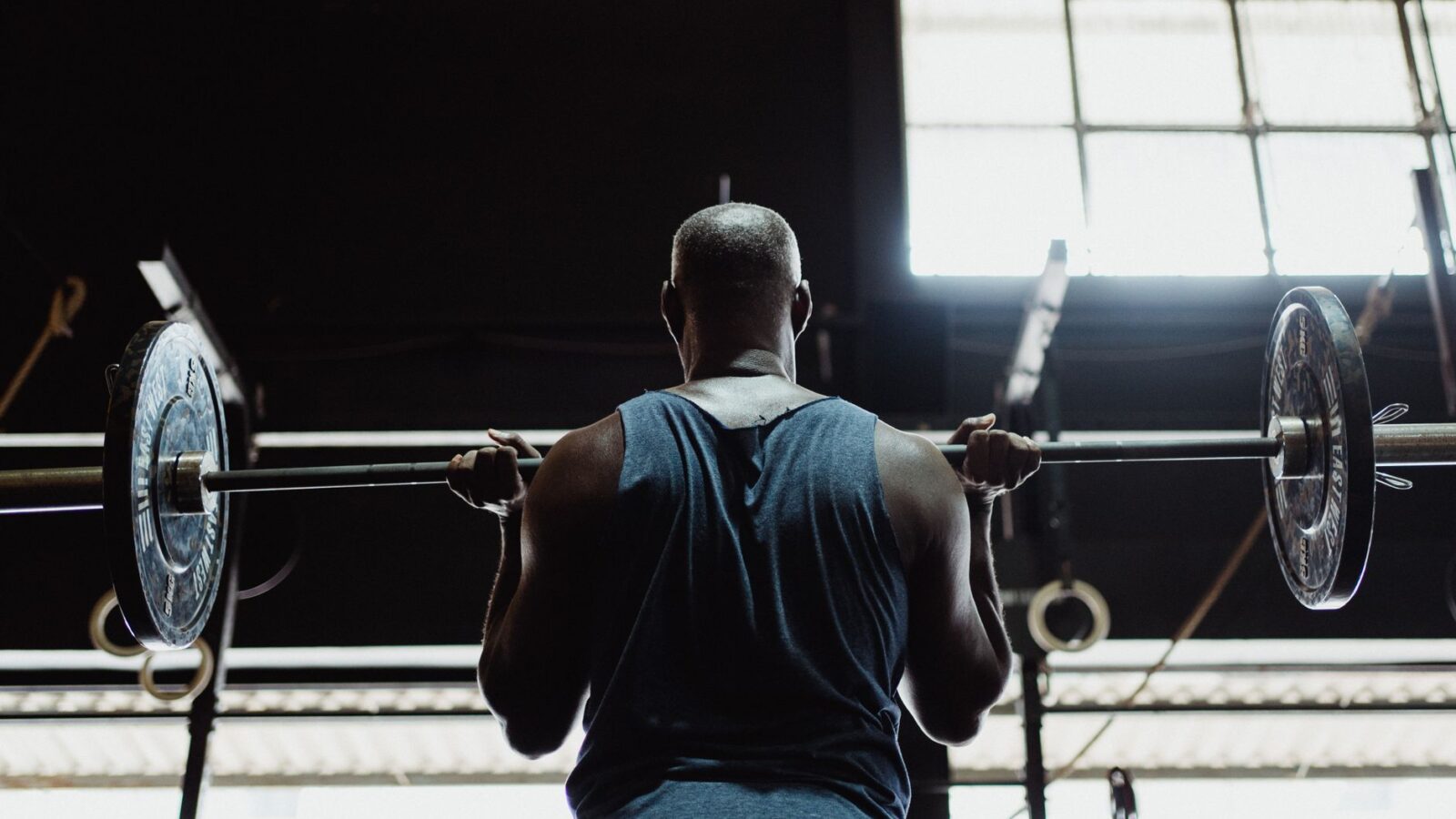
When you first step into a gym, the mind muscle connection is often the first concept that can boost your results more than the amount of weight you can lift or the number of reps you can pull off. But if you’re looking to build muscle on a budget, the real secret weapon isn’t a fancy machine or a pricey supplement; it’s the mind‑muscle connection. Think of it as a mental link that tells your body exactly which muscle to fire and when to do it. It’s the difference between throwing a barbell around and actually growing the right fibers.
In a world where everyone is chasing the next big protein shake or the latest gym gadget, the mind‑muscle connection is the low‑cost, high‑impact tool that can make your workouts more efficient and safer. For beginners, it also reduces the risk of overcompensating with heavier weights and falling into bad habits that can stall progress or cause injury.
So if you’re on a tight budget but still want to see real gains, learning how to tap into the mind‑muscle connection is a game‑changer. Below, we’ll break down what it is, why it matters, and step‑by‑step techniques that won’t break the bank. For more workout tips, see our exercise form and technique guide.

What Is the Mind‑Muscle Connection?
At its core, the mind‑muscle connection is the conscious awareness of a muscle’s role during an exercise. It’s the feeling you get when you focus on squeezing the biceps on a curl or engaging the glutes on a squat. When you’re fully aware, your brain sends clearer signals to the muscle, leading to better recruitment of muscle fibers.
Research shows that people who actively focus on the working muscle during a lift often achieve greater hypertrophy than those who simply lift the weight. Harvard Health notes that focused training can improve muscle activation. The brain’s motor cortex sends more precise commands, which translates to more efficient use of each rep. For beginners, this means you can get more out of a set of bodyweight exercises or a simple barbell routine without needing expensive gear.
It’s not a mystical trick; it’s a neurophysiological process. When you consciously engage a muscle, you activate the motor units that are most effective for growth. This reduces the “shifting” of effort to stabilizing muscles that can happen when you’re distracted or using too much momentum.
Why It Matters for Muscle Building on a Budget
Budget‑friendly training often relies on a limited set of equipment—dumbbells, a barbell, or even just bodyweight. With fewer tools, you can’t rely on heavy weights alone to stimulate muscle growth. Instead, the quality of each rep becomes paramount. Here’s why the mind‑muscle connection is a must‑have:
- Maximizes Muscle Activation – When you’re not spending on pricey isolation machines, you need to make the most of the movements you can do. A strong connection ensures each rep hits the target muscle hard.
- Prevents Overcompensation – Beginners often lean on larger muscle groups or use momentum to lift heavier weights. Focusing on the right muscle keeps the load where it belongs.
- Saves Time – By improving efficiency, you can complete a workout faster and still see results, which is ideal when you’re juggling a job, school, or other commitments.
- Reduces Injury Risk – When you’re aware of what muscles are working, you’re less likely to strain joints or use poor form that can lead to injury—an expensive setback if you’re on a budget.
- Boosts Confidence – Seeing real muscle activation in the mirror or through the feel of a burn can be more motivating than just watching a weight plate lift.
Think of it as a “software update” for your body. You don’t need more hardware to get better results; you just need to train the brain to communicate better with the muscles.

How to Build a Strong Mind‑Muscle Connection on a Budget
Now that you know why it matters, let’s dive into practical ways to strengthen that link without buying a gym membership or expensive tech.
1. Start with Bodyweight Foundations
Before adding weights, master the basic movements with your body. Exercises like push‑ups, squats, and lunges are excellent for teaching the brain to recognize muscle patterns. Pay attention to how each muscle feels during the movement.
Example: While doing a squat, focus on the feeling in your glutes and thighs. Try to “push” the ground with your heels rather than letting your knees collapse forward. That subtle shift keeps the right muscles engaged.
2. Use the “Slow and Controlled” Technique
Speed can be tempting, especially when you’re trying to lift more weight. However, slow reps give your brain more time to process which muscle is doing the work.
Rule of thumb: 3–4 seconds up, 3–4 seconds down. This tempo forces the muscle to work continuously and reduces the chance of relying on momentum.
3. Pre‑Activation and Warm‑Up Sets
Before you hit your main sets, perform a light warm‑up that specifically targets the muscle you’ll train. For example, if you’re doing bench presses, do a few sets of push‑ups or chest flys with a light resistance band.
Why it helps: Pre‑activation primes the muscle fibers, making it easier to feel them during heavier work. It’s a cheap trick—just grab a resistance band or even a towel for some tension.
4. Visualize the Muscle Working
Visualization is a powerful tool. Before you lift, close your eyes briefly and imagine the muscle contracting. Picture the fibers tightening and the muscle filling with blood.
During the lift, keep that image in mind. This mental rehearsal can increase neural drive and improve activation.
5. Use “Muscle‑First” Reps
Start each set with a “muscle‑first” rep: perform a light set where you deliberately focus on the target muscle. This primes your brain for the rest of the set.
For instance, with a dumbbell row, do one rep with a slow, controlled motion, feeling the back muscles engage before you move into heavier reps.
6. Incorporate Isolation Movements When Needed
Even on a budget, isolation exercises can be done with simple equipment. Use a pair of dumbbells for bicep curls or tricep extensions. The key is to focus on the contraction rather than the weight.
Tip: Use a “pause” at the peak contraction—hold for a second before returning to the starting position. This increases time under tension and forces the muscle to stay active.
7. Keep a “Feel Journal”
After each workout, jot down which muscles felt the most engaged and which felt like they were doing the heavy lifting. Over time, you’ll notice patterns and can adjust your focus.
Even a simple notebook or a note on your phone can serve this purpose. It