
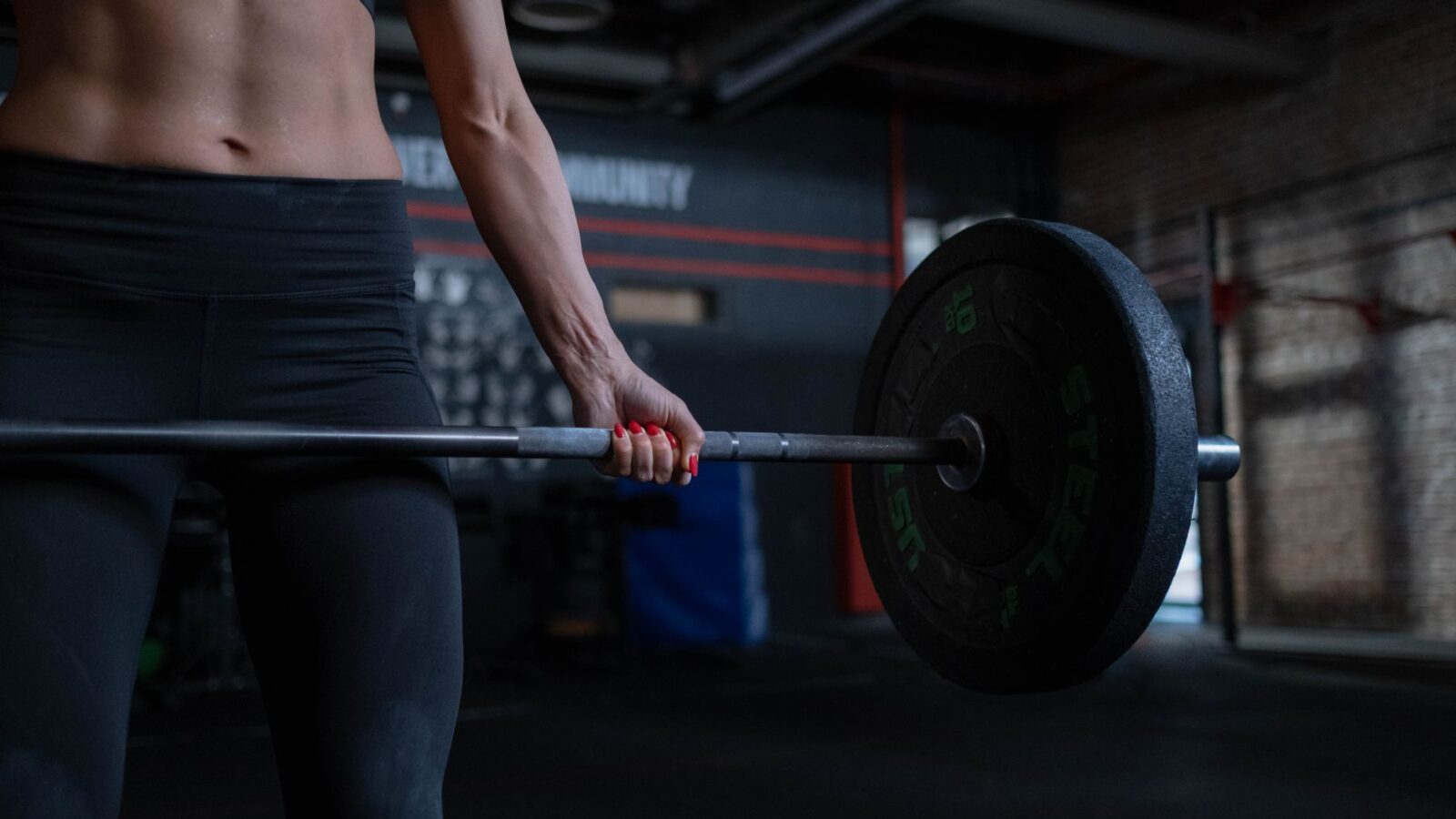
When you’re just starting out, a beginner 3 day split is the most efficient way to build muscle while keeping your budget in check. It’s simple, it’s repeatable, and it gives you enough frequency to see progress without overloading your schedule or your wallet.
Think about the last time you tried a full‑body routine and felt exhausted every time you walked out. A beginner 3 day split can prevent that exhaustion by spreading volume across three focused sessions. Or maybe you hit the gym three times a week but never felt like you were hitting all the key muscle groups hard enough. A 3‑day split is a sweet spot that lets you focus on the heavy lifts that drive growth, while still giving each muscle group ample recovery time.
In the next few sections we’ll break down why this routine works, lay out a concrete template you can copy right now, and then dive into the tweaks that keep it budget‑friendly for beginners. This beginner 3 day split template is designed for newcomers. Grab a notebook, your favorite protein shake, and let’s get into it.

Why a Beginner 3 Day Split Is a Beginner’s Best Friend
There are a lot of reasons to choose a 3‑day split over a full‑body or 4‑day split, especially if you’re new to the gym and want to keep costs low.
- Frequency vs. Volume. By training each major muscle group once a week and hitting it with high quality work, you’re balancing enough stimulus for growth with enough rest to recover. This is especially important when you’re still learning proper form.
- Time Efficiency. A 3‑day routine typically takes 60–75 minutes, which means you can squeeze in a workout around a workday or a family schedule without feeling rushed.
- Equipment Flexibility. You can structure the routine around a power rack, a set of dumbbells, or even just bodyweight and resistance bands. That keeps the cost of a home gym or a gym membership minimal.
- Progressive Overload Made Simple. With fewer sessions per week, you can focus on adding weight or reps to the core lifts each week without worrying about hitting every muscle group too often.
In short, a 3‑day split gives you the best chance to build a solid foundation, keep your workouts straightforward, and stay within a tight budget. A beginner 3 day split also makes it easier to track progress week by week.
Building the Core of the Beginner 3 Day Split Routine: Push, Pull, Legs
Most 3‑day programs separate the body into three logical blocks: push, pull, and legs. This arrangement lets you target all major muscle groups while keeping each session focused.
Below is a template that works in a gym setting and can be easily adapted for a home setup. All lifts are compound‑first, isolation‑second. That means you’re using the most efficient movements to build strength before adding smaller muscles for size and detail.

Day 1 – Push (Chest, Shoulders, Triceps)
- Barbell Bench Press. 4 sets x 6–8 reps. If you can’t get a barbell, use a dumbbell press.
- Overhead Press. 3 sets x 8–10 reps. Substitute with a dumbbell press if a barbell isn’t available.
- Incline Dumbbell Fly or Cable Fly. 3 sets x 10–12 reps.
- Lateral Raises. 3 sets x 12–15 reps.
- Triceps Push‑down or Dips. 3 sets x 10–12 reps.
Day 2 – Pull (Back, Biceps)
- Deadlift or Romanian Deadlift. 4 sets x 5–7 reps. If you’re using a home setup, a kettlebell or a heavy dumbbell can replace the barbell.
- Pull‑ups or Lat Pulldown. 4 sets x 6–8 reps. Use a resistance band if you can’t hit full bodyweight.
- Barbell Row or Dumbbell Row. 3 sets x 8–10 reps.
- Face Pulls or Rear Delt Fly. 3 sets x 12–15 reps.
- Biceps Curl (Barbell or Dumbbell). 3 sets x 10–12 reps.
Day 3 – Legs (Quadriceps, Hamstrings, Glutes, Calves)
- Squat (Back or Front). 4 sets x 6–8 reps. A squat rack is ideal, but a goblet squat with a heavy dumbbell works well at home.
- Romanian Deadlift or Hip Thrust. 3 sets x 8–10 reps.
- Lunges or Split Squat. 3 sets x 10–12 reps per leg.
- Calf Raise. 4 sets x 12–15 reps.
- Core Finisher (Plank or Hanging Knee Raise). 3 sets, hold or repeat for 30–45 seconds.
Keep rest periods between 90–120 seconds for the heavy lifts and 60–90 seconds for the accessory work. This balance helps you stay in the strength zone while still pushing for hypertrophy.
Progressive Overload Basics
Track the weight you lift each week. Aim to add 5–10 pounds or a couple of reps when you can maintain good form. If you hit a plateau, switch the order of the accessory moves or add a small volume increase. For further guidance on safe progression, see Harvard Health.
Adapting to Your Gear: Gym, Home, or Hybrid
Not everyone has a full power rack or a $2000 home gym. Luckily, you can still hit the same targets with a minimal investment.
- Gym Membership. Most clubs give you access to a wide range of machines and free weights. You can do the routine as written, or swap out the bench press for a machine press if you’re worried about form.
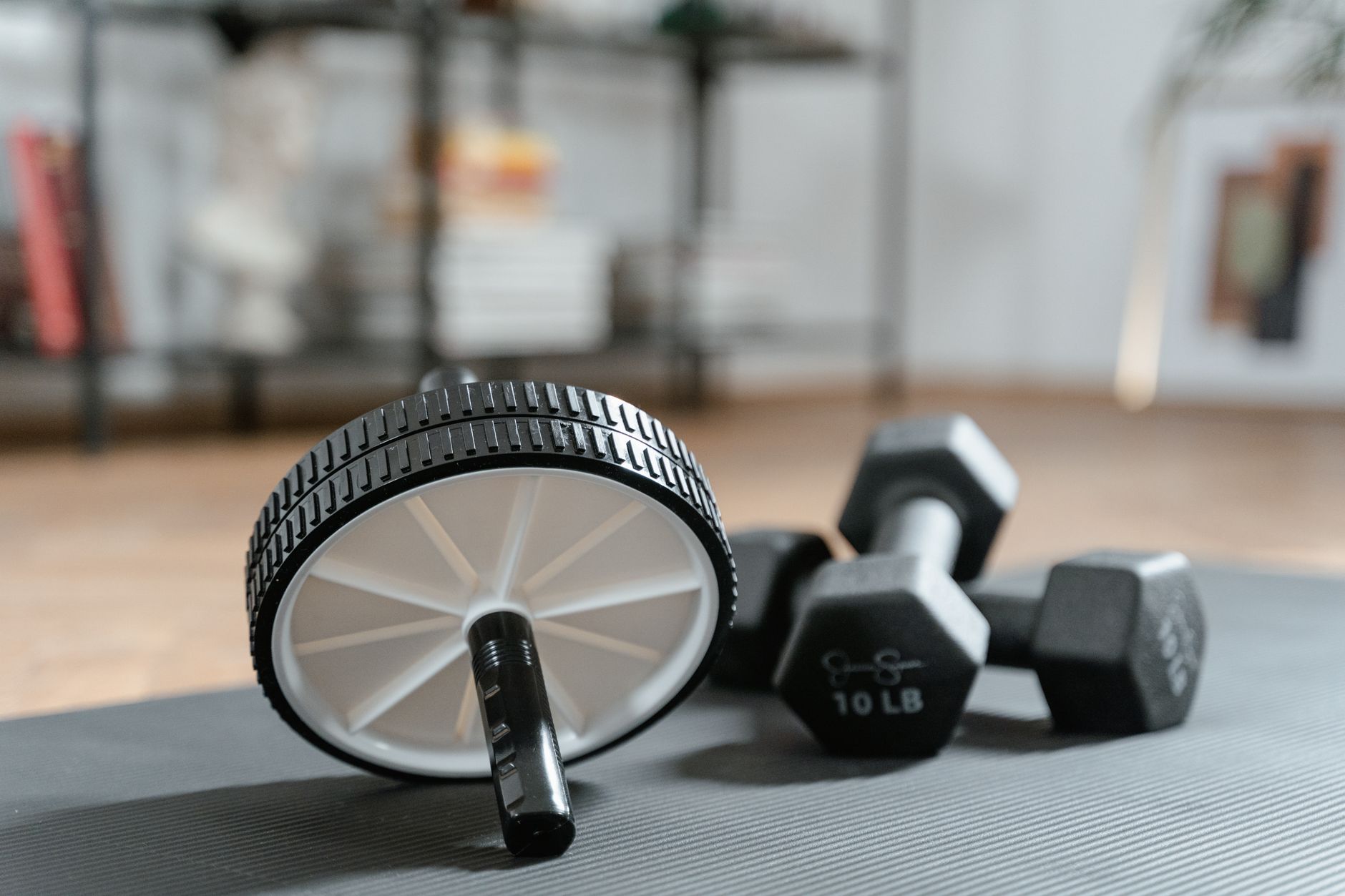
- Home Setup. A set of adjustable dumbbells and a squat rack or a sturdy bench can cover the entire routine. For the deadlift, a kettlebell or a single heavy dumbbell works, but if you need a barbell, look for a used one or a set of plates with a bar.
- DIY Alternatives. A backpack filled with books or water bottles can mimic a barbell for squats or rows. Resistance bands can add resistance to pull‑ups or provide assistance if you’re still building strength.
When you’re on a tight budget, buying second‑hand equipment or renting a gym’s equipment for a day can stretch your money further. Also, many community centers and schools offer free or low‑cost weight rooms. For more ideas, check out more workout tips.
Fine‑Tuning the Routine: Volume, Intensity, and Recovery
Once you’ve got the basic template, you can start adjusting three key variables to match your goals and schedule.
Volume
For beginners, 12–15 total sets per muscle group