
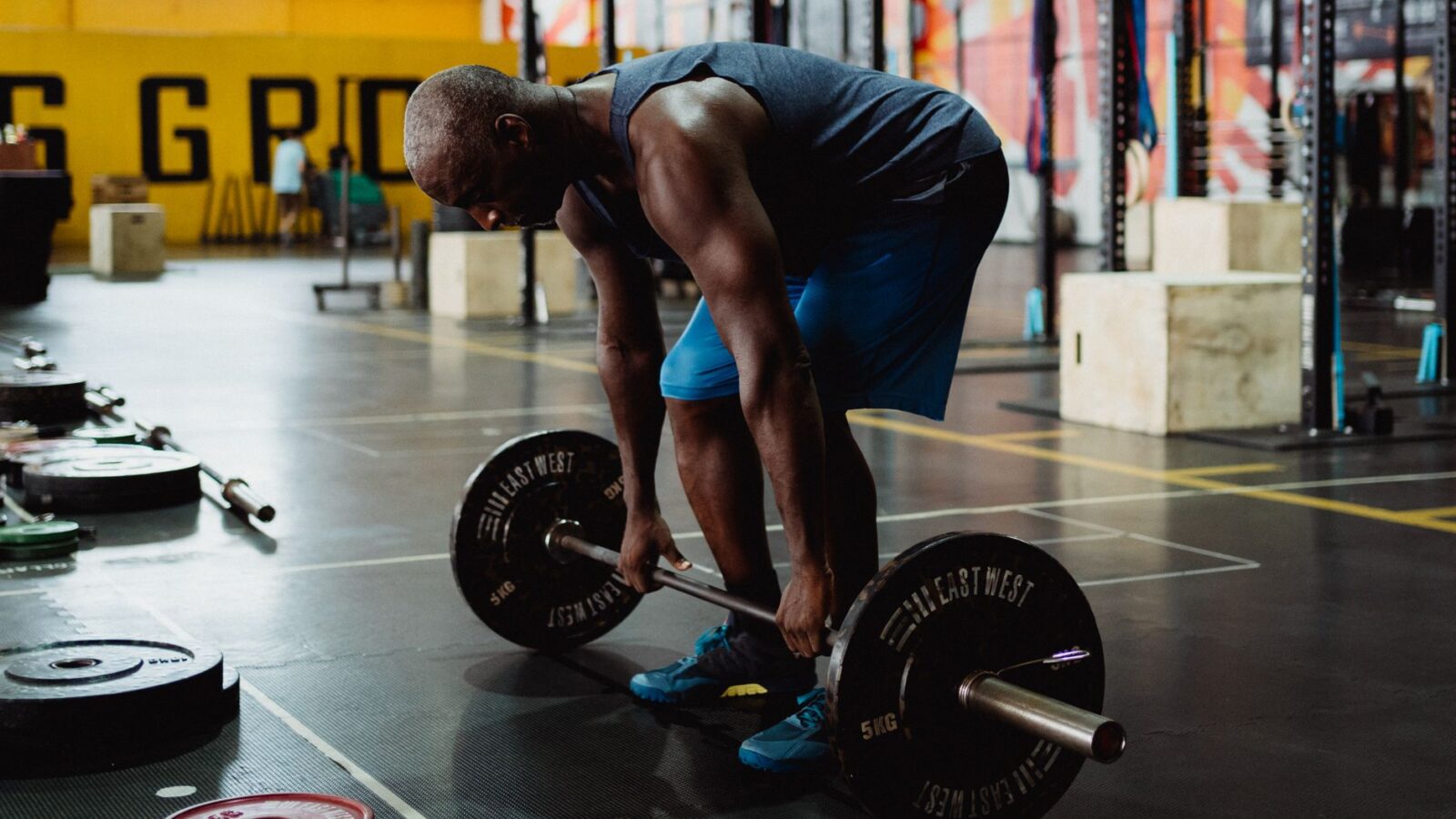
When you first step into a gym, you’ll see the push pull legs split chart everywhere—push‑pull‑legs, upper‑lower, full‑body, and the list goes on. It’s easy to get stuck in a loop of “which one should I pick?” The answer isn’t a one‑size‑fits‑all rule. Instead, it hinges on how often you can hit the gym, how much time you want to spend per session, and how your body responds to volume and recovery. Let’s break down the two most common options—push‑pull‑legs (PPL) and full‑body—so you can decide which split feels right for your schedule and goals.
Both splits can build muscle, but they do it in different ways. If you follow a push pull legs split, you can focus each workout on a specific muscle group and keep intensity high. Push‑pull‑legs spreads muscle groups over three distinct sessions, while full‑body crams all major groups into each workout. If you’re juggling work, school, or other commitments, the right split can keep your gains on track without draining your wallet or calendar. Below, we’ll compare the pros and cons, dig into science‑backed evidence, and give you a playbook for picking the best routine for your lifestyle. For more ideas, check out more workout tips.

1. The Anatomy of a Push‑Pull‑Legs Split
Push‑pull‑legs is a classic three‑day split that separates movements by muscle function. The push pull legs split is especially popular among intermediate lifters looking to balance volume and recovery. Each workout focuses on a specific set of muscles:
- Push day – chest, shoulders, triceps. Think bench press, overhead press, dips.
- Pull day – back, biceps. Pull‑ups, rows, curls.
- Leg day – quads, hamstrings, glutes, calves. Squats, deadlifts, lunges.
Because each muscle group gets a dedicated session, you can dial up volume (sets and reps) and intensity. A typical PPL routine might look like:
- Push: 4–5 sets of bench press, 3–4 sets of overhead press, 3 sets of triceps extensions.
- Pull: 4 sets of pull‑ups, 3 sets of barbell rows, 3 sets of biceps curls.
- Legs: 4 sets of squats, 3 sets of Romanian deadlifts, 3 sets of calf raises.
Because you’re training each muscle group once a week, you can push each session to a high volume without overtaxing recovery. That’s great if you’re aiming for hypertrophy and can afford to spend 60–90 minutes per workout. The split also allows for more focus on technique and form, which can reduce injury risk when you’re working heavy lifts.
When the Push Pull Legs Split Shines
- More training days available – If you can hit the gym three or more times a week, PPL gives you a clear structure.
- Higher total volume per muscle – You can squeeze in more sets per muscle group, which research links to greater muscle growth.
- Better for intermediate lifters – As you get stronger, you’ll need more load and volume; PPL provides that flexibility.
- Equipment‑friendly – If your gym has a full array of machines and free weights, you can target each muscle more precisely.
However, the split demands a consistent schedule. Missing a push day means you’ll have to catch up on chest and triceps later, which can derail your progression if you’re not careful.
2. The Full‑Body Approach: One Session, All Muscles
Full‑body workouts cram the major muscle groups into a