
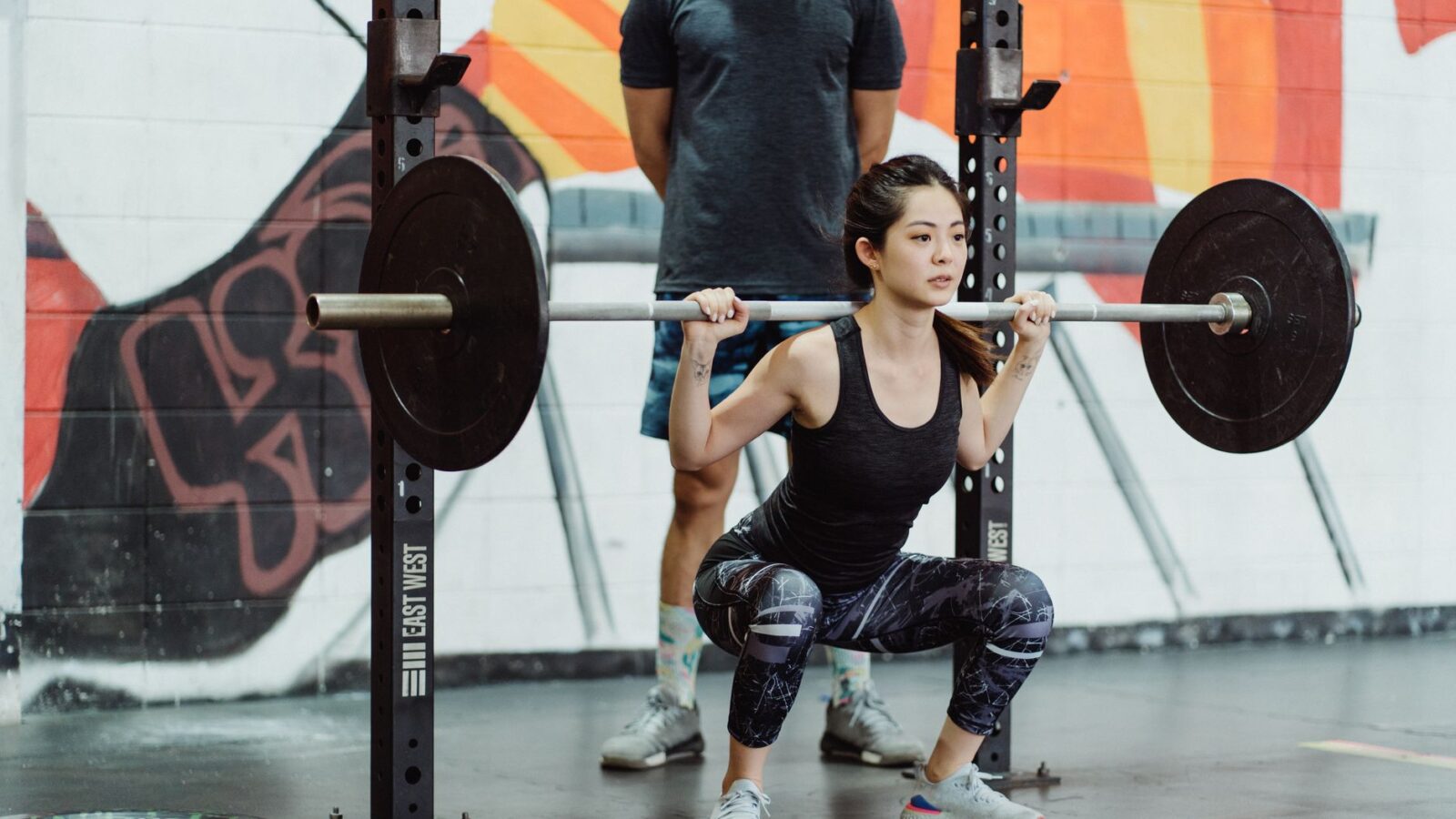
When you step into a gym, you’re probably thinking about squats, bench presses, and the classic deadlift, but incorporating grip strength exercises into your routine can make a big difference. But there’s a silent partner to every rep that often gets ignored: your grip. A strong hand isn’t just about looking tough; it’s the foundation that lets you lift heavier, finish sets, and stay safe. For anyone who’s just started or is working on a tight budget, improving grip strength can unlock a lot of hidden potential without adding expensive gear.
Think of it this way: if your hand can’t hold the bar, the rest of your body can’t do its job. That’s why many lifters stall at a certain weight or miss a rep because the grip gives out. This article dives into why grip matters, how weak grip sabotages your lifts, and practical ways to build a stronger grip that fits any budget.
1. The Foundation: Grip Strength Exercises for Your Lifts
When we talk about “grip strength,” we’re really talking about the ability of the forearms, hand muscles, and even the small stabilizers in the wrist to maintain a firm hold on a load. In compound lifts like the deadlift, pull‑ups, and rows, the bar or weight is your main line of communication with the rest of the body. If that line breaks, the entire lift falls apart.
Consider a deadlift. The first few pounds feel easy, but as the weight climbs, the bar’s pull on your fingers can become a limiting factor. A weak grip can cause you to drop the bar before you hit your target rep, forcing you to reduce the load or stop the set entirely. The same applies to a bench press: if your hands can’t keep the bar steady, you risk sliding or even dropping it, which is dangerous. Incorporating specific grip strength exercises into your warm‑up can prime the forearms for heavier lifts.
Beyond the obvious, grip strength also contributes to muscle activation. A secure grip allows you to focus on engaging the target muscles rather than fighting for stability. This means better form, less wasted energy, and ultimately more growth. According to Harvard Health, improving grip can also aid daily activities.
So, why does grip matter? Because it’s the bridge between the weight and your body’s power. Without a solid bridge, the rest of the structure can’t carry the load effectively.
2. The Weak Link: How a Poor Grip Holds You Back
There are a few common ways a weak grip can sabotage your progress:
- Early Rep Failure: You might be able to lift a heavier bar, but your fingers give out before your legs or back do. This means you’re not actually working the muscle group to its full potential.
- Compromised Form: A slipping grip forces you to alter your technique—perhaps by flaring the elbows during a row or leaning forward on a deadlift—to keep the bar from falling. That extra stress can lead to injury.
- Limited Volume: If you’re constantly dropping the bar, you’ll spend more time on warm‑ups and less on productive work sets.
- Injury Risk: Repeatedly pulling with a weak grip can overwork the wrist extensors and flexors, leading to tendinitis or other overuse injuries.
In short, a weak grip is a bottleneck. Adding grip strength exercises to your routine helps eliminate this bottleneck.
3. Building a Stronger Grip: Grip Strength Exercises That Work
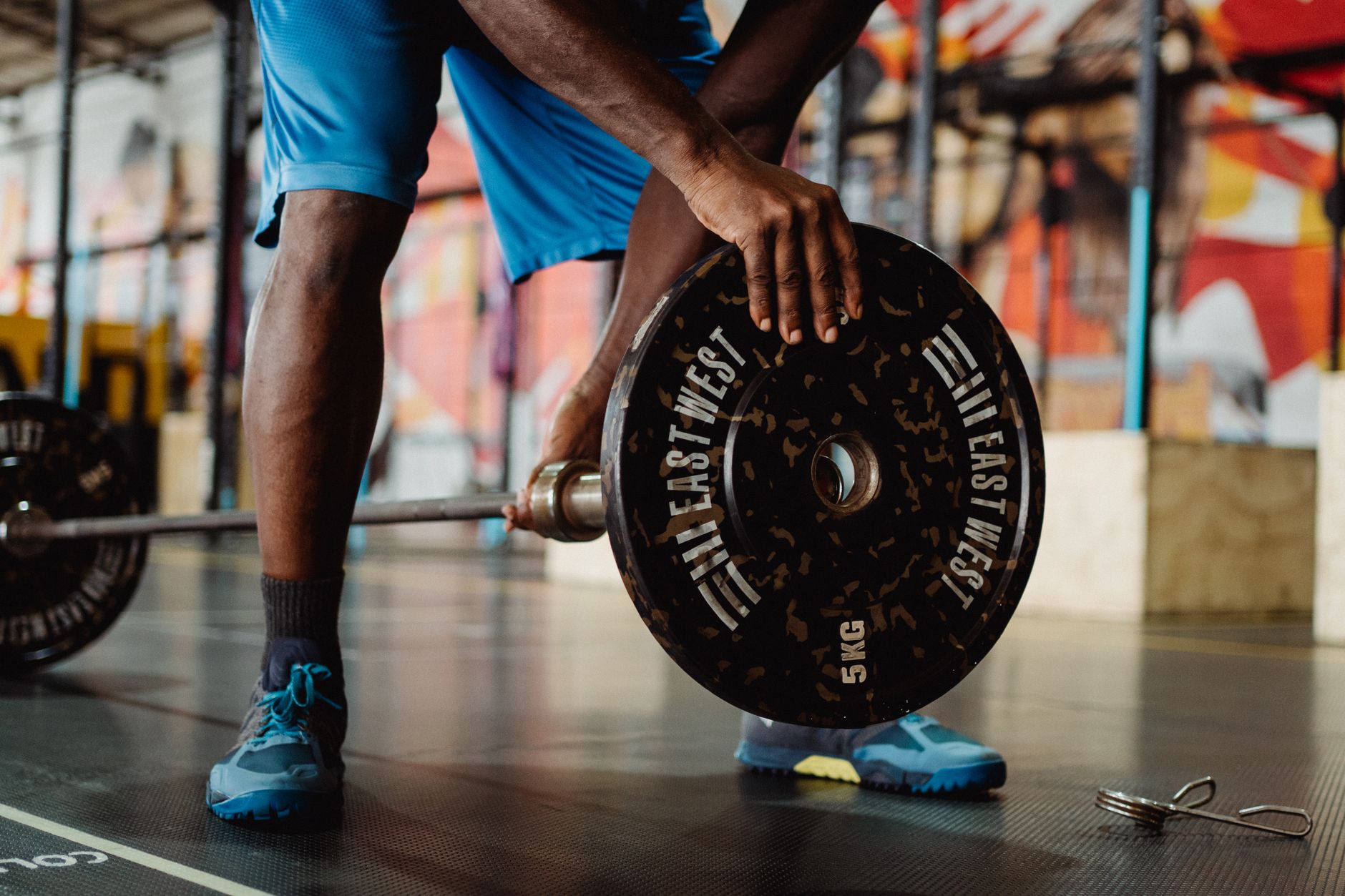
Now that we know why grip matters, let’s get into the meat of the matter: how to strengthen it. The good news is you can build grip strength with minimal or no extra equipment, making this a budget‑friendly addition to any routine. These grip strength exercises can be performed with minimal equipment.
3.1 Traditional Grip Exercises
Farmer’s Walk – Grab a pair of heavy dumbbells or kettlebells and walk a set distance or time. This forces your fingers to hold the weight for the entire walk, engaging the forearms, wrists, and even the core for stability.
Plate Pinches – Take two weight plates, smooth sides out, and pinch them together with your fingers for a set amount of time. If you don’t have plates, use two books or even a towel for a DIY version.
Dead Hangs – Hang from a pull‑up bar or a sturdy tree branch. Even a minute of hanging can significantly improve your grip endurance.
3.2 Leveraging Everyday Items
Not every gym has a thick bar or specialized grip equipment. Here are some household alternatives:
- Water Bottles or Jugs: Fill a 1.5‑liter bottle to the top and hold it for as long as you can. The irregular shape challenges your fingers.
- Heavy Books: Stack a few and grip the stack for a minute. This works the same way as a plate pinch but uses what you have on hand.
- Doorway Holds: Grip a door frame with both hands and pull yourself up or down slowly, using the frame’s resistance.
These options prove that a strong grip doesn’t require expensive tools. All you need is something that can be held.
3.3 Progressive Overload for the Hands
Just like any other muscle group, your grip will adapt when you challenge it progressively:
- Increase Weight: Gradually add more weight to farmer’s walks or plate pinches.
- Increase Time: Extend the duration of holds or the distance walked.
- Change Grip: Switch from a standard grip to a mixed or hook grip for added challenge.
- Add Volume: Include grip work as a warm‑up or as a finishing set after your main lifts.
Consistency is key. Aim to train grip at least twice a week, but avoid overtraining because the forearms recover quickly. For more detailed guidance, see exercise form tips.
3.4 Integrating Grip Work into Existing Lifts
Many lifters already perform exercises that inherently strengthen the grip. Here’s how to maximize those:
- Deadlifts: Use a mixed grip (one palm facing you, one facing away) or