

When you’ve been hitting the gym consistently and encounter a budget plateau training, it’s easy to think the only way forward is to spend more money on a fancy gym membership or the latest supplement. But a plateau can be a sign that your body needs a different kind of stimulus, not a bigger budget.
For the budget‑conscious beginner, breaking a plateau isn’t about buying the newest equipment or hiring a personal trainer. It’s about smart tweaks that fit into the routine you already have. One of the most powerful, low‑cost methods is changing the tempo of your lifts and adjusting how you rest between sets. Implementing budget plateau training techniques can revitalize your progress without extra cost.
Below, I’ll walk you through a four‑week plan that focuses on tempo shifts, rest interval tweaks, and a few other practical adjustments that can push your strength back up without adding a single dollar to your workout budget.
Section 1: Why Budget Plateau Training Happens – A Quick Diagnosis
Before you can fix a plateau, you need to know why it’s happening. Most beginners hit a plateau when the body has adapted to a consistent stimulus. Think of it like a plant that gets used to the same amount of sunlight and stops growing. Here are the main culprits:
- Muscular adaptation – Your muscles have learned to lift a certain weight efficiently, so they no longer see it as a challenge.
- Neurological plateau – Your nervous system isn’t firing the same number of motor units as before, so lifts feel easier and the brain stops sending the same demand signals.
- Recovery deficits – Even if you’re not overtraining, small gaps in sleep or nutrition can blunt progress.
- Inadequate progressive overload – If you’re not consistently adding weight, reps, or changing the lift’s dynamics, your muscles won’t get the new stimulus they need.
When you notice a stall in your numbers, it’s a cue to mix things up. The trick is to do it in a way that’s affordable and doable in a regular gym setting.
Section 2: Budget Plateau Training – Tempo Strategies
Tempo training is a simple concept: you control the speed of each phase of a lift. Most people do lifts at a “normal” pace—about 2 seconds up, 1 second hold, 2 seconds down. By altering that rhythm, you can create new stress on the muscle fibers and stimulate growth without adding weight.
Here’s a quick cheat sheet for three common lifts:
- Barbell Squat: 4‑1‑2‑1 (4 seconds eccentric, 1 second pause at bottom, 2 seconds concentric, 1 second pause at top)
- Bench Press: 3‑0‑2‑0 (3 seconds down, no pause, 2 seconds up)
- Deadlift: 5‑0‑1‑0 (5 seconds down, 1 second pause at the lock‑out)
Why does this matter? Slowing the eccentric (downward) phase increases time under tension, which is a key driver of muscle hypertrophy. Pausing at the bottom or top removes momentum, forcing the muscles to work harder. The net result is a new stimulus that can break the adaptation cycle. These tempo adjustments are a core part of budget plateau training, giving your muscles new challenges.
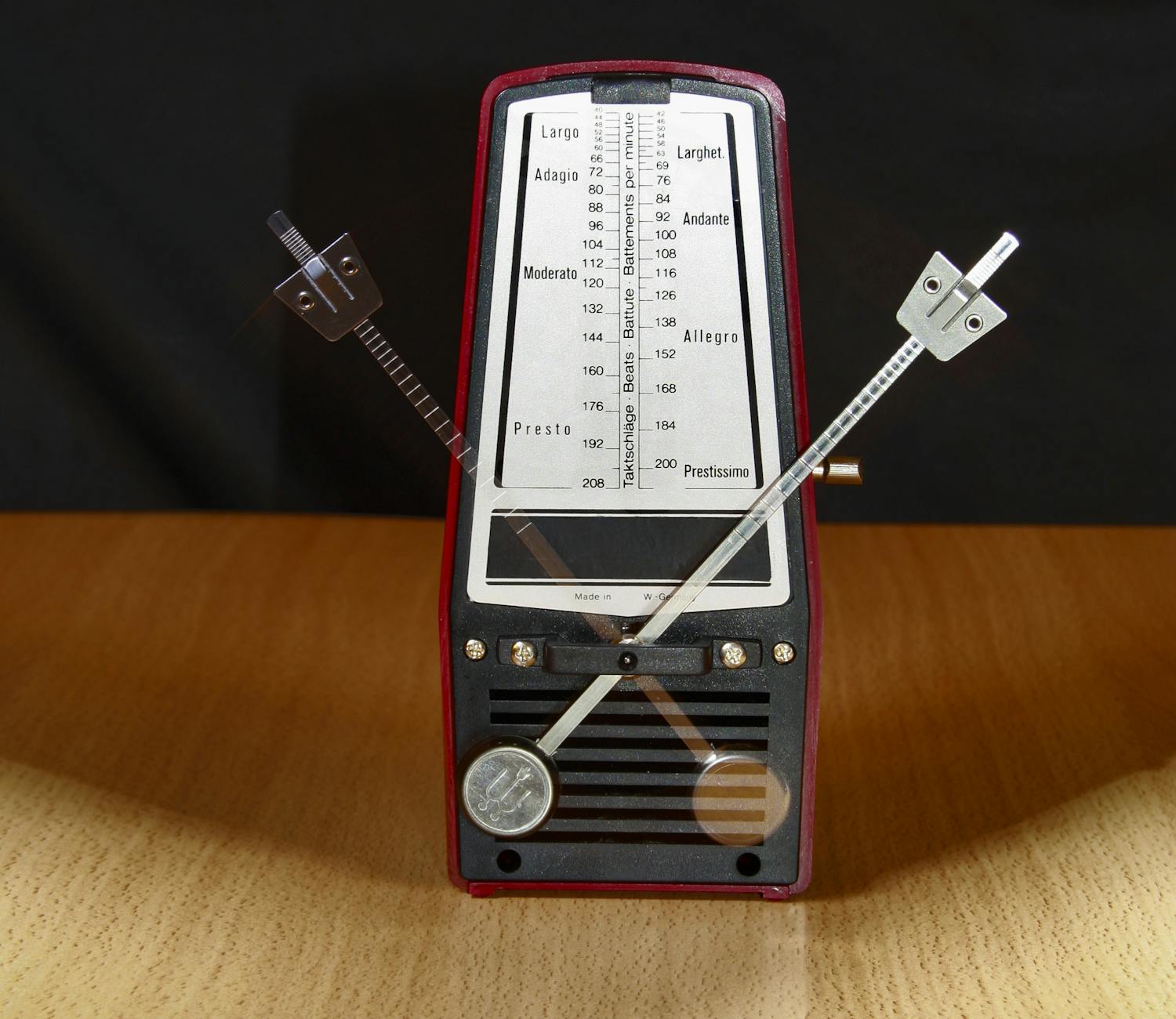
To keep it budget‑friendly, you don’t need a metronome. Just count out loud or use a phone timer. Start with 3 sets of 5 reps at a moderate weight and focus on the tempo. If it feels doable, you can add a fourth set or increase weight slightly after the first week. For more workout tips, see our more workout tips page.
Remember: form is king. If a new tempo compromises your technique, reduce the weight until you’re comfortable. The goal is to feel the muscle, not to lift heavier.

Section 3: Rest Intervals – Turning Recovery Into a Tool
How long you rest between sets can make or break a lift. Many beginners default to 90 seconds, but this one size doesn’t fit all. Here’s how to tweak rest for maximum impact:
- Shorter rest for hypertrophy: 45–60 seconds between sets of 8–12 reps. The slight fatigue keeps the muscle under tension longer.
- Longer rest for strength: 2–3 minutes for 3–5 reps at high load. This allows more full recovery of the nervous system.
- Superset or drop‑set hybrids: Pair a heavy compound lift with a lighter accessory move with minimal rest. For example, after a set of squats, immediately drop to a body‑weight jump squat for 10 reps. This adds volume without extra time in the gym.
When you’re on a budget, the only “cost” of changing rest is time. If you’re short on hours, use a timer or a simple phone app to keep track. The payoff is a more efficient workout that can push you past a plateau. Adjusting rest periods is another pillar of budget plateau training that keeps your body adapting.
For our four‑week plan, we’ll alternate between “strength” blocks (longer rest, lower reps) and “hypertrophy” blocks (shorter rest, higher reps) to keep the nervous system and muscle fibers constantly challenged.
