
Hey there, the dumbbell full body routine is a game‑changer for anyone looking to build muscle at home. You’ve probably seen a lot of “home gym” posts that talk about racks, benches, and pricey machines. But what if you could build real muscle with just a pair of dumbbells and a little space? That’s what we’re talking about today: a full‑body routine that works from your living room, your office break room, or even a hotel room. No fancy equipment, no membership fee, just you, a pair of dumbbells, and a plan that keeps the gains coming.
Think a dumbbell‑only routine can’t hit all the big lifts? Think again. The dumbbell full body routine can hit every major lift when you choose the right moves, tempo, and progression, you can target the chest, back, legs, shoulders, and arms in one session. And because it’s all in one workout, you’ll get more bang for your time—perfect for busy people who can’t commit to a gym schedule.
Ready to get started? Let’s dive into a structured, budget‑friendly program that’s easy to follow and scalable as you get stronger.
Why the Dumbbell Full Body Routine Is Your Best Friend for Muscle Building
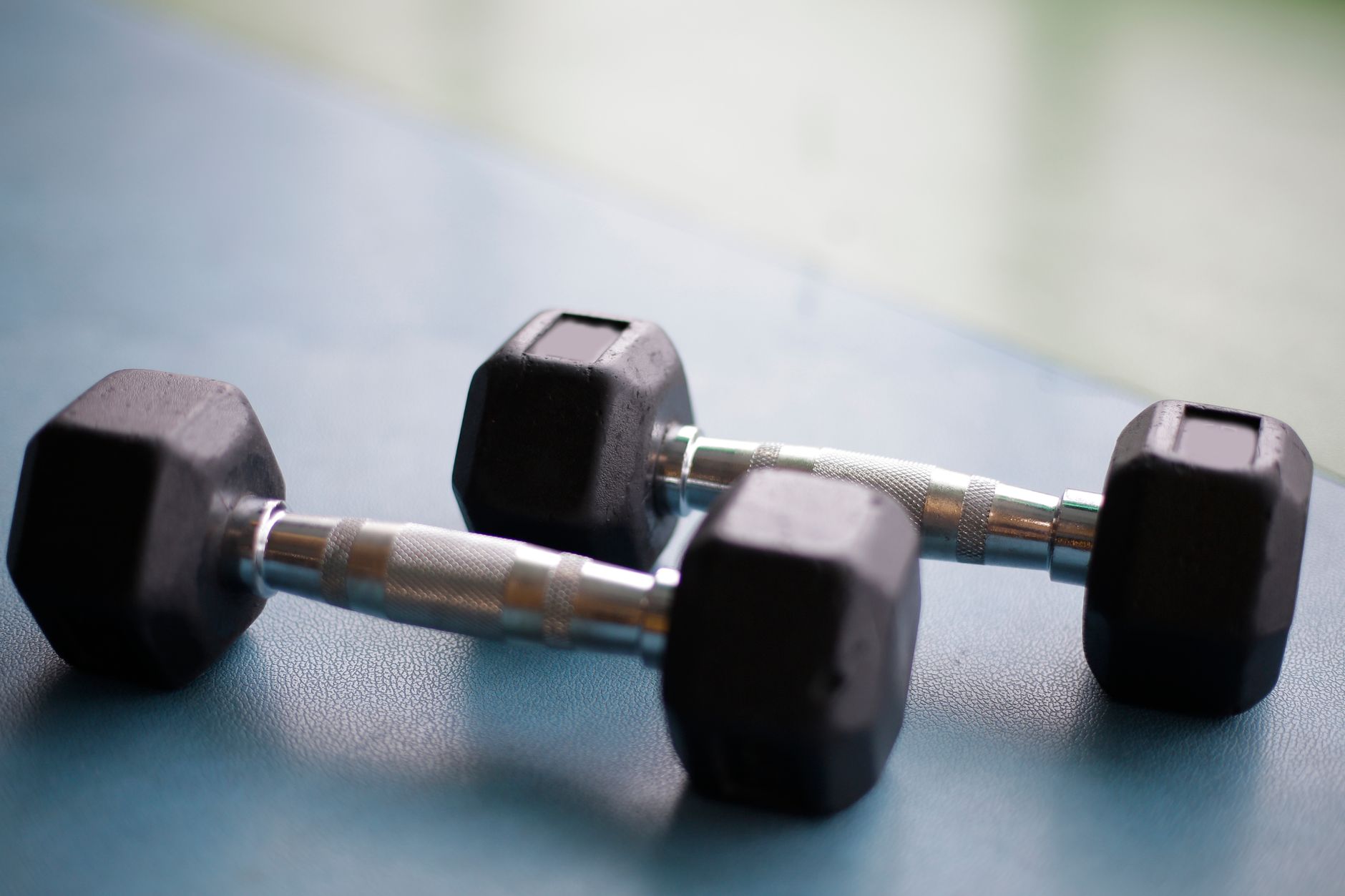
Dumbbells are surprisingly versatile. Unlike a barbell, they let you train each side of your body independently, which helps correct imbalances and improves core stability. Plus, you can buy a set of adjustable dumbbells for under a hundred dollars, or even repurpose household items—water jugs, canned goods, or a filled backpack—to create a makeshift weight set.
Another win: you can do compound movements that mimic gym machines. Squat to press, bent‑over rows, lunges, and more. The key is to keep the load heavy enough to challenge you while maintaining proper form. And because the workout is full‑body, you’ll hit every major muscle group each session, driving hypertrophy without needing a split routine.
Getting Your Gear Ready for a Dumbbell Full Body Routine
1. Dumbbells. A pair of adjustable dumbbells is ideal. If you’re on a tight budget, look for a set that ranges from 5 to 35 pounds. That range allows you to start light and gradually increase the load.
2. A flat surface. A sturdy floor or a small table works. If you’re on a couch, make sure it can support the weight and won’t slip.
3. A timer or phone. To track sets, reps, and rest intervals. You can even use a simple stopwatch.
4. A mirror or a video camera. Checking your form is critical. If you’re in a small space, a phone on a tripod can record you so you can review later.
Optional but helpful: a yoga mat or towel for comfort, especially during floor work. And if you’re working from a hotel, a travel‑sized towel and a small yoga block (or a sturdy book) can make the difference between a cramped and a comfortable workout.
The Core Routine: 5 Compound Moves, 3 Sets Each
Below is a simple but effective structure. Each exercise is a compound movement that targets multiple muscle groups. The dumbbell full body routine focuses on compound moves that engage multiple muscle groups, making each session efficient and effective. Aim for 3 sets of 8–12 reps. Keep rest intervals to 60–90 seconds between sets. If you’re new, start with a lighter weight and focus on form. As you progress, add 2–5 pounds per set or increase reps.
- Goblet Squat
Stand with feet hip‑width apart, holding a dumbbell close to your chest with both hands. Lower into a squat, keeping your chest up and knees tracking over your toes. Push through the heels to return to standing. This move hits quads, glutes, hamstrings, and engages the core. - Dumbbell Bench Press (Floor or Chair)
Lie on the floor or a sturdy chair, dumbbells in hand. Lower the weights until your elbows are at a 90‑degree angle, then press up. If you’re on the floor, it limits range but still works chest, triceps, and shoulders. - One‑Arm Row
Place one knee and the same side hand on a chair or bench for support. Hold a dumbbell in the other hand, arm straight. Pull the weight toward your hip, squeezing your shoulder blade. Lower slowly. Switch sides after completing the set. - Standing Shoulder Press
Hold a dumbbell in each hand at shoulder height. Push upward until arms are fully extended. Lower slowly. This move targets deltoids, triceps, and the upper chest. - Single‑Leg Romanian Deadlift
Hold a dumbbell in each hand. With a slight bend in the knee of the working leg, hinge forward at the hips, letting the opposite leg extend straight back. Keep your back neutral, and feel the stretch in your hamstring. Return to standing. This exercise strengthens glutes, hamstrings, and improves balance.
Finish with a short core circuit: planks, side planks, and bicycle crunches. Even a 5‑minute core finisher will keep your abs engaged and help stabilize the whole body during lifts.
For additional variations and program ideas, check out more workout tips that complement this routine.
Progression Strategies: Keeping the Gains Coming
Progression is the secret sauce to muscle growth. With a dumbbell full body routine, you can keep challenging yourself without a gym membership. Here are three budget‑friendly ways to keep challenging yourself:
- Increase Reps. Once you can do 12 reps comfortably, add two more. When you hit 15, shift to the next weight level.
- Add Time Under Tension. Slow the eccentric phase to 3–4 seconds, pause at the bottom for a beat, then explode up. This increases muscle stress without more weight.
- Use Tempo Variations. For example, a 2‑1‑2 tempo: 2 seconds down, 1 second pause, 2 seconds up. Switching tempos forces your muscles to adapt.
According to Harvard Health, progressive overload and proper recovery are essential for sustained muscle development. Remember, the goal isn’t to lift the heaviest weight right away. It’s about consistently pushing your muscles past their comfort zone while maintaining form. If you feel a sharp pain or your form breaks, dial back the weight.
How to Fit This Routine into Your Schedule
Because it’s a full‑body workout, you can hit the gym three times a week: Monday, Wednesday, Friday. If you’re a beginner, start with two sessions per week and add a third as your stamina improves. Each session should take about 30–45 minutes, including a 5‑minute warm‑up and a short cooldown.
Want to squeeze in a quick session on a busy day? A 20‑minute “micro‑workout” works too. Pick two or three exercises and do two sets each. Even a half‑hour of consistent work beats a long