
When you’re just starting out or working with a tight budget, a budget dumbbell workout can be the perfect solution to avoid a fancy gym or buying a full rack of machines. But what if I told you that a pair of dumbbells can deliver a complete, effective full-body workout anywhere—whether that’s your living room, a hotel room, or a park bench? With just two weighted sticks and a bit of space, you can build strength, improve muscle tone, and keep your routine fresh without a gym membership.
It’s not about how heavy the dumbbells are, but how you use them in a budget dumbbell workout. A well‑structured routine can target every major muscle group, keep your heart rate up, and promote progressive overload—all while staying wallet‑friendly and travel‑ready. Below is a step‑by‑step guide to a dumbbell‑only full‑body workout that’s scalable, efficient, and designed for beginners who want real results.
Why a Budget Dumbbell Workout Is Your Best Friend for Full‑Body Training
First, let’s break down the advantages of using dumbbells for a full‑body routine.
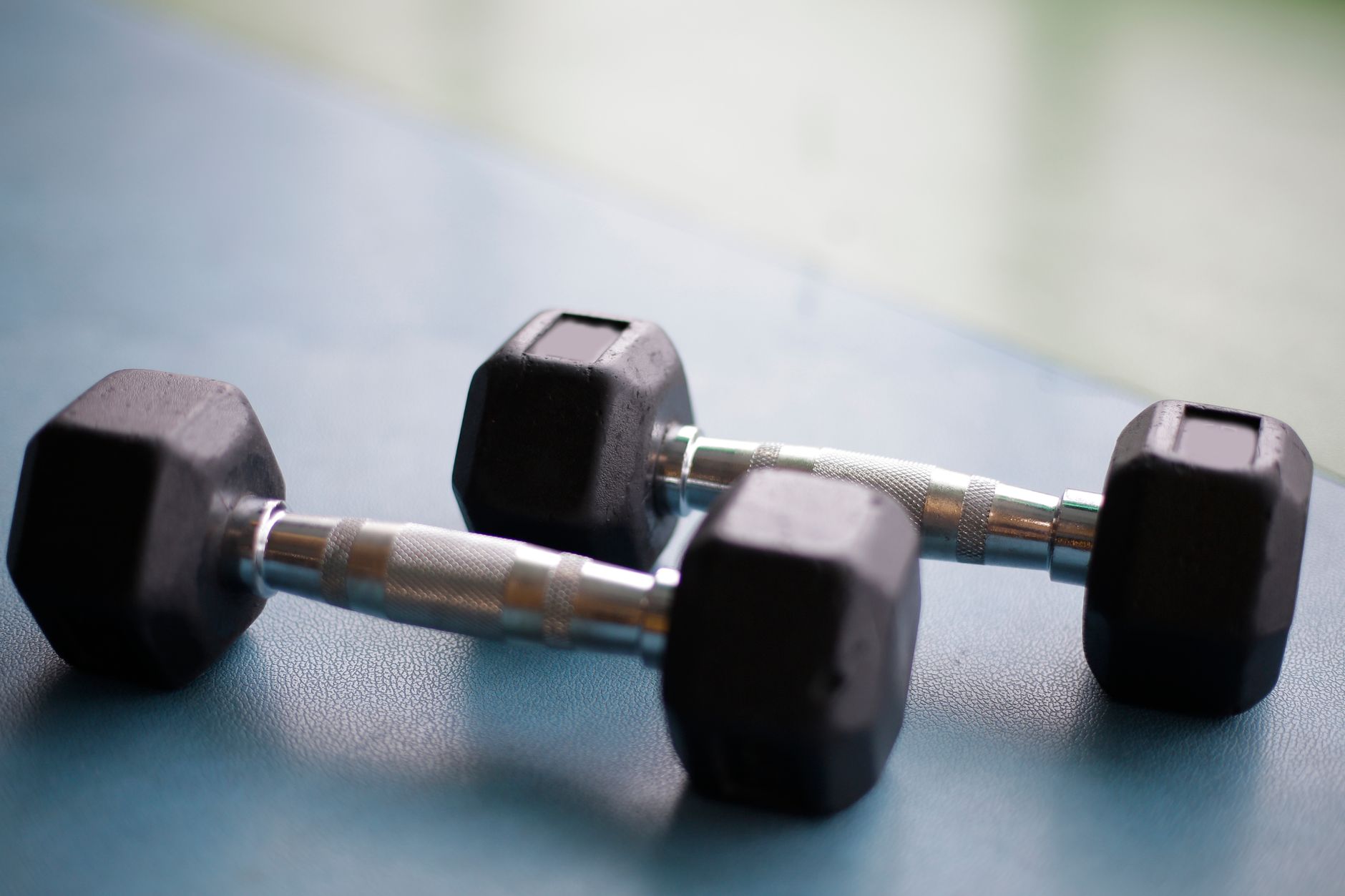
- Portability – One pair of adjustable dumbbells fits in a backpack. If you can’t adjust the weight, a set of fixed‑weight dumbbells that ranges from 5 to 20 pounds each is still plenty versatile.
- Versatility – From squats and lunges to rows and presses, a single dumbbell can mimic most compound movements you’d find in a gym.
- Progressive Overload – You can add weight gradually, or increase reps and reduce rest time to keep the stimulus strong.
- Space Efficiency – You only need a flat surface and a little room to move. No need for a bench or a squat rack.
- Cost‑Effectiveness – A pair of good‑quality dumbbells can be purchased for under $100, and they’ll last years with proper care.
Because of these benefits, a dumbbell‑only routine is ideal for beginners who want to build strength and muscle without committing to a gym or expensive equipment.
The Core Structure of a Full‑Body Dumbbell Routine
Below is a template that you can follow 2–3 times a week. Aim for 3–4 sets of each exercise, 8–12 reps per set, and 60–90 seconds of rest between sets. If you’re new, start with lighter weights and focus on form. Once you can comfortably complete the sets, add a little more weight or a few extra reps.
Warm‑Up (5–7 Minutes)
Jumping jacks, arm circles, hip circles, and body‑weight squats get the blood flowing and prepare your joints for work.
Workout Circuit
We’ll split the routine into three mini‑circuits that cover upper body, lower body, and core. Perform each exercise in order, then rest for 60 seconds before starting the next circuit. Repeat the entire circuit 3–4 times.
- Goblet Squat – Hold a dumbbell at chest level with both hands. Squat down, keeping your chest up and knees tracking over your toes. This targets quads, glutes, and core.
- Dumbbell Bench Press (or Floor Press) – Lie on a bench, mat, or the floor. Press the dumbbells up, elbows at 90°, chest engaged. Works chest, shoulders, and triceps.
- One‑Arm Row – Place one knee and hand on a sturdy surface; pull the dumbbell toward your hip. This focuses on the back and biceps.
- Standing Overhead Press – With feet shoulder‑width apart, press the dumbbells overhead. Targets shoulders and triceps.
- Romanian Deadlift – Hold dumbbells in front of thighs, hinge at hips, lower weight while keeping a slight bend in knees. Works hamstrings, glutes, and lower back.
- Alternating Lateral Raise – Raise each arm to the side until shoulder height. Improves shoulder width and stability.
- Russian Twist (with Dumbbell) – Sit, lean back slightly, twist torso side to side while holding the weight. Engages obliques and core.
- Hammer Curl – Curl the dumbbells with palms facing each other, emphasizing brachialis and forearms.
- Triceps Kickback – Lean forward, extend the arm behind you. Works triceps and rear delts.
Feel free to swap out exercises that feel uncomfortable or to add variations such as a single‑leg squat or a plank with a dumbbell pull‑through. The key is to hit all major muscle groups in a single session.
Adapting the Budget Dumbbell Workout for Any Setting
One of the biggest selling points of this routine is its adaptability. Here are a few ways to tweak it depending on where you’re working out.
Home or Apartment
Use a sturdy chair or a low table as a bench for presses and rows. If you have a small space, keep the workout in a corner and use a wall for support during certain exercises.
Hotel Room
All you need is a flat surface and a set of dumbbells. Use a towel as a makeshift bench for presses or simply do the floor press. The same circuit works; just adjust the weight if the hotel room is cramped.
Outdoor or Park
Bring your dumbbells to a bench or a sturdy tree branch for support. You can also perform body‑weight variations—like a pistol squat or a push‑up—while still holding the dumbbells for added resistance.
Office or Gym Break
Pack the dumbbells in a bag and do a quick 10‑minute mini‑workout during lunch. The routine can be shortened to a single circuit of 5 exercises if time is tight.
For more workout tips, explore our full range of routine ideas.

Progressive Overload: How to Keep Gaining Strength
Progressive overload is the principle that to build muscle, you must gradually increase the demand on your body. With a budget dumbbell workout, there are several ways to do this without buying more equipment. According to Harvard Health