
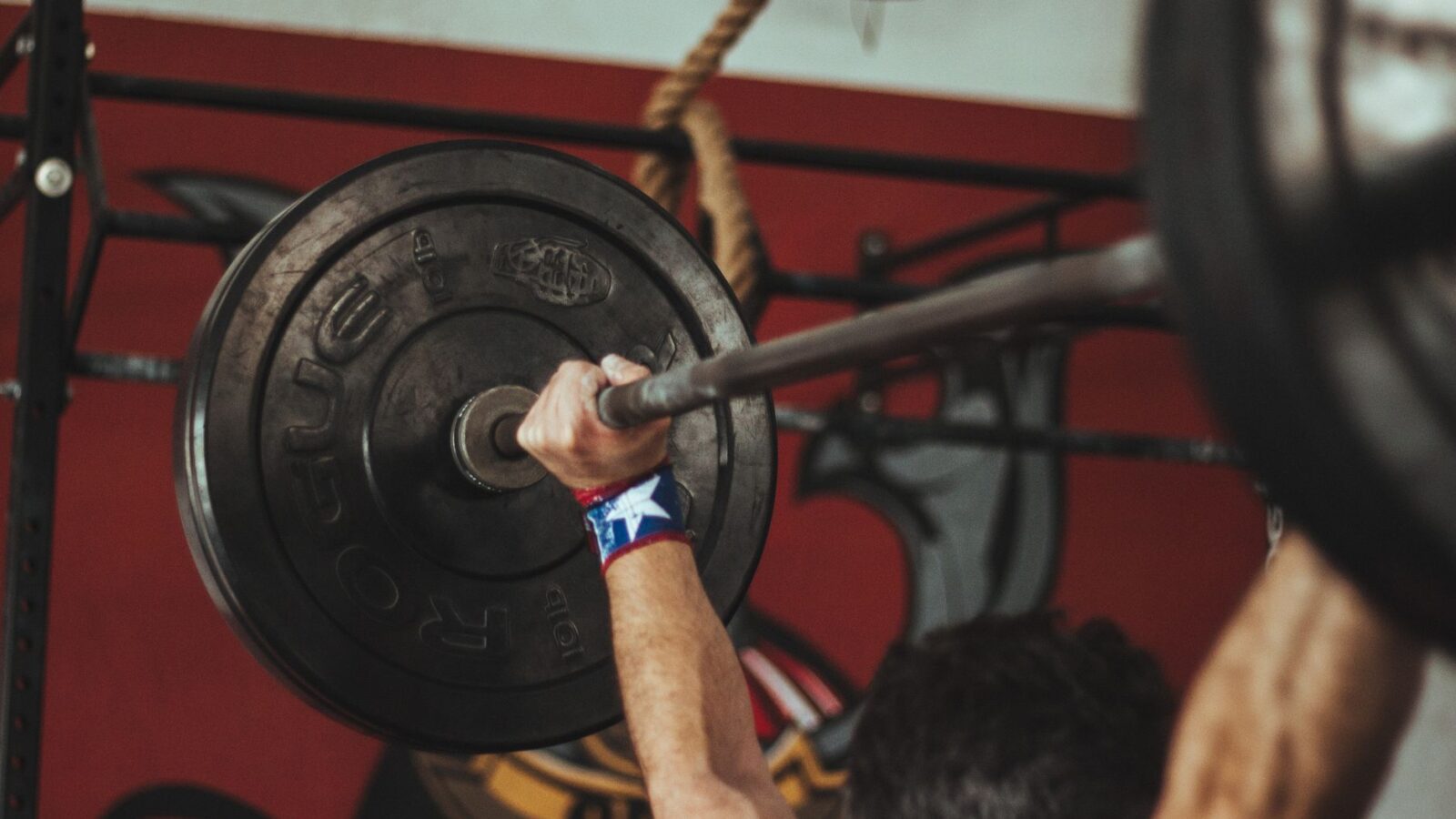
When you step into the gym, you’re probably thinking about squats, deadlifts, and maybe a few bench presses, but focusing on budget grip strength can give you an edge. You’re planning your sets, reps, and how many kilos you’ll rack. But have you ever paused to ask how much of that success actually hinges on the small muscles in your hands? Your grip strength is a hidden lever that can make or break your lifts, and for anyone on a tight budget, improving it is one of the cheapest ways to level up.
Think of your grip as the anchor of every compound lift. If the bar slips or your fingers start to burn, your muscles can’t do the work they’re supposed to. That’s why a lot of lifters hit a plateau not because their legs or back aren’t strong enough, but because their grip can’t hold the load. And the good news is you don’t need expensive gear to build a stronger hand. A few simple moves, some household items, and a smart training approach can give you the grip you need to lift more and get stronger. Developing budget grip strength doesn’t require fancy equipment.

Why Budget Grip Strength Is the Silent Powerhouse
When people talk about strength, they often focus on big muscle groups. But the hand is a complex system of bones, tendons, and small forearm muscles that work in concert to secure the barbell, dumbbell, or kettlebell. The muscles that control your grip—flexor digitorum superficialis, flexor digitorum profundus, and the intrinsic hand muscles—are some of the most active in the body during a lift.
Strong grip improves your overall performance in several ways:
- Stability. A solid grip keeps the bar in place, allowing the larger muscles to do the heavy lifting.
- Load capacity. When your fingers can hold more weight, you can push more on the bench, pull more on the barbell, and hang longer during pull‑ups.
- Injury prevention. Weak grip often forces compensatory patterns—such as flaring elbows or rotating shoulders—that can lead to strain.
- Efficiency. A firm grip reduces energy wasted on squeezing and holding, letting you focus on the lift itself.
In essence, grip strength is the gatekeeper. If it’s weak, the door to higher weights is closed.
When Budget Grip Strength Fails, Your Lifts Fail
Let’s walk through a few common lifts and see how a weak grip can sabotage your progress.
Deadlift. Even if your hamstrings and back can pull 200 kg, a grip that can’t hold 150 kg will force you to stop halfway. Many lifters report “plateaus” where they can’t add more weight because the bar slips or their hands start to feel numb.
Bench Press. The bench press is often thought of as a chest exercise, but your grip plays a vital role. If your fingers can’t secure the bar, you’ll lose stability, and the bar will drift, forcing you to use more shoulder or triceps work to compensate.
Pull‑Ups and Rows. These lifts rely on a firm grip to keep your body suspended. If your grip fatigue kicks in after the first set, you’ll struggle to complete the reps and your back and biceps won’t get the full stimulus.
Barbell Curls. A weak grip means you can’t load the barbell fully. Instead of hitting that 40 kg curl, you’ll stop at 30 kg because your fingers can’t hold the weight.
So, what’s a budget‑conscious beginner to do? The answer is simple: treat your grip like any other muscle group and train it deliberately.

Building a Grip That Supports Your Lifts – Practical, Budget-Friendly Ways
Below are the most effective and affordable methods to strengthen your grip. These moves can be added to your regular workout routine without needing pricey equipment. These exercises are designed to boost your budget grip strength efficiently.
1. Farmer’s Walks – The Classic Grip Builder
Grab a pair of heavy dumbbells, kettlebells, or even grocery bags filled with books. Walk a set distance or time while maintaining a tight grip. This exercise works the forearm flexors, the stabilizing muscles in your shoulders, and the core.
- How to do it. Hold the weights at your sides, keep your shoulders back, and walk 20–30 meters. Repeat for 3–5 sets.
- Budget tip. Use a backpack loaded with books or a pair of heavy water bottles if you don’t have dumbbells.
For more workout tips, check out our more workout tips collection.
2. Dead Hangs – The Grip Endurance Test
Hang from a pull‑up bar for as long as possible. This simple move improves your ability to hold a load over time, which is critical for exercises like deadlifts and pull‑ups.
- How to do it. Grab the bar with an overhand grip, let your body hang, and keep your core engaged. Aim for 30–60 seconds per set.
- Progression. Add weight by using a backpack or a small weight plate on your thighs.
3. Plate Pinches – Pinch Strength for the Win
Take two weight plates and pinch them together with your fingers. Hold for a minute or more. This exercise trains the intrinsic hand muscles and the fingers, which are often neglected.
- How to do it. Place plates side by side, grip them with your thumb on one side and fingers on the other, and hold for 30–45 seconds.
- Budget tip. Use any flat surface—like a table or a sturdy box—if you don’t have a plate rack.
4. Wrist Curls and Reverse Curls – Target the Forearms
These classic forearm moves are cheap and effective. Use a barbell, dumbbell, or even a resistance band.
- Wrist curls. Sit with forearms on a bench, palms up, curl the weight up.
- Reverse curls. Palms down, lift the weight, focusing on the back of the forearm.
5. DIY Grip Tools – Make Your Own
Not everyone can afford a fat grip or a grip trainer. Here are some DIY options:
- Rope. Tie a length of rope around a bar and perform pull‑ups or rows. The rope forces your fingers to grip more firmly.
- Towel Pull‑Ups. Wrap a towel over the pull‑up bar and hang. Pull up with the towel, which creates a larger surface for your hands.
- Sandbags. Fill a bag with sand or rice, secure it, and hold or lift it. The shifting load challenges your grip constantly.
6. Progression and Volume – Keep It Simple
Just like any other muscle group, your grip needs progressive overload. Start with manageable sets and gradually increase either the weight or the time you hold. A good rule of thumb: aim for 3–4 grip-specific sessions per week, spaced out so your hands recover between workouts.
Remember, the goal isn’t to become a hand‑strength champion overnight. Consistency beats intensity in the long run, especially when you’re working within a budget.
Common Grip Mistakes and How to Avoid Them
Even with the best training plan, a few mistakes can derail progress. Watch out for these pitfalls:
- Neglecting grip on heavy lifts. Many beginners assume a strong body can handle the weight. Skipping grip work means you’ll hit a ceiling sooner.
- Using too much chalk. Chalk can give a false sense of security. It’s better to train without it to truly strengthen your grip.
- Overtraining the forearms. The forearms recover