
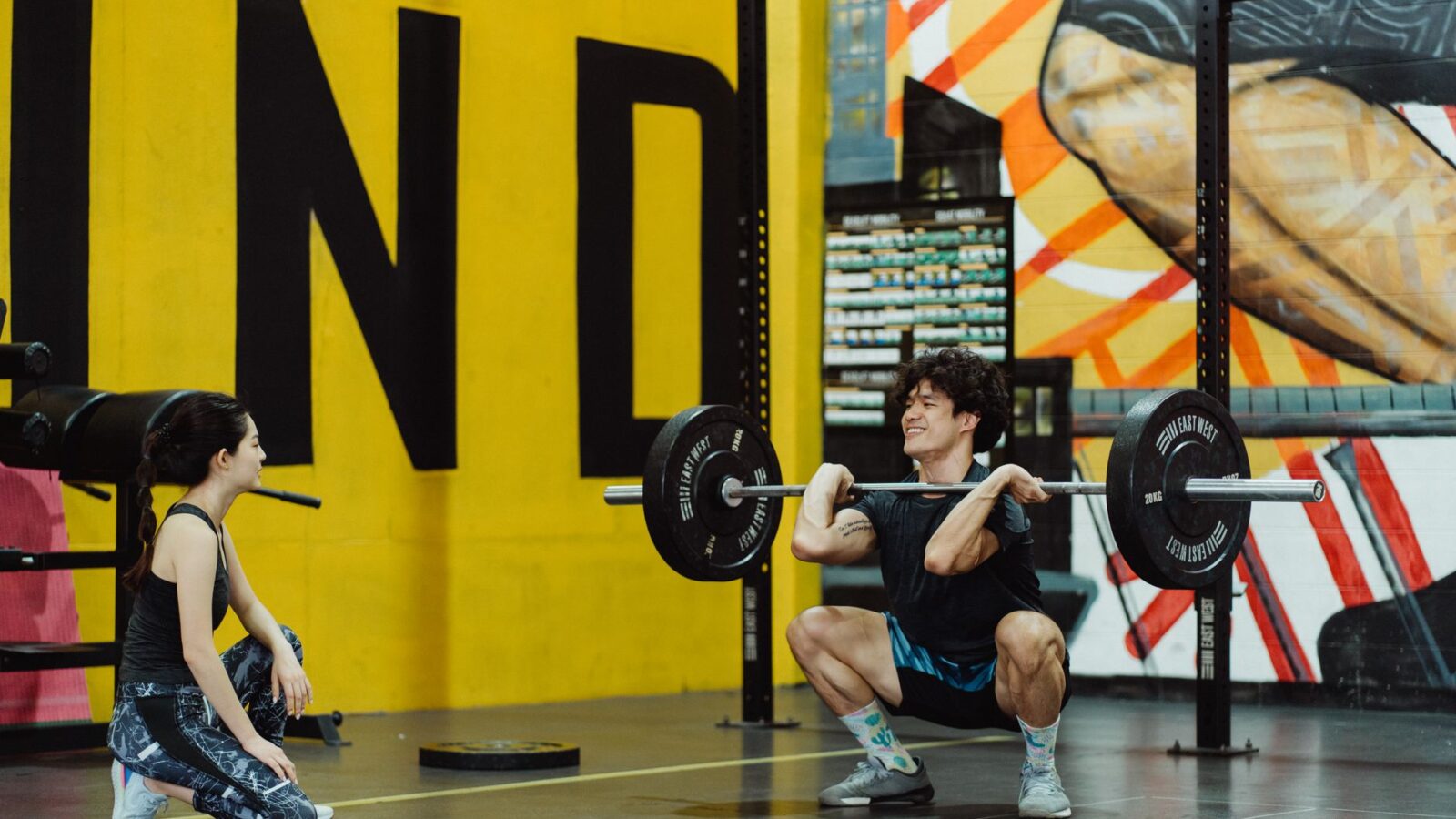
When you first step into a gym, the most obvious thing you’ll notice is the weight, but developing a strong mind muscle connection can change everything. Bigger numbers on the barbell plate feel like instant progress. But if you’re looking to actually grow muscle, the numbers alone won’t cut it. The secret that separates solid gains from plateauing is the mind‑muscle connection. It’s the invisible link that tells your body which fibers to fire and how hard.
As a beginner who’s still learning how to use equipment, you might think that feeling the burn is enough. In reality, the way you train with your mind can make a huge difference in the quality of your workout, the speed of your recovery, and even how much you can lift in the future. And the best part? You don’t need a fancy app or a personal trainer to build this skill. With a few simple habits, you can start feeling the muscle work the way you want it to.
Ready to turn your workouts into a science of muscle activation? Let’s dive into why the mind‑muscle connection matters and how you can train it on a budget.

What Exactly Is the Mind‑Muscle Connection?
The mind‑muscle connection is the ability to consciously target a specific muscle group during an exercise. Think of it as a mental “switch” that tells the muscle to contract, contract harder, or hold a stretch. It’s a neurological process that involves the brain, spinal cord, and peripheral nerves working together to coordinate movement.
When you lift a barbell, the brain sends a signal to the muscle. If you’re not paying attention, that signal can be a bit fuzzy. The muscle may activate the wrong fibers or not engage fully. Over time, this can lead to imbalanced development and increased injury risk.
Research from sports science labs, as noted by Harvard Health, shows that athletes who train with a strong mind‑muscle connection can recruit up to 20% more motor units in the targeted muscle compared to those who focus solely on the weight. That extra activation translates into more effective hypertrophy, better form, and faster progress.
For a budget‑conscious lifter, this means you can get more out of every set without buying the latest gear or hiring a coach. Your brain is free, and it’s one of the most powerful tools you can use at the gym.
Why the Mind‑Muscle Connection Matters for Muscle Building on a Budget
When you’re just starting out, you’re likely working with basic equipment—dumbbells, a barbell, maybe a resistance band. You’re not going to spend thousands on a smart trainer or a high‑tech gym. That’s where the mind‑muscle connection steps in.
1. Maximize Every Rep
Heavy weights are great, but if the muscle isn’t firing fully, you’re not getting the most out of that lift. By focusing on the contraction, you can create a stronger stimulus even with lighter loads.
2. Improve Form Without Extra Cost
Good technique is the foundation for muscle growth and injury prevention. When you consciously feel the muscle working, you’re less likely to let your form slip. This saves you from costly injuries that could sideline you for weeks.
3. Reduce Equipment Dependency
You can’t buy a “mind‑muscle” device, but you can use simple tools that help you feel the muscle—like resistance bands or a light dumbbell. These are inexpensive and versatile.
4. Build Consistency
A strong mind‑muscle connection turns your workouts into a more intentional practice. That intentionality keeps you engaged and makes it easier to stick with a routine over time.
In short, mastering this connection is a low‑cost, high‑return strategy that gives you a competitive edge in the gym.

How to Build the Mind‑Muscle Connection: A Practical Playbook
Below is a step‑by‑step guide you can follow at any gym or at home. The focus is on techniques that require minimal equipment and can be incorporated into any workout routine.
1. Start with a Dedicated Warm‑Up for Mind‑Muscle Connection
Before you lift heavy, spend 5–10 minutes doing dynamic movements that isolate the target muscle. For example, if you’re planning a bench press, do a few sets of dumbbell flys with just the weight of the bar. This primes the muscle and trains the brain to recognize its movement pattern. For more guidance, see our exercise form and technique guide.
Why this helps: Warm‑up sets raise blood flow and activate the nervous system, making it easier to feel the muscle later in the workout.
2. Use Lighter Loads with High Concentration
It might sound counterintuitive, but lifting lighter weights while focusing intensely can produce better muscle activation than a heavy set with distracted mind. Pick a weight that allows you to perform 12–15 reps with perfect form, then close your eyes for a moment and visualize the muscle working.
Try the “pause and feel” technique: pause at the bottom of a squat for 1–2 seconds, then consciously squeeze the glutes before standing. This brief break forces the muscle to contract fully.