

When you’re just starting to lift, the first question that pops up is often, “How do I get enough budget high protein foods to build muscle?” It’s not just about hitting a number on a spreadsheet. It’s about choosing foods that actually fuel growth, fit your budget, and keep you satisfied. In this post we’ll dive into the science behind high‑protein foods and break down the best options for real muscle gains without breaking the bank.
Picture this: you’re back from a solid workout, your muscles are humming with the need for repair, and you’re wondering what to eat next. Choosing budget high protein foods lets you stay on track while keeping grocery bills low. The answer isn’t a fancy protein shake or a pricey specialty item; it’s a combination of foods that deliver the right amino acids, are easy to prepare, and stay affordable. That’s what we’ll focus on—real, practical food choices that pack a protein punch and fit into a beginner’s schedule.
Understanding What Makes Protein Great for Muscle
Before we jump into specific foods, let’s clarify why certain proteins stand out for muscle building. The goal isn’t just to consume any protein; it’s to give your body the building blocks it needs to repair and grow. Research from Harvard Health shows that protein timing can influence muscle synthesis. Here’s what to keep in mind:
- Complete vs. Incomplete Proteins – Complete proteins contain all nine essential amino acids, especially leucine, which triggers muscle protein synthesis. Animal proteins (meat, dairy, eggs) are typically complete, while most plant proteins are incomplete, meaning they miss one or more essential amino acids.
- Digestibility – Even a protein with a full amino acid profile won’t help if it’s hard for your body to absorb. Whey, for example, is almost instantly digested, making it a popular choice for post‑workout meals.
- Leucine Content – Leucine is the amino acid that signals muscle growth. Foods high in leucine can kick-start the repair process more effectively.
- Cost per Gram – For beginners, the price per gram of protein matters. A dollar per gram might feel high, but a dollar per 20 grams can be a game‑changer over a month.
When you evaluate a food, look at how it stacks up on these four fronts. A high‑protein food that’s inexpensive, digestible, and leucine‑rich is a win for anyone looking to build muscle.
Animal Proteins: Budget High Protein Foods for Muscle
Animal proteins have long been the go‑to for strength training. They’re complete, rich in leucine, and usually easy to cook. When you shop for budget high protein foods, look for sales on bulk items and consider buying larger packs to stretch your dollars. Let’s look at the most budget‑friendly options:
Chicken Breast – A staple in many gyms, chicken breast offers about 31 grams of protein per 100 grams. It’s lean, versatile, and often available in bulk. Buying a whole chicken or a large pack of thighs and shredding them into meals can stretch the price further.
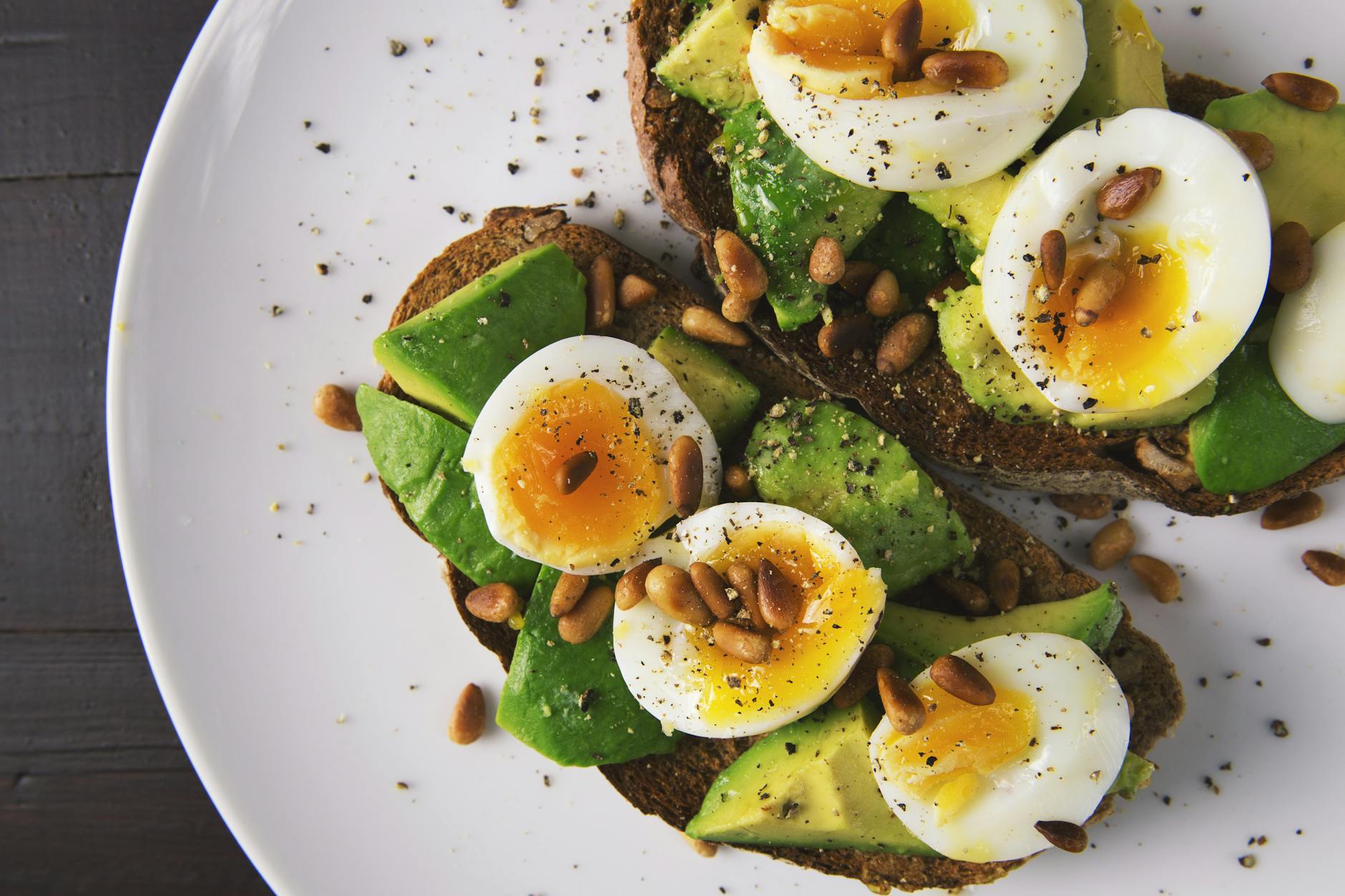
Eggs – One large egg packs around 6 grams of high‑quality protein and contains all essential amino acids. Eggs are inexpensive, especially when bought in cartons, and can be cooked in dozens of ways. The yolk adds healthy fats and vitamins that help with hormone production, which is key for muscle growth.
Greek Yogurt – Thick, creamy, and protein‑rich, Greek yogurt typically delivers 10–12 grams of protein per 100 grams. Look for plain varieties to avoid added sugars. It’s also great for a quick pre‑ or post‑workout snack, especially when paired with a handful of berries or a drizzle of honey.
Ground Beef (Lean) – Lean ground beef (90% lean or higher) supplies about 25 grams of protein per 100 grams and is packed with iron and zinc—nutrients that support energy and recovery. Buying in bulk and freezing portions can keep costs down.
These foods are reliable, widely available, and can be mixed into a variety of dishes—from stir‑fries to casseroles—making them practical for beginners who want to keep meal prep simple.
Plant‑Based Proteins: Budget High Protein Foods for Vegetarians
If you’re vegetarian, vegan, or just looking to diversify your plate, plant proteins can also support muscle growth—though you’ll need to pay attention to how you combine them to hit all essential amino acids.
Lentils – A cup of cooked lentils offers 18 grams of protein and is rich in fiber, iron, and B vitamins. Pair them with a whole grain like quinoa or brown rice for a complete protein meal. Lentils are also inexpensive and can be cooked in bulk.
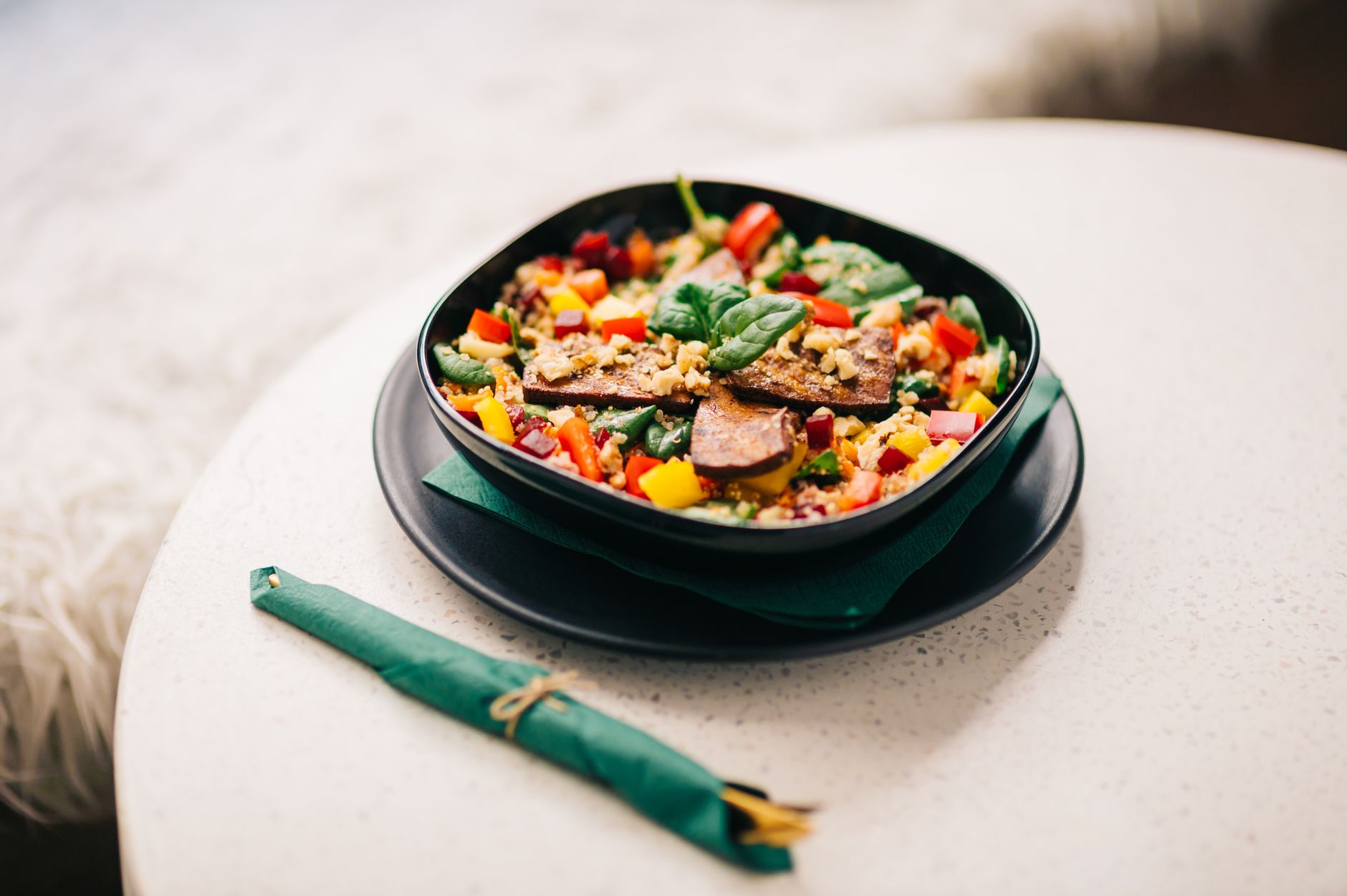
Tofu – Made from soybeans, tofu is a complete protein with roughly 8 grams per 100 grams. It’s versatile—marinate, scramble, or grill—and absorbs flavors well. Buying a block and slicing it for various dishes keeps the cost low.
Quinoa – While not a huge protein source on its own (8 grams per cup cooked), quinoa is a complete protein and can be combined with beans or lentils to boost the overall amino acid profile.
Peanut Butter – Peanut butter provides about 25 grams of protein per 100 grams and adds healthy fats. It’s a great addition to smoothies or a spread on whole‑grain toast. Look for natural versions with just peanuts and salt to avoid added sugars.
When you’re using plant proteins, aim for a variety of legumes, grains, and nuts throughout the day. This “protein blending” ensures you’re getting all the essential amino acids needed for muscle repair.
Timing, Portion Size, and Practical Meal Planning
Protein is only part of the equation. How and when you consume it can influence how effectively your body uses it.
Post‑Workout Window – Aim to eat a protein source within 30–60 minutes after lifting. This window is when muscle cells are most receptive to amino acids. A simple option could be a protein shake, a hard‑boiled egg, or a bowl of Greek yogurt.
Spread It Out – Consuming about 20–30 grams of protein per meal is optimal for most people. If you’re eating three meals a day, that’s roughly 60–90 grams of protein. Adding a small snack with protein (like a handful of nuts or a protein bar) can help reach your daily goal.
Batch Cooking – Preparing proteins in bulk (