

Budget protein sources are the building block that turns the sweat and effort you put into the gym into muscle. If you’re just starting out and watching your wallet, it can feel like a juggling act: hit the gym, eat well, pay the rent. The good news? You don’t need a fancy diet plan or a stack of protein powders to meet your needs. A few smart choices and a simple structure can keep your protein on track without turning your kitchen into a laboratory.
Most people think hitting protein goals means buying expensive meats, fancy bars, or constantly whipping up gourmet meals. That’s a myth. The real trick is to treat protein like a staple food—something you can buy in bulk, store easily, and mix into everyday dishes. In this post we’ll break down the math behind protein targets, show you a list of affordable sources, and give you a one‑day template that can be tweaked for any budget. By the end, you’ll know how to keep your protein steady, your meals simple, and your expenses low. By focusing on budget protein sources, you can meet your macros without breaking the bank.

Understanding Your Protein Needs
Before you dive into grocery lists, you need a baseline: how much protein should you actually consume? The general recommendation for active individuals who want to build muscle is around 1.6 to 2.2 grams of protein per kilogram of body weight per day. That’s roughly 0.7 to 1 gram per pound. So if you weigh 160 pounds, aim for about 112 to 160 grams of protein daily.
Many beginners try to cram all that protein into a few meals, thinking a single “protein shake” will do the trick. The body’s capacity to synthesize muscle protein from a single meal tops out around 20 to 25 grams for most people. Splitting your intake into 4–5 smaller portions throughout the day gives your muscles a steady supply and improves absorption.
Here’s a quick formula to get your daily target:
- Convert your weight to kilograms (divide pounds by 2.2).
- Multiply by 1.8 (the mid‑range of 1.6–2.2).
- The result is your daily protein goal in grams.
For example, a 150‑lb lifter (68 kg) would target 122 grams of protein per day. Knowing this number is your first step toward a clear plan.
Choosing Budget Protein Sources
Protein doesn’t have to come from high‑price cuts of beef or specialty bars. Below are some budget‑friendly options that pack a punch and are easy to incorporate into any meal. These budget protein sources can be bought in bulk to stretch your dollars.
- Eggs – One large egg has about 6 grams of protein and can be cooked in countless ways. Buy in bulk, keep in the fridge, and use them for breakfast, snacks, or a quick stir‑up with veggies.
- Canned tuna or salmon – A 5‑oz can delivers around 20 grams of protein. It’s shelf‑stable, cheap, and can be turned into salads, sandwiches, or mixed with a little mayo for a fast bite.
- Chicken thighs or drumsticks – These cuts are usually cheaper than breast and still offer about 20–25 grams of protein per 100 grams. Roast a batch on Sunday, shred for tacos or add to stews.
- Greek yogurt (plain, low‑fat) – 170 grams give you roughly 15–20 grams of protein. Add fruit or a drizzle of honey for a quick snack.
- Lentils and beans – A cup of cooked lentils contains about 18 grams. They’re also high in fiber, making them a great combo for muscle recovery and gut health.
- Cottage cheese – 1 cup has around 28 grams. Mix with pineapple or keep it plain for a late‑night protein hit.
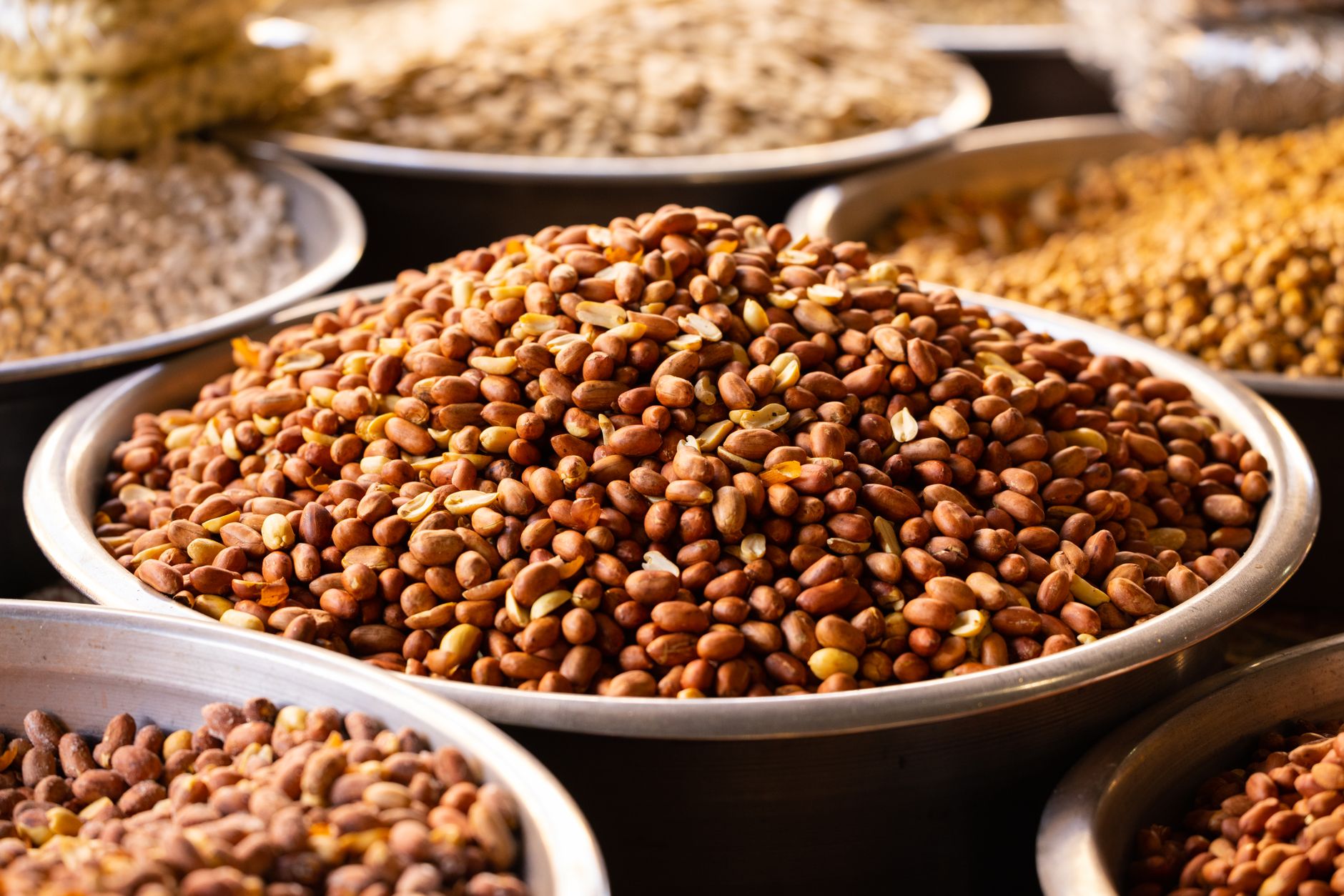
- Peanut butter – While not as protein‑dense as meat, a couple of tablespoons provide 8 grams and can be spread on whole‑grain bread or added to smoothies.
Remember, the key is variety. A mix of animal and plant proteins not only keeps costs down but also ensures you’re getting a range of amino acids and micronutrients. For more ideas, see budget-friendly nutrition tips.
Smart Meal Timing with Budget Protein Sources
Now that you know how much protein you need and where to find it cheaply, let’s look at a practical day that hits those numbers without a lot of prep time.
Sample 1‑Day Protein Plan (≈140 g)
Breakfast – Egg & Veggie Scramble
2 large eggs (12 g) + 1 cup spinach + 1/2 cup diced tomatoes + 1/4 cup shredded cheese (5 g) = 17 g. Pair with a slice of whole‑grain toast for carbs.
Mid‑Morning Snack – Greek Yogurt & Berries
1 cup plain Greek yogurt (20 g) + 1/2 cup mixed berries. Quick, no‑cook.
Lunch – Tuna Sandwich
1 can tuna (20 g) + 2 slices whole‑grain bread (6 g) + mustard + a handful of greens = 26 g.
Afternoon Snack – Peanut Butter Banana
2 tbsp peanut butter (8 g) + 1 banana. You’ll get a protein boost and a potassium hit for recovery.
Post‑Workout Shake – DIY Protein Smoothie
Blend 1 scoop whey or plant protein (20 g) with 1 cup milk or almond milk, a handful of spinach, and a frozen banana. Total ~20 g.
Dinner – Chicken & Lentil Stew
200 g chicken thighs (40 g) + 1 cup cooked lentils (18 g) + veggies, spices, and a splash of broth = 58 g.
That’s about 139 g of protein—right in the sweet spot for a 150‑lb lifter. Notice how each meal sticks to a few ingredients, and most can be prepped in bulk.
For a “no‑cook” alternative, keep a stash of canned beans, frozen edamame, and pre‑cut veggies. Toss them into a bowl with a drizzle of olive oil and a sprinkle of salt for a quick protein boost.
Timing matters. Aim to consume a protein‑rich meal or snack every 3–4 hours. That keeps the muscle repair process running smoothly and prevents the body from dipping into stored protein during long gaps.

Practical Tips for Budget Protein Sources
Even the best plans can falter if you fall into these traps:
- Relying too heavily on protein powders. While convenient, they’re often pricey and can replace whole foods that provide fiber, vitamins, and minerals. Use them sparingly—just enough to fill gaps.
- Skipping meals to “save” calories. Muscle growth needs a steady supply of nutrients. Skipping meals can lead to a protein deficit and slower recovery.
- Ignoring the quality of protein. Cheap protein can be fine, but make sure it’s not overly processed or high in added sugars. Opt for natural, minimally processed sources whenever possible.
- Not tracking intake. Even on a tight budget, it helps to log your meals or use a simple spreadsheet to ensure you hit your daily goal.
- Overcomplicating recipes. The simplest meals often work best. One‑pot dishes, sheet‑pan roasts, and batch‑cooked grains save time and reduce waste.
Here’s a quick cheat sheet to keep on your fridge door:
- Eggs – 6 g each
- Chicken thigh – 20 g per 100 g
- Greek yogurt – 20 g per cup
- Canned tuna – 20 g per can
- Lentils – 18 g per cooked cup
- Peanut butter – 8 g per 2 tbsp
Use this as a reference when you’re shopping or planning meals. You’ll find that a few smart swaps can keep you on target without breaking the bank. Focusing on budget protein sources helps you stay on track without overspending.

Building muscle on a budget is all about smart choices, not fancy gadgets. If you keep your protein steady, eat simple meals, and watch for common pitfalls, you’ll see progress that feels tangible and sustainable. According to Harvard Health