
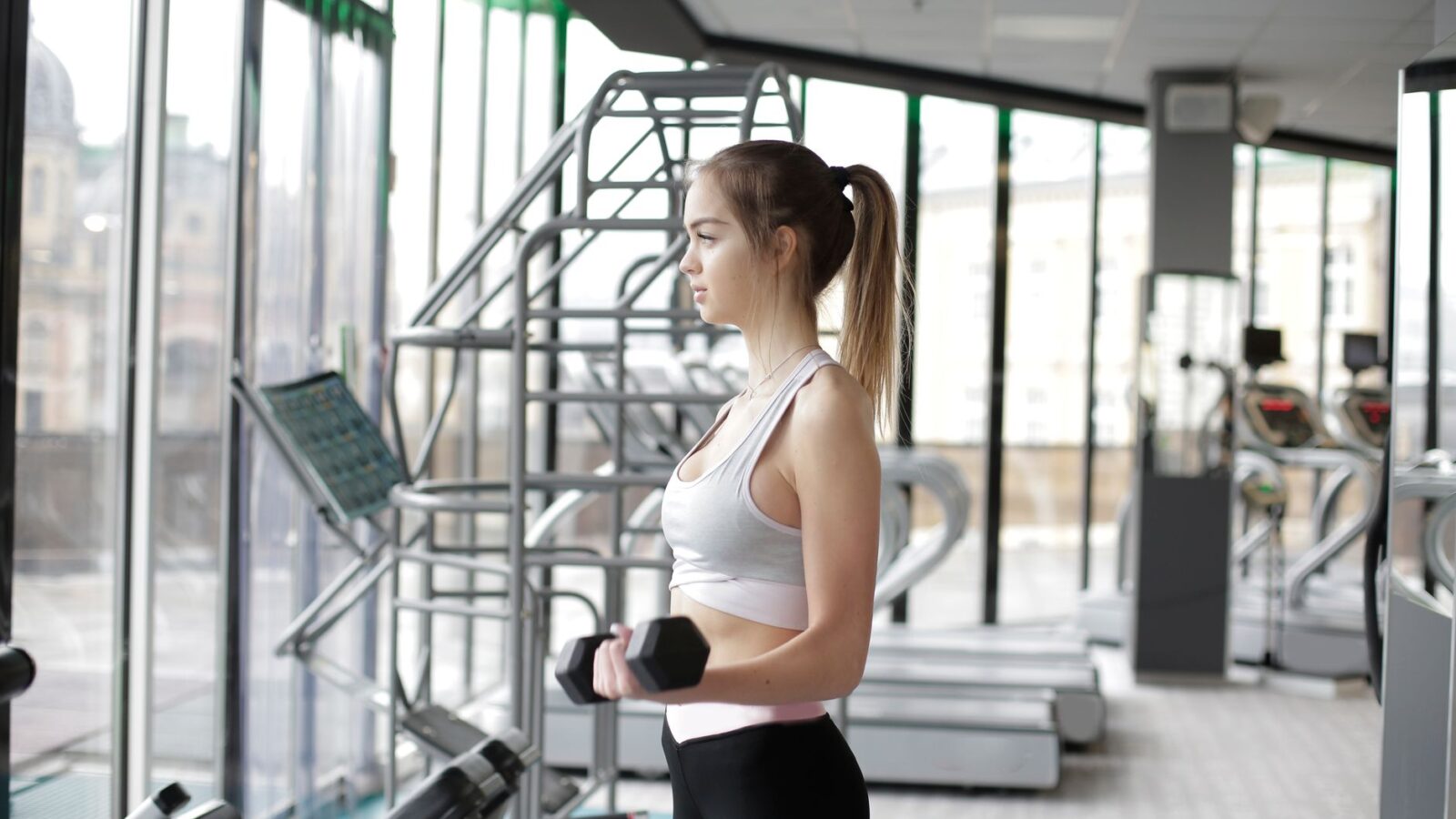
When you’re hitting the gym for the first time, it’s easy to think that budget grip strength isn’t a priority, but the heavier the bar, the faster you’ll build muscle. But there’s a tiny, often overlooked factor that can hold you back: grip strength. A strong grip isn’t just a nice perk; it’s a foundational element that can make or break your lifting performance.
Think about the last time you tried to finish a set of heavy deadlifts or pull‑ups and felt your fingers give out. That moment isn’t a sign of weakness; it’s a signal that your grip is lagging behind the rest of your body. For beginners, improving budget grip strength can unlock higher weights, better form, and quicker progress—all without spending a fortune on fancy gear.
In this post, I’ll walk you through why grip matters, how a weak hold can sabotage your gains, and practical, budget‑friendly ways to build a stronger grip, enhancing your budget grip strength. Whether you’re a college student, a part‑time worker, or just someone who wants to squeeze more out of every session, this guide will give you the tools to grip better and lift smarter.

Why Budget Grip Strength Matters for Lifting
When you lift, your hands are the first point of contact between you and the barbell, dumbbell, or kettlebell. A strong, stable grip provides a solid foundation for transferring force from your forearms and wrists to the rest of your body. Here are a few key reasons why grip strength is a game‑changer:
- Load Capacity: In exercises like deadlifts, rows, and pull‑ups, the grip is often the limiting factor. If your fingers can’t hold the weight, the rest of your body can’t do its job.
- Joint Protection: A weak grip can cause your wrists and elbows to compensate, leading to strain or injury over time. For more information, see Harvard Health.
- Technique Consistency: A stable grip keeps your bar path cleaner, allowing you to maintain proper form and reduce the risk of cheating or poor mechanics.
- Progressive Overload: As you lift heavier, your grip will naturally become a bottleneck. Strengthening it lets you continue to progress without hitting a plateau.
Even if you’re not a powerlifter or a CrossFit athlete, a stronger grip helps you finish sets with fewer failures and improves overall performance in almost every strength training program.
How Weak Grip Limits Your Gains
When your grip is the weak link, it shows up in several concrete ways:
- Early Fatigue: You might find yourself dropping the bar after only a few reps because your fingers can’t hold the load.
- Reduced Volume: You may cut a set short or skip a movement altogether to avoid the risk of a grip failure.
- Compromised Form: A shaky grip forces you to adjust your wrist position or lean forward, which can shift stress onto other joints.
- Limited Exercise Selection: Some lifts, like the farmer’s walk or snatch, require an exceptionally strong grip, so you might avoid them if you’re not confident.
Consider the deadlift as a case study. The first few repetitions often feel easy, but by the fourth or fifth rep, the bar feels like it’s slipping. That’s the grip reaching its threshold. If you’re training on a budget, you might be tempted to skip the heavy sets or use a lighter weight, which slows progress. Strengthening your grip can unlock that “extra rep” you’re missing.
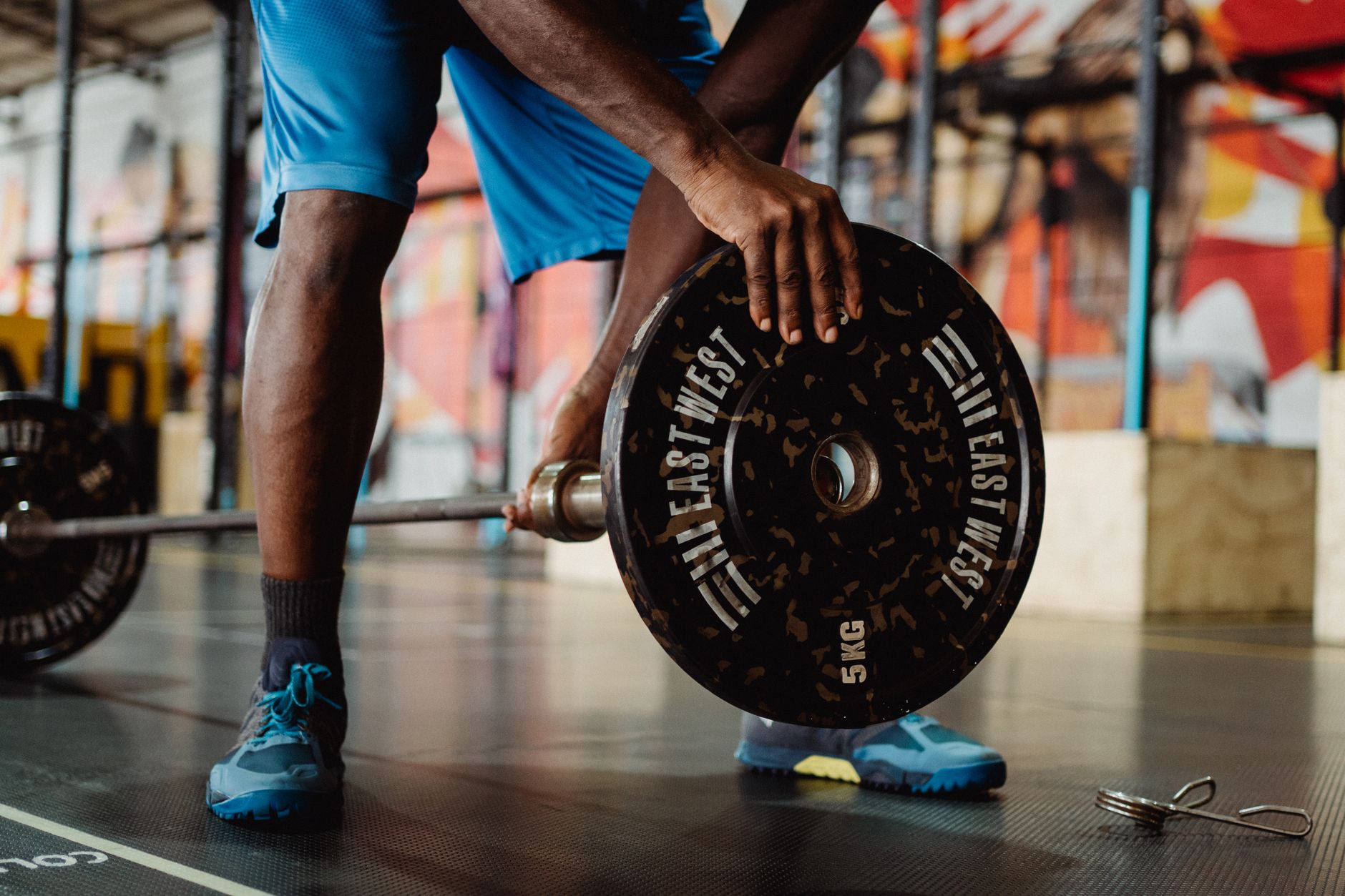
Training Your Budget Grip Strength on a Budget
Good news: you don’t need a fancy grip trainer or expensive weighted plates to build budget grip strength. Below are some inexpensive, effective methods that fit into any routine.
1. Farmer’s Walk
Grab a pair of dumbbells, kettlebells, or even grocery bags and walk for distance or time. This classic move targets the forearm flexors, wrist stabilizers, and even core muscles. All you need is a pair of heavy objects—don’t worry about buying new gear; repurpose items you already have.
2. Plate Pinches
Take two weight plates and pinch them together with your thumb and fingers. Hold for as long as you can, then release. This exercise focuses on the pinch grip, which is crucial for exercises like deadlifts and pull‑ups. If you’re starting out, use 5‑10 kg plates; as you progress, swap to heavier ones.
3. Wrist Curls and Reverse Curls
Using a light barbell or dumbbell, perform wrist curls (palms up) and reverse curls (palms down). These target the flexor and extensor muscles separately, building balanced forearm strength. Keep the weight moderate—your goal is endurance and control, not a massive lift.
4. Towel or Rope Pull‑Ups
Wrap a towel or rope around the pull‑up bar and perform pull‑ups. The added friction forces your grip to work harder, while the towel’s slack reduces the load slightly, making it easier to complete more reps.
5. Chalk and Grip Aids
If you’re dealing with sweaty hands, a small bottle of chalk can make a big difference. Chalk improves friction and reduces slipping. It’s inexpensive and can be bought in bulk at most sporting goods stores.
6. Isometric Holds
After a set of deadlifts, hold the bar at the top for 10–15 seconds. This static hold forces your forearms to maintain tension, building endurance. You can also hold a weighted object (like a backpack) for time.
7. Use a Thick Bar or Fat Grip Attachments
If you have access to a gym, swapping to a thicker bar or adding fat grips can increase the challenge for your hands and forearms. If that’s not an option, use a towel or a thick rubber sleeve around a dumbbell or barbell to simulate the effect.
Consistency is key. Aim to incorporate grip work 2–3 times per week