

When you hit the gym, you might wonder about muscle soreness vs injury, and you’re probably already listening for the familiar throbbing in your muscles after a hard session. That feeling, called delayed onset muscle soreness or DOMS, is part of the muscle building process. But what if that same ache turns into a sharp, burning pain that won’t go away? It could be a sign of an injury, not just normal soreness. Knowing the difference matters, especially when you’re working out on a budget and can’t afford to waste time or money on unnecessary doctor visits.
Every lifter has that “I’m fine” moment where you shrug off a nagging ache, only to find yourself stuck at the bench press or missing a workout because the pain is worse than expected. Distinguishing muscle soreness vs injury early can save you weeks of downtime. If you’re new to training, you’ll quickly learn that muscle soreness is normal, while an injury can derail your progress and cost you more than a simple rest day. In this guide, we’ll break down the signals that separate soreness from injury, give you practical ways to spot the red flags, and share budget‑friendly ways to recover or treat a potential injury.
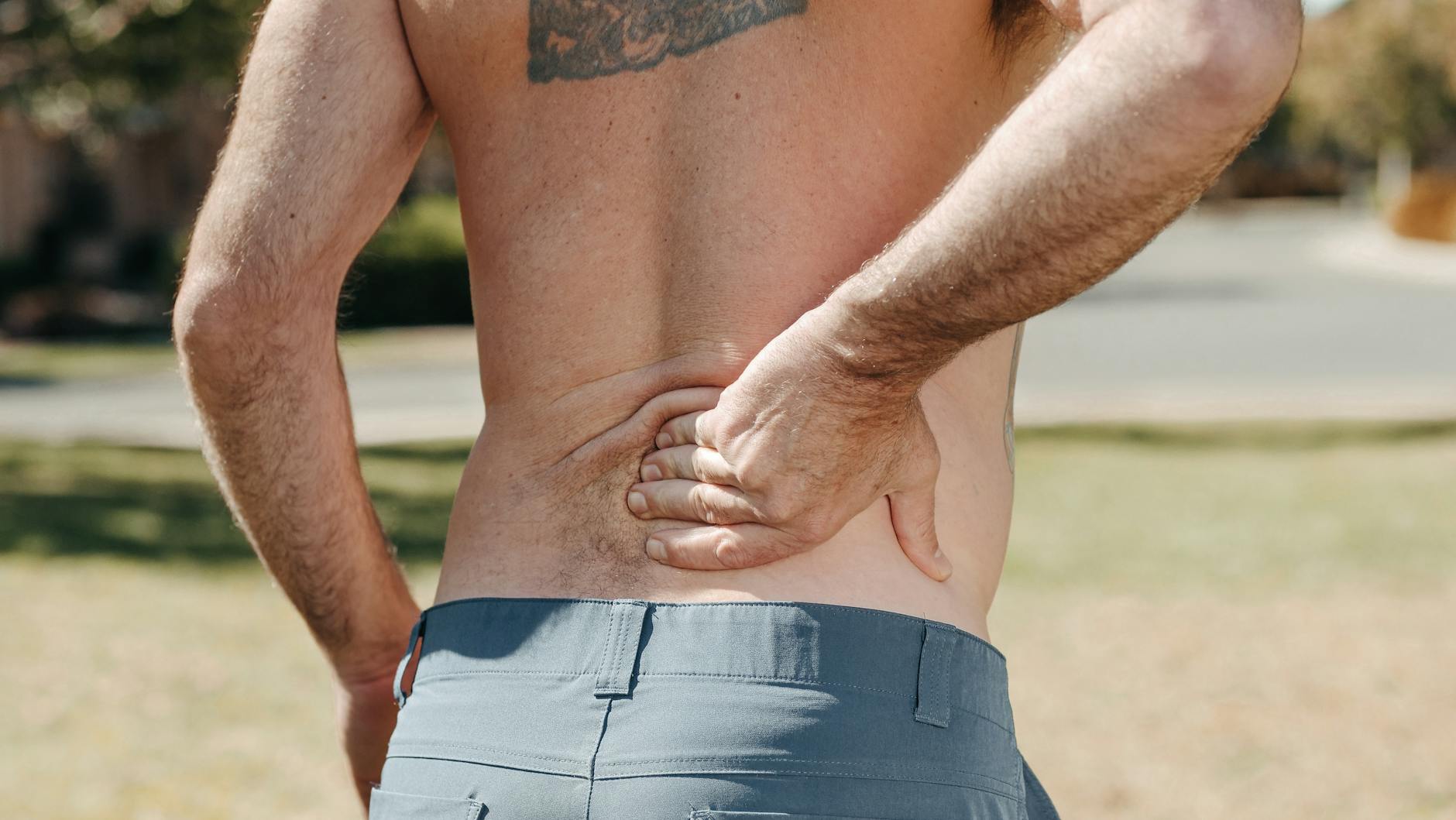
Understanding Muscle Soreness vs Injury: What to Expect After a Hard Session
Muscle soreness is the body’s natural response to micro‑tears in muscle fibers caused by resistance training. It’s a sign that your muscles are adapting and getting stronger. DOMS typically shows up 12–48 hours after a workout and peaks around 24–72 hours. Here are the key characteristics:
- Timing: Soreness starts late, often after you’ve finished exercising and even after a day of rest.
- Location: The pain is usually diffuse and affects the muscle group you worked. For example, a heavy squat will leave your quadriceps, hamstrings, and glutes feeling sore.
- Quality: DOMS feels like a dull, aching or throbbing sensation. It’s not sharp or localized to a specific spot.
- Intensity: It can range from mild to uncomfortable but rarely interferes with everyday movement. You can still walk, sit, or even lift light weights.
- Duration: Soreness usually resolves within 3–5 days with normal activity and simple recovery methods.
Because soreness is a normal part of muscle growth, you’ll often see it after a new exercise or an increase in volume or intensity. It’s a sign that your body is adapting, not a warning signal. When evaluating muscle soreness vs injury, consider the timing and quality of the pain.
Why DOMS Happens: The Science Behind the Pain
When you push a muscle beyond its usual load, microscopic damage occurs. The body responds by sending inflammatory cells to the area, which release chemicals that irritate nerve endings. This inflammation and nerve irritation produce the aching feel of DOMS. Over time, as your body repairs these micro‑tears, it builds stronger fibers, which is why consistent training leads to gains.
Keep in mind that while soreness can be a positive indicator of muscle stimulation, it’s not a reliable measure of training effectiveness. A light day can still produce soreness if you’re working a muscle you haven’t used in a while. Conversely, an intense session may feel painless if your body has adapted.
Recognizing an Injury vs Muscle Soreness: When Pain Goes Beyond the Normal
Injuries happen when tissue damage exceeds the body’s ability to repair quickly. Unlike DOMS, injury pain is often sharp, localized, and persistent. Common training injuries include:
- Strains: Overstretch or tear of muscle or tendon fibers, usually from sudden or excessive force.
- Sprains: Ligament damage caused by a joint being forced beyond its normal range.
- Contusions: Bruises from direct impact.
- Tears: Partial or complete ruptures of muscle, tendon, or ligament.
- Stress fractures: Tiny cracks in bone from repetitive loading.
Each type of injury has specific signs that set it apart from ordinary soreness. Understanding these can help you decide whether to push through or seek professional help.
Typical Injury Symptoms to Watch For
When you’re dealing with an injury, the pain is usually:
- Sharp or stabbing rather than dull.
- Localized to a specific spot—think a single point on your knee or a spot on your back.
- Present during the first 24 hours, not delayed.
- Accompanied by swelling, bruising, or a feeling of instability.
- Worsening with movement or weight bearing, rather than improving with gentle activity.
Injuries also often cause a loss of function. If you can’t straighten a joint, lift a certain weight, or feel a muscle’s full range of motion, it’s a red flag. Remember, “pain is a warning system” not a performance metric.

How to Tell the Difference: Practical Diagnostic Tips
It’s easy to misinterpret soreness as an injury, especially if you’re new to training. Below are practical ways to differentiate the two without needing a pricey sports therapist.
1. Look at the Timing
DOMS usually starts 12–48 hours after a workout. If the pain began during or immediately after exercise, especially if it was sharp or intense, it might be a strain or sprain. Think of a sudden “pop” in your knee during a squat or a sharp ache in your forearm during a bicep curl.
2. Examine the Pain Quality
Ask yourself: Is the pain a dull ache that eases with gentle movement, or is it a sharp, localized sting that spikes with certain motions? Dull, diffuse pain that eases after a day or two is likely DOMS. A sharp, localized pain that intensifies with specific movements suggests an injury.
3. Check for Swelling or Bruising
Swelling or discoloration is a clear sign of tissue damage. DOMS doesn’t cause visible changes in the skin or joint. If you notice a swollen knee after a deadlift, it’s time to stop and evaluate.
4. Evaluate Functional Loss
Can you still perform daily tasks or light exercise? If you can walk, sit, or do a light stretch without significant discomfort, you’re likely dealing with soreness. If you can’t fully extend a joint, feel a muscle’s full range, or bear weight, an injury may be present.
5. Use the “5‑Second Rule” for Pain Intensity
During the first 5 seconds of pain, DOMS is usually mild. If the pain hits a 6–10 on a scale of 0–10 within that first few seconds, it’s more likely an injury. This quick check can help you decide whether to push through or stop.
6. Observe Recovery Time
DOMS typically clears within 3–5 days. If the pain lingers beyond a week or worsens, it’s probably not just soreness. Keep a simple log of pain levels each day to track progress.
When in Doubt, Rest and Reassess
Sometimes the only way to be sure is to give the area a break, apply ice, and see how it feels after a day or two. If the pain improves, you were likely dealing with soreness. If it stays or gets worse, consider a professional evaluation. Even a quick check from a physiotherapist can save you from a long‑term setback.

More for You
Budget‑Friendly Guide to Spotting Muscle Soreness vs Real Injury
Ever wonder if it’s muscle soreness vs injury after hitting a new high at the gym? You’re probably wondering whether that burning…
Rest Days vs Active Recovery: Budget‑Friendly Guide for Beginners
When you’re stacking plates in the gym, the question of rest day vs active recovery is front‑of‑mind, but you’re probably focused on…
Budget Hydration Tips to Boost Muscle Gains and Speed Recovery
When you’re just starting out on a muscle‑building journey, budget hydration tips can help you stay on track while juggling protein shakes,…