
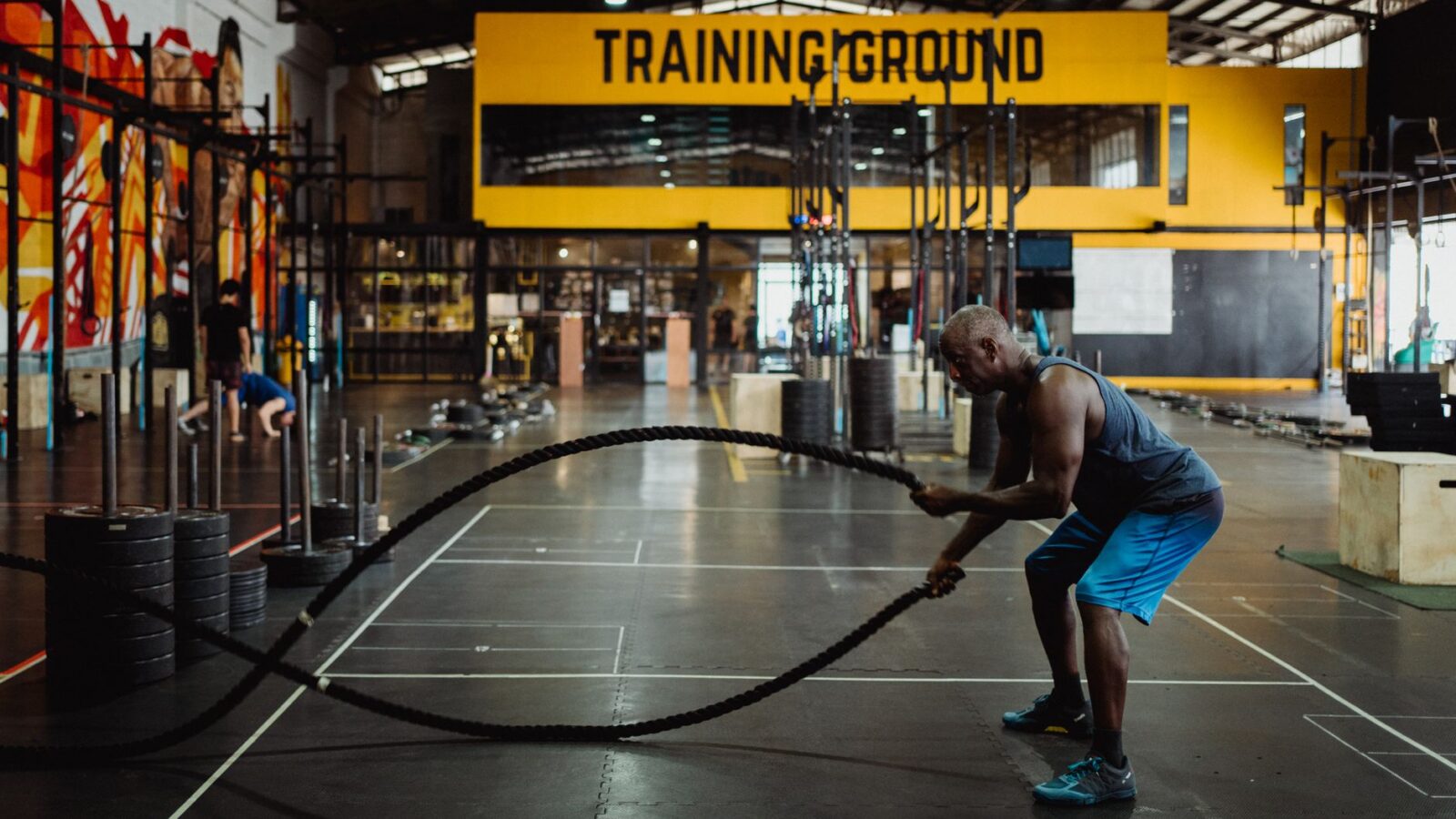
Hey there, fellow muscle‑builder, welcome to a guide on budget progressive overload. If you’re new to the gym or just getting back into a routine, you’ve probably heard the term progressive overload tossed around a lot. It’s the single most reliable engine that turns effort into hypertrophy and strength. But what if you’re on a tight budget and wondering whether you can keep pushing your limits without buying the latest smart equipment? The good news is: you can.
In this post we’ll break down what progressive overload really means, why it matters for anyone looking to grow muscle, and how you can keep the gains coming without blowing your wallet. Think of this as a friendly chat over a protein shake, where we walk through the science, the practical steps, and the common missteps that can stall your progress. By applying budget progressive overload strategies, you can continuously challenge your muscles while keeping expenses low.
Ready to keep the muscle clock ticking? Let’s dive in.

1. The Science of Budget Progressive Overload
At its core, progressive overload is the principle that your muscles adapt to the demands you place on them. When you lift a weight that’s heavy enough to challenge your fibers, your body responds by repairing and strengthening those fibers. To keep the cycle going, you have to gradually increase the stimulus.
Muscle growth is essentially a response to micro‑tears in the muscle tissue. The body repairs those tears with new protein strands, making the muscle thicker and stronger. If the stimulus stays the same, the muscle will plateau because it has already adapted. That’s why you can’t just keep doing the same set of 10 reps at the same weight forever and expect to get bigger.
There are three primary ways to increase the stimulus:
- Load – add more weight.
- Volume – increase the number of sets or reps.
- Intensity – alter tempo, rest periods, or exercise selection to make the same load feel harder.
Most beginners start with small increments in load, because it’s the most straightforward. But as you get more experienced, volume and intensity become powerful tools to keep pushing the muscle in new directions.
2. Budget Progressive Overload: Cost‑Effective Ways to Keep the Load Rising
Now that we’ve got the theory down, let’s look at how you can apply it without a fancy gym membership. The good thing about progressive overload is that it doesn’t require expensive gear; it requires a strategy.
Use what you have. A pair of adjustable dumbbells or even a backpack filled with books can serve as a starting point. If you’re in a gym that offers free weights, focus on those. They’re the most versatile and cost effective.
Add weight gradually. On a budget, you can buy a small set of plates or even use household items like water jugs. If you’re working with a barbell, consider a plate set that starts at 5 lb increments. That way you can add 2.5 lb on each side for a 5 lb increase per set.
Reps and sets are your friends. If you can’t find a heavier weight, try doing more reps or an extra set. For example, if your goal is 8–10 reps, push to 12 or add a fourth set. This is a low‑cost way to increase volume.
Tempo tricks. Slowing down the eccentric (lowering) phase or pausing at the bottom of a lift can dramatically increase intensity without adding weight. A 3‑second descent on a squat or a one‑second pause at the top of a push‑up can create the same stress on the muscle fibers.
Use resistance bands. They’re inexpensive, portable, and great for adding resistance at the end of a lift where the bar or dumbbell feels light. A simple band looped around a squat rack or a door can add 10–20 lb of tension to a barbell.
Body‑weight progressions. Think push‑ups to decline push‑ups, or from knee to full push‑ups. For squats, move from a standard squat to a pistol squat or add a jump for explosive power.
Remember, the goal is to make each set feel slightly harder than the last week. That incremental challenge is what sparks muscle growth.

3. Tracking Your Progress: The Simple Log That Pays Off
Progressive overload is only as good as the data you feed it. If you can’t see your numbers, you’ll keep repeating the same routine. A simple log can do the trick, and it’s free. Keeping a log of your budget progressive overload efforts lets you see the tiny improvements add up over weeks.
Open a notebook or a spreadsheet and note:
- Exercise – e.g., barbell squat.
- Weight – how much you lifted.
- Reps per set – keep a consistent target (e.g., 8–10).
- Sets – record each set’s performance.
- Tempo – note if you added a pause or slowed the descent.
- Rest time – keep track of rest intervals.
After each workout, review the log. Ask yourself: “Did I push a bit harder than last time?” If the answer is no, consider adding a small increment or adjusting tempo.
Free apps like Google Sheets or even a simple notes app can serve as your tracker. If you prefer something more visual,